
Bridging trade finance gaps and unlocking African business potential
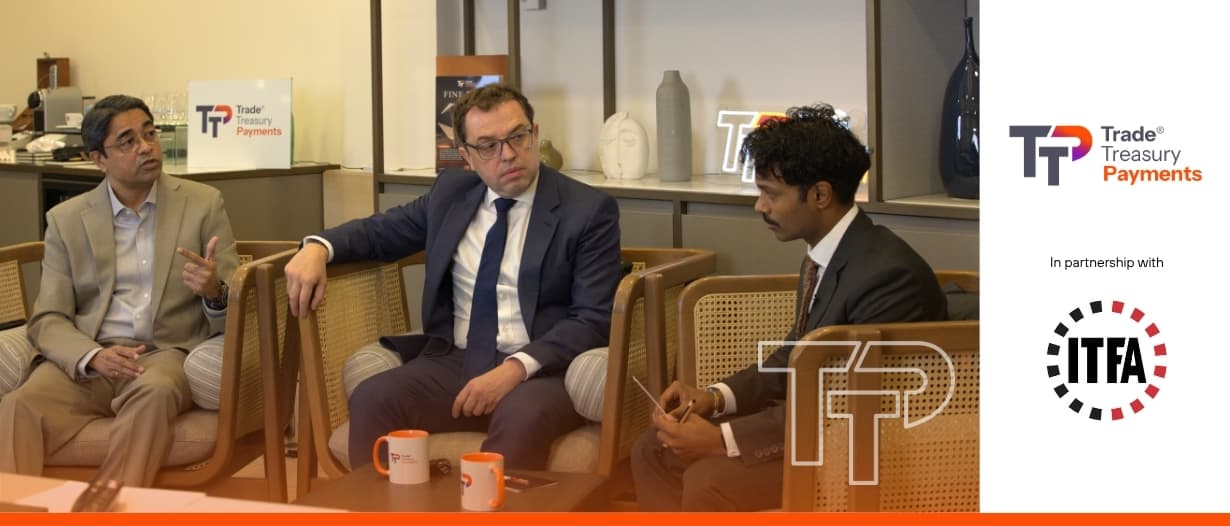
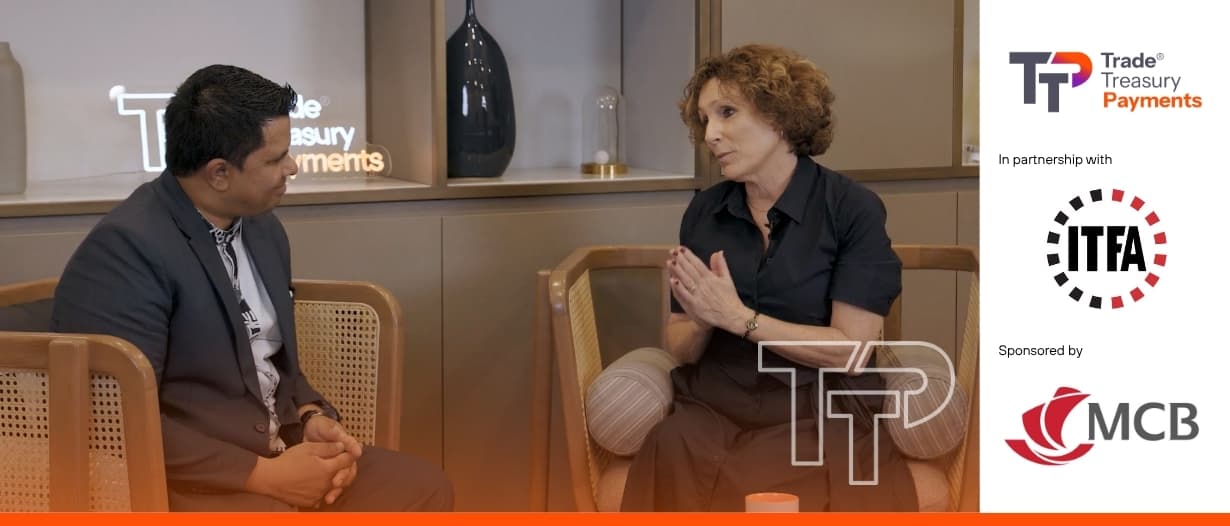
At the ITFA Americas Annual Conference in Miami, Trade Treasury Payments (TTP) spoke with Michael Kofi Fosu, CEO of International Trade Finance and Payment Consultancy (ITFP), to discuss the structural challenges African businesses face in international trade and how bridging those gaps begins with understanding the local context.
Fosu said, “There are a lot of viable businesses in Africa, but if you don’t understand how the system works, it’s difficult to participate. Many standards and policies developed outside the continent don’t translate well on the ground.”
Fosu set up ITFP to support African importers and exporters and connect grassroots businesses to international markets. That includes matchmaking with foreign investors, providing funding guidance, and helping firms understand cross-border trade. But for many, access to finance remains the core bottleneck.
Fosu said, “The biggest issue is financing. In Africa, corresponding banking relationships are extremely limited. When it comes to letters of credit, clients are often asked to deposit the full amount in cash. That defeats the purpose.”
As a result, many businesses are turning away from traditional trade finance instruments and instead opting for direct advance payments, transferring funds to suppliers up front, with little to no risk mitigation.
At the heart of the problem is trust. And technology.
Fosu said, “Technology is another major challenge. Many businesses in Africa aren’t yet digitally integrated, so they can’t easily connect with international systems. That creates friction and makes it harder to scale.”
Despite these challenges, Fosu sees momentum building. At the conference in Miami, he highlighted the potential for stronger business ties between African firms and international players, pointing to Miami’s role as a gateway city much like Dubai or Singapore.
Fosu said, “Miami opens up new opportunities. The plan now is to find businesses in Miami interested in collaborating with Africa, so we can build something mutually beneficial.”
His message to clients and the broader industry is that Africa holds promise, but preparation will be necessary to access it.
“There is opportunity,” Fosu said. “We need to package ourselves well, be attractive, and the world will become one.”
Key Topics
- Connecting African businesses to global trade opportunities
- Access to trade finance and funding challenges
- Adapting international standards to local markets
- Technology gaps affecting trade efficiency
- Building partnerships to support market entry and growth
Expert Analysis
Traditional Trade Employment was set up to respond to a clear gap between African businesses and the wider global market. With over a decade of banking experience behind it, the consultancy focuses on helping businesses navigate import and export processes while also connecting them to international partners. One of the biggest challenges is financing. In theory, tools such as letters of credit should support trade, but in practice many businesses are required to provide cash upfront. This removes the flexibility those instruments are meant to offer and places pressure on working capital. As a result, many traders prefer to pay suppliers in advance simply to avoid delays. There is also a wider structural issue. Banking systems in Africa often struggle to link effectively with global counterparts, particularly when it comes to correspondent banking relationships. Without that connection, it becomes difficult to support credit-based trade. Technology is another limiting factor. While global markets continue to evolve, many African businesses are not yet equipped to adopt the same systems, making it harder to align processes or meet expectations. Despite these challenges, the opportunity is clear. There are many viable and untapped businesses across Africa. The role of firms like Traditional Trade Employment is to act as a bridge, helping international companies enter the market with the right understanding, while also supporting local businesses to present themselves in a way that attracts global partners.— Michael Kofi
Key Findings
- Trade finance is often dependent on upfront cash rather than credit
- Advance payments are commonly used to avoid delays and uncertainty
- Many capable businesses are not yet connected to global markets
- Weak correspondent banking links restrict international trade flows
- Technology gaps continue to affect efficiency and scalability
Implications
- Businesses entering African markets will need to adapt their approach to local realities
- Trade finance solutions must become more practical and accessible
- Stronger banking relationships are needed to support cross border transactions
- Investment in technology will be key to improving competitiveness
- Intermediaries will play an important role in building trust and enabling partnerships