Investing in emerging markets: EBRD TFP's "Magic Shield" Kyrgyzstan
In the landscape of international trade, the key to success is building relationships. Emerging market banks often face something of an uphill battle in establishing the correspondent banking relationships necessary to facilitate cross-border transactions. International counterparts are wary of the perceived risk of new or unfamiliar territories, and it can be hard to get traction. Strategic partnerships can be the key to bridging this trust gap.
This is certainly the case for the Kyrgyz Investment and Credit Bank (KICB), who found a solution to these longstanding challenges in its relationship with the European Bank for Reconstruction and Development (EBRD) through its Trade Facilitation Programme (TFP).
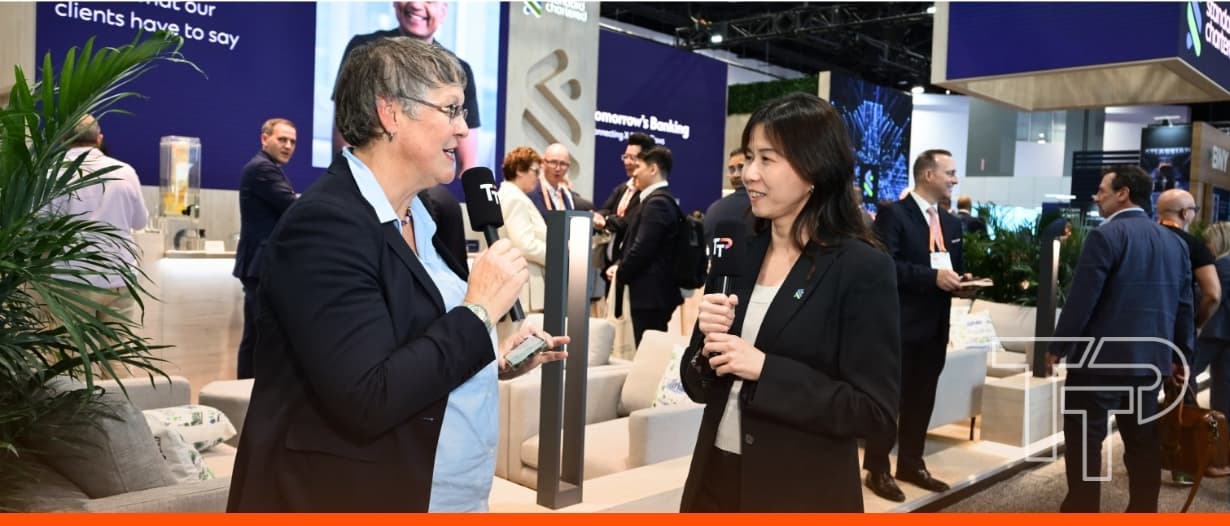
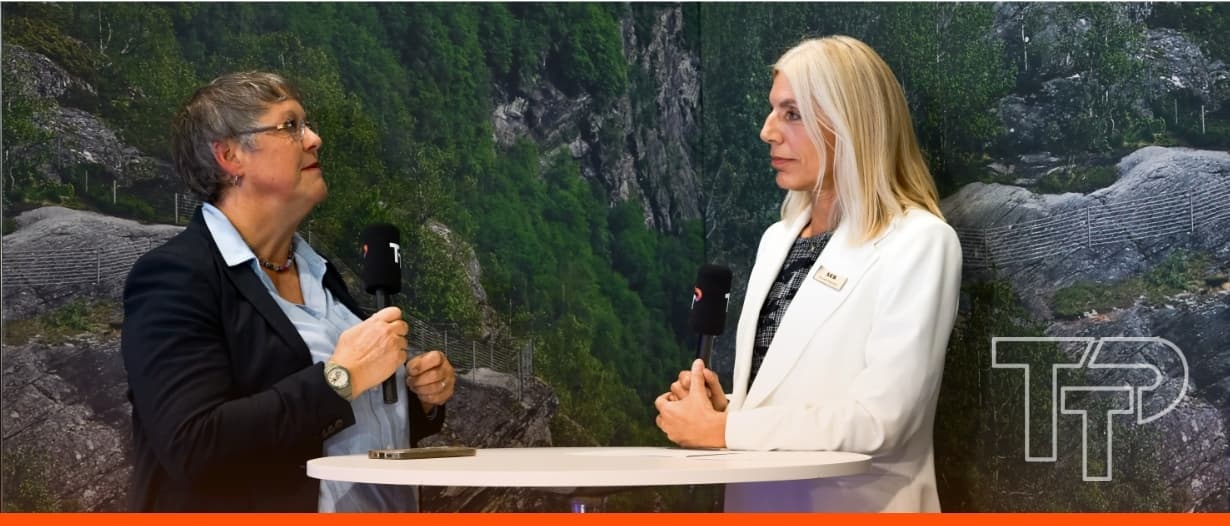
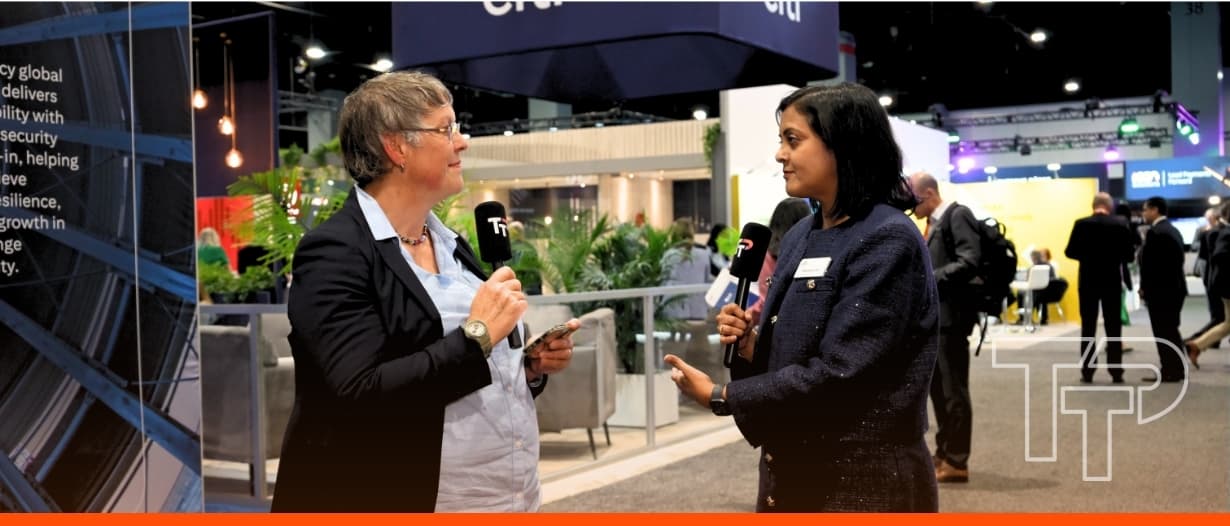
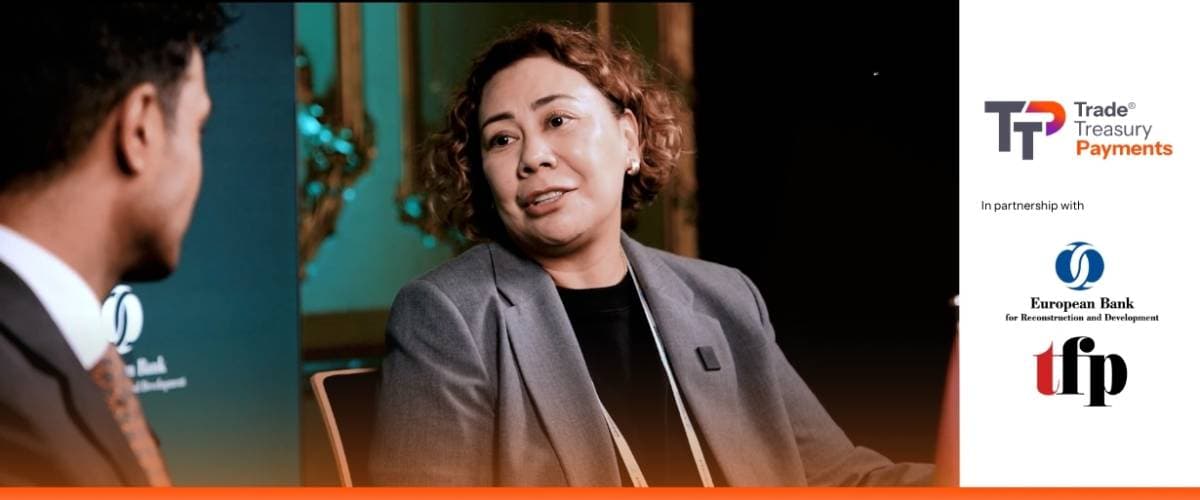
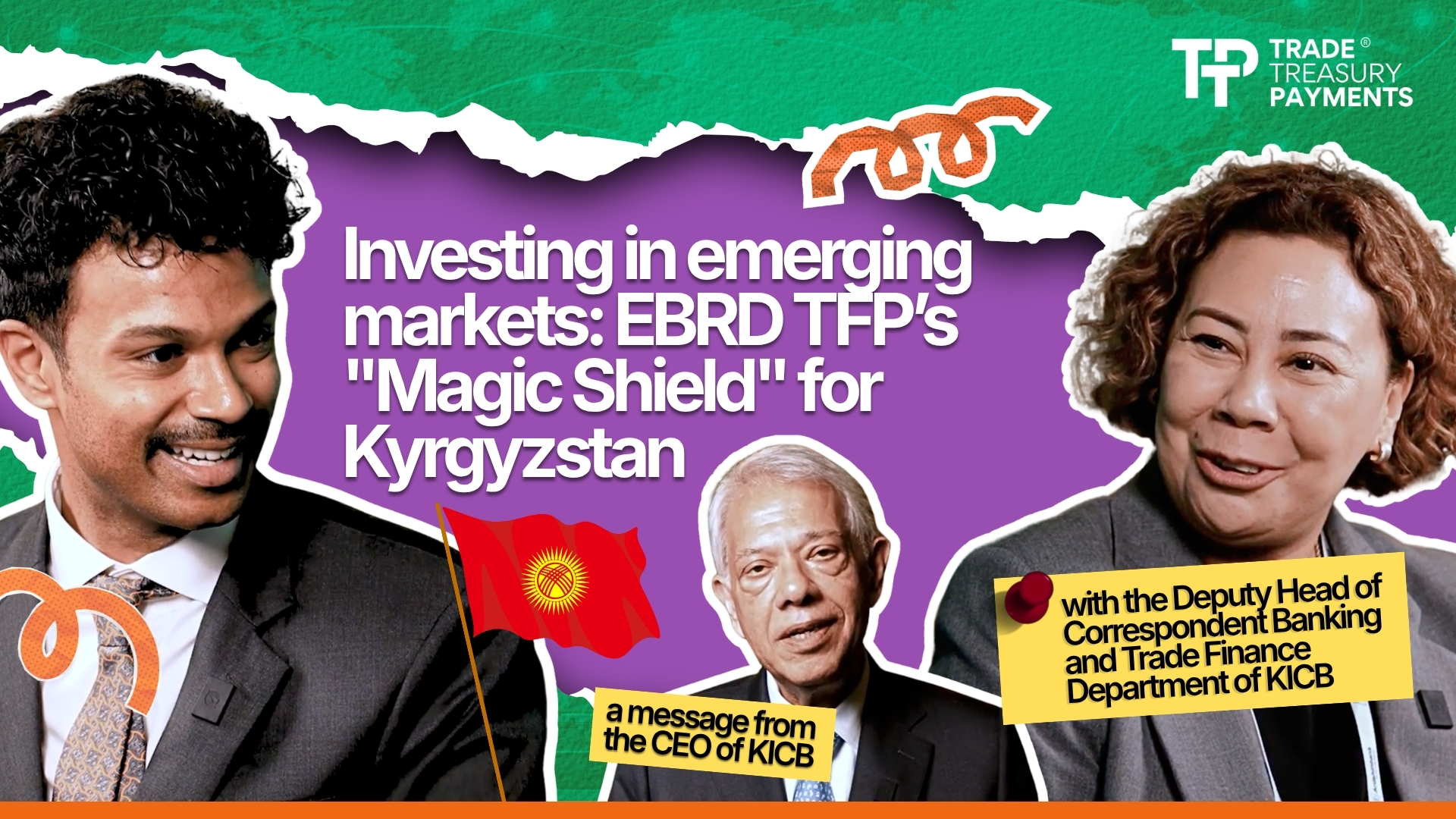
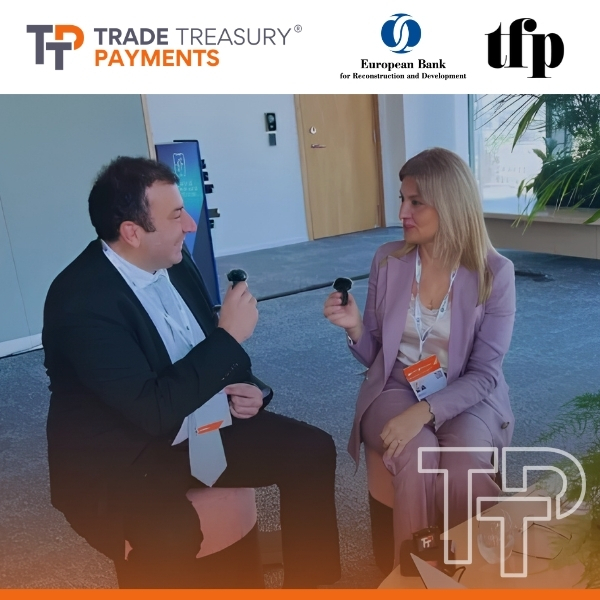
As the global trade finance community gathered in Riga for the EBRD annual meeting, there was a chance to reflect on the KICB success story and celebrate this 25-year collaboration. Deepesh Patel, Editor at Trade Treasury Payments (TTP), had the opportunity to speak with Chynara Alybaeva, Deputy Head of Correspondent Banking and Trade Finance Department, KICB, with Arif Ali, Chief Executive Officer, KICB, also offering his insight into this quarter-century milestone.
Building bridges
“In our challenging time, it’s very difficult to establish correspondent relationships,” explains Ch. Alybaeva. With de-risking becoming the prevalent trend in global banking, banks in emerging, ‘riskier’ economies can find themselves sidelined. KICB, however, has effectively bypassed such barriers by positioning its partnership with the EBRD at the forefront of its operations.
When engaging with international correspondent banks, KICB make certain to highlight its role under the TFP. “It is always our priority to announce that our partnership is a key for further development,” Ch. Alybaeva highlights. By providing a guarantee framework trusted by international banks, the ERDB essentially acts as the bridge that allows KICB to integrate into the global trade ecosystem.
Success through collaboration
The impact of this collaboration is huge, and is perhaps best illustrated through a real-world example of a high stakes transaction. Ch.Alybaeva recalls a significant project involving the Kyrgyz Ministry of Education and the procurement of schoolbooks through a World Bank-funded tender. “The project was huge,” she explains, “a lot of international companies, foreign companies, participated in this tender, and about five or six contracts were concluded between our customer and the beneficiaries located in India, Turkish Republic, Italy and China”.
The innate complexity of the deal was compounded by the structure of the financing – there was no traditional collateral, only a commitment letter from the World Bank. KICB were able to successfully negotiate direct, irrevocable documentary credit with suppliers in Turkey and China, but found that the Italian beneficiary required more robust security.
“When we came to Italy, the beneficiary told us it is not sufficient if the credit will be issued by your bank without confirmation,” Ch. Alybaeva outlines, continuing: “we applied to several banks in Italy to find out the solution”. Eventually, a partner was found, but the transaction remained complicated – the solution lay in the TFP’s ability to provide the necessary coverage. With the EBRD’s support, all limits were met, and the deal – involving approximately 10 packages of document and multiple reimbursement claims – was completed perfectly. The schoolbooks were delivered before the start of the academic year.
Playing the game and the next level for KICB
Ch. Alybaeva has an analogy she’s fond of using, likening the KICB’s approach to trade finance to gaming. “We are like a player. We are an issuing bank. We’re playing the game like a computer game,” she explains. “For completing a transaction, we must find a partner – another hero – to complete the mission.”
Taking the analogy further, the EBRD is their “magic shield” in the game, offering the protection and confidence required to reach new regions and navigate complex ‘missions’. The EBRD shield has not only been crucial in past successes, but it is now facilitating a significant evolution in KICB’s capabilities.
At the RIGA conference, KICB signed its confirming bank agreement with the EBRD, marking a pivotal transition in its strategy. “It means that our bank has sharpened its skills as a player. It’s another higher level,” Ch. Alybaeva summarises. By becoming a confirming bank, KICB is no longer solely issuing instruments, but now actively confirming deals that originate from other countries, helping more to experience the benefits of cross-border trade.
Looking forwards to the next 25 years
With Kyrgyzstan’s economy continuing to grow, so too is the demand for sophisticated trade finance solutions. With the country’s geographical positioning, surrounded by emerging economies, there is a unique opportunity for KICB to leverage its expanded status as a confirming bank under the TFP.
As it explores these opportunities, the mission for KICB remains consistent – provide services that other banks simply cannot. CEO of Kyrgyz Investment and Credit Bank, Mr. Arif Ali perhaps sums this up best as he reflects on the bank’s founding and ongoing success “What can I say about KICB? What I say to everyone who asks me is it’s the best bank in Kyrgyzstan. We do things that other banks cannot do. Our reputation is, above all our founding…the reason for our being. It is something that we are proud of and we have engagements with several banks around the world”.
He highlighted the value of the enduring relationship with EBRD – KICB’s first shareholder – with a simple declaration: “hooray, EBRD”.
Prefer to listen? The full conversation is also available as a podcast below.
Key Topics
- KICB has successfully built correspondent banking relationships through its 25-year partnership with the EBRD's Trade Facilitation Programme, positioning itself as a trusted bridge for cross-border transactions.
- The EBRD's guarantee framework acts as a trust enabler that allows emerging market banks to overcome de-risking barriers and access the global trade ecosystem.
- KICB executed a complex World Bank-funded education procurement project involving multiple countries and suppliers by leveraging EBRD support to provide confirmation and coverage where local credit alone was insufficient.
- KICB has transitioned from an issuing bank to a confirming bank under the EBRD Trade Facilitation Programme, expanding its capacity to support cross-border trade for other financial institutions.
- Emerging market banks can gain competitive advantage by positioning strategic partnerships with multilateral development banks as core to their value proposition when engaging international counterparts.
Key Insights
Expert Analysis
Chynara Alybaeva, Deputy Head of Correspondent Banking and Trade Finance at KICB, describes the bank's approach to trade finance as analogous to a video game, where KICB is the issuing bank and player, tasked with finding partner banks to complete complex transactions. She characterises the EBRD as KICB's "magic shield" – providing the protection and confidence necessary to reach new regions and navigate intricate deals. Alybaeva illustrates this through the example of a major World Bank-funded school procurement project involving suppliers in Turkey, China and Italy, where EBRD support was essential to satisfy international beneficiaries' demands for confirmation when the issuing bank's standalone credit was deemed insufficient. She further notes that the bank's recent signing of a confirming bank agreement with the EBRD marks an evolution in KICB's capabilities – "another higher level" – allowing the bank to move beyond issuing instruments for its own customers to actively confirming deals that originate from other countries.
Key Findings
- KICB has maintained a 25-year partnership with the EBRD Trade Facilitation Programme, which provides guarantee coverage and correspondent banking support that has become central to the bank's ability to compete and facilitate cross-border trade.
- De-risking practices in global banking make it difficult for emerging market banks to establish correspondent relationships, creating a structural barrier that EBRD-backed guarantee frameworks can help overcome.
- In a major World Bank-financed education procurement project, KICB required EBRD confirmation to satisfy Italian suppliers' requirements for confirmation beyond the issuing bank's own credit, illustrating limits of standalone emerging market bank credit.
- KICB signed a confirming bank agreement with the EBRD, marking its transition from an issuing bank focused on its own customers to a confirming bank that can support deals originated by other financial institutions.
- Reputation and capacity to execute transactions that competitors cannot is identified as the core competitive advantage for KICB, supported and enabled by its EBRD partnership.
Implications
- The EBRD Trade Facilitation Programme model demonstrates how multilateral development bank support can systematically reduce de-risking barriers for emerging market financial institutions seeking to participate in global trade.
- Banks in geopolitically or economically challenged regions can significantly enhance their competitive position and market access by securing partnerships with internationally trusted institutions rather than relying on their own credit profile alone.
- Complex cross-border procurement involving multiple suppliers and jurisdictions may require multiple layers of guarantee or confirmation beyond primary issuing bank credit, which emerging market banks must anticipate and structure upfront.
- As emerging market banks graduate to confirming roles, they become force multipliers in their regions, enabling smaller or newer institutions to access the trust infrastructure needed for trade finance.
- The success of KICB suggests that strategic positioning of multilateral partnerships in business development and marketing is as important as the guarantee itself in converting international correspondent relationships.
Key Takeaways
- The EBRD Trade Facilitation Programme acts as a trust multiplier, allowing emerging market banks to overcome de-risking barriers by positioning a globally respected institution as guarantor or confirmer of their credit.
- Emerging market banks should actively highlight their multilateral partnerships to international correspondents, as the guarantee framework itself is a key selling point and relationship builder.
- Complex, multi-party cross-border transactions often require layered confirmation or guarantee structures that a single emerging market bank cannot provide alone, making partnerships essential.
- KICB's graduation to confirming bank status demonstrates a maturation pathway for emerging market institutions under multilateral support, enabling them to expand their role beyond their own customer base.
- Geographic positioning and regional economic growth create opportunities for banks backed by strong multilateral relationships to scale sophisticated trade finance services across their regions.