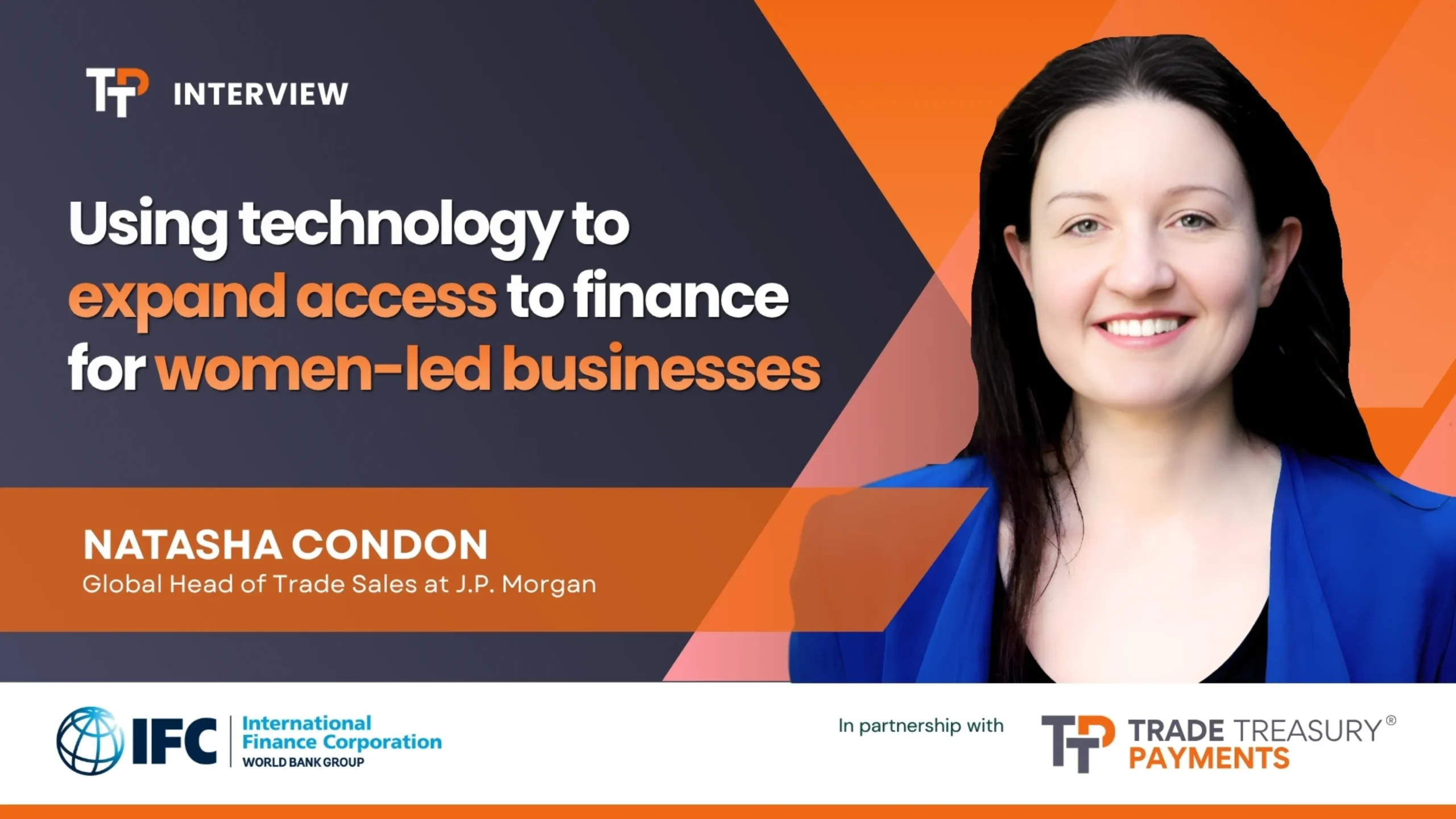

Using technology to expand access to finance for women-led businesses
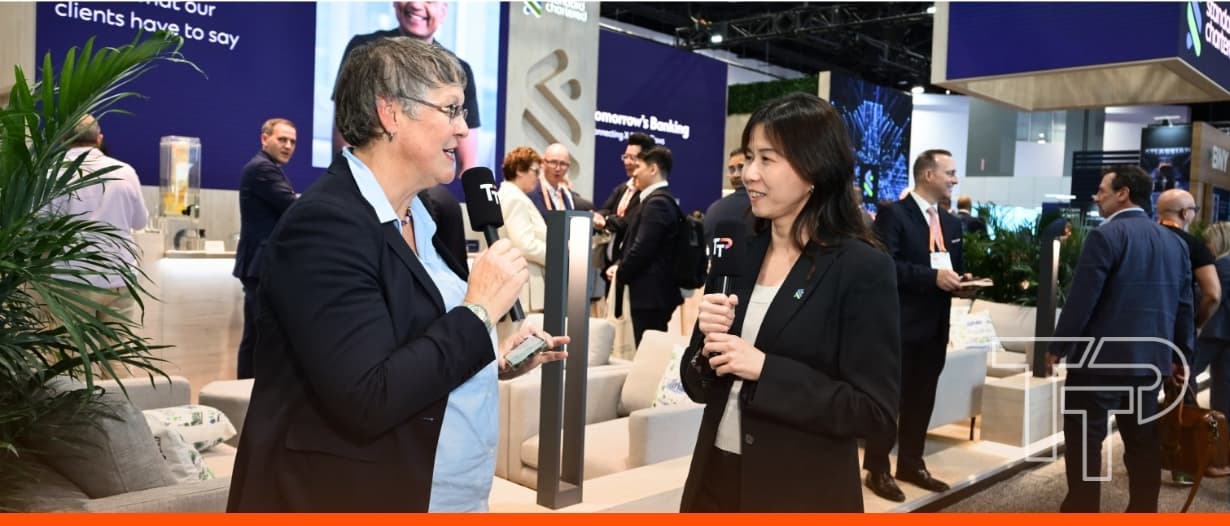
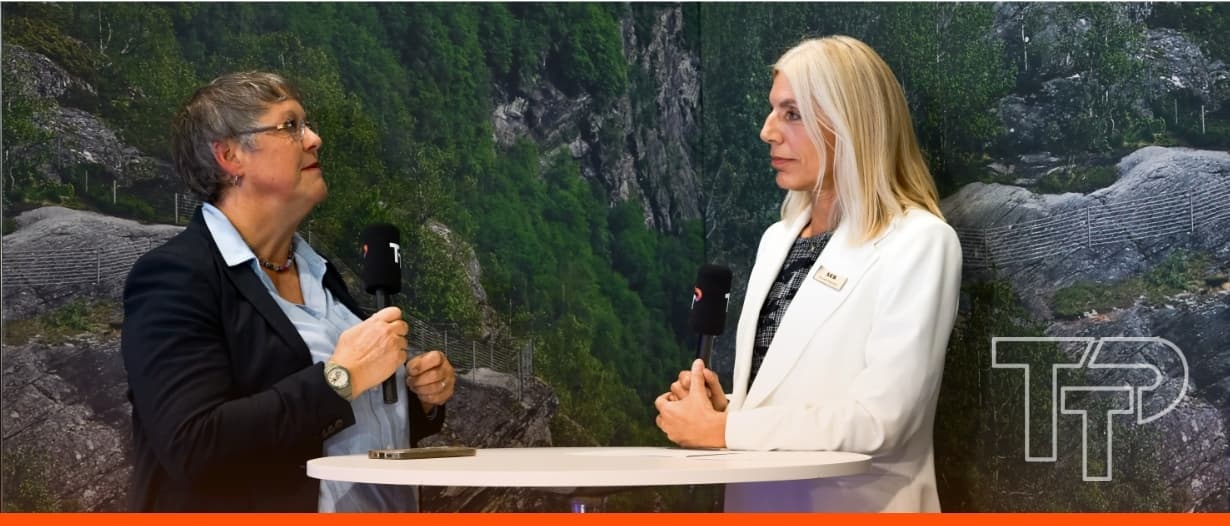
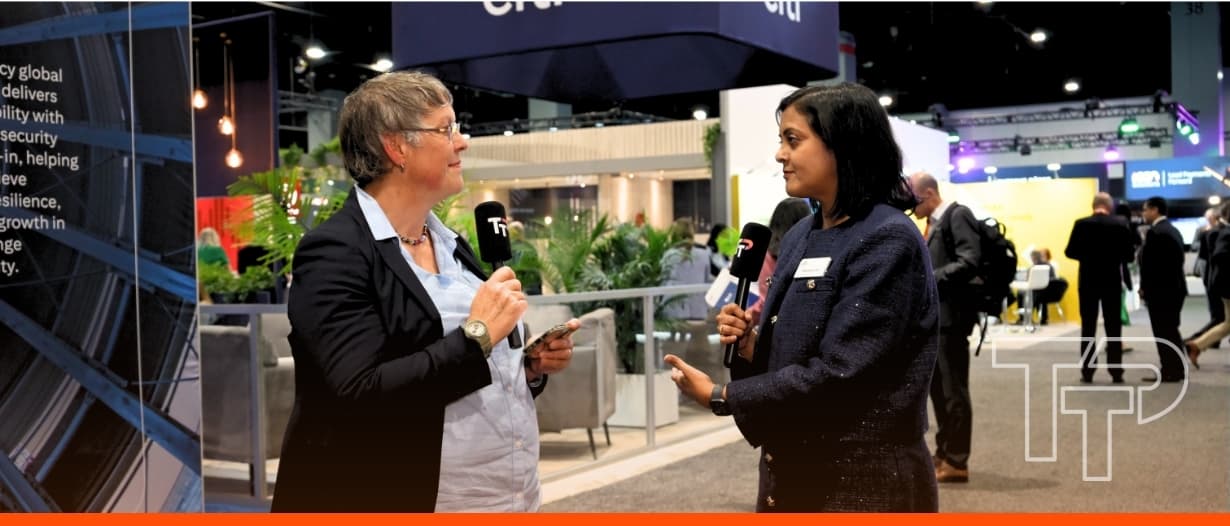
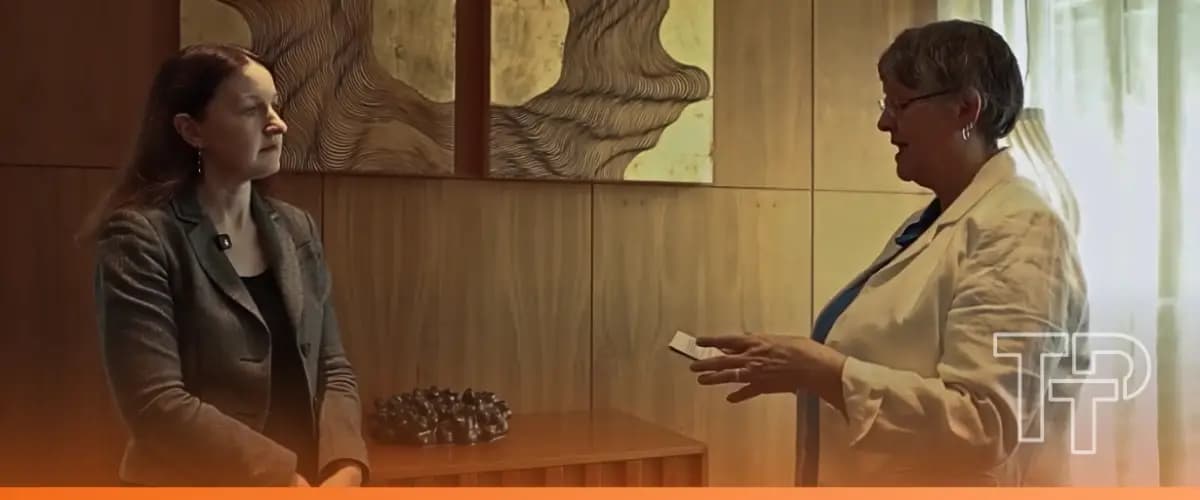
Ahead of the IFC’s Global Trade Partners Meeting in Lisbon, Trade Treasury Payments (TTP) spoke with Natasha Condon, Global Head of Trade Sales at JP Morgan, at the Women in Trade and Supply Chain Finance Network Roundtable, co-hosted by IFC and TTP.
The challenge of improving access to finance for women-led businesses is closely tied to many of the underlying structural barriers that smaller firms in general face. Condon said, “You are, in this case, often talking about relatively smaller companies who may have a bit less access to finance than the equivalent large corporation.”
A significant reason for this comes to cost and information. Regarding cost, it takes the same effort for a bank to onboard, run KYC checks, and carry out credit analysis for a small company as it does for a large one, but those large firms tend to generate more revenue. That creates an inherent imbalance, where smaller firms become less attractive from a purely economic perspective.
On the information side, smaller businesses often struggle to provide the level and quality of data that banks require to make lending decisions. This becomes particularly acute when compared to large corporates with established reporting structures and dedicated finance teams. “Fundamentally,” Condon said, “we are talking about an information problem.”
If the constraint is information, then perhaps the opportunity lies in improving how that information is gathered, shared, and analysed. “The nice thing about that,” Condon added, “is that the answer to information problems is technology.”
Large banks, she argued, are in a strong position to drive that change. With access to significant technology budgets and existing investment in artificial intelligence, institutions like JP Morgan are already working to reduce the friction that prevents smaller firms from accessing finance, and have been for some time. “We were doing AI before it was cool,” she said.
The focus now is on making it easier for businesses to provide data once and have it reused across multiple institutions. Initiatives such as the Legal Entity Identifier (LEI) system and other industry efforts aim to create standardised ways of sharing information and ultimately lowering the burden on smaller firms.
But this is not a challenge that any one organisation can solve in isolation. “If the bank industry gets together,” Condon said, “then those of us who have the power to innovate can share those learnings with the broader industry.”
This makes events like the IFC roundtable, which bring together global banks with strong technological capabilities and local institutions with deep knowledge of their markets and clients, well-suited to promoting the kind of industry collaboration that is needed to drive meaningful change. By aligning capabilities and sharing insights, banks can extend access to finance more effectively than any one institution could on its own.
Condon said, “Somewhere in the middle, we will do more business than we were doing before, and we will support those better than we were doing before.”
In that sense, success can hardly be measured by any single metric, but is seen when there are more businesses gaining access to finance, better outcomes for underserved segments, and a system that works more efficiently for both banks and their clients.
Key Topics
- Barriers faced by women owned and led small businesses
- The information challenge in onboarding and credit analysis
- The role of technology, including AI, in reducing friction
- Industry collaboration and shared data initiatives
- How large banks measure progress through improved support and increased activity
Key Insights
Expert Analysis
Condon’s remarks underscore a clear shift in trade finance: the industry is moving from manual, document heavy processes to technology enabled models that reduce friction for smaller businesses. Her emphasis on information as the core barrier aligns with broader sector trends, where AI and shared data frameworks are increasingly seen as the route to inclusion. As she notes, “the answer to information problems is technology,” a statement that captures both the challenge and the opportunity facing banks seeking to support women owned and led firms.
Key Findings
- The main barriers are cost to serve and information gaps.
- Technology, especially AI, can materially reduce these barriers.
- Shared data initiatives such as LEI can streamline onboarding.
- Collaboration between global and local banks strengthens outcomes.
- Success is defined by doing more business and providing better support to women owned suppliers.
Implications
- Lowering the cost to serve is critical
- Better data flows will unlock more lending
- Industry wide collaboration will accelerate progress
- Women owned businesses stand to benefit from simplified onboarding
- Success will be measured through increased activity and improved support
Key Takeaways
- Technology can close long standing information gaps.
- Collaboration between banks is essential for scale.
- Shared data standards reduce friction for small businesses.
- Women owned suppliers benefit most when onboarding is simplified.
- Progress is measured through increased financing and improved support.