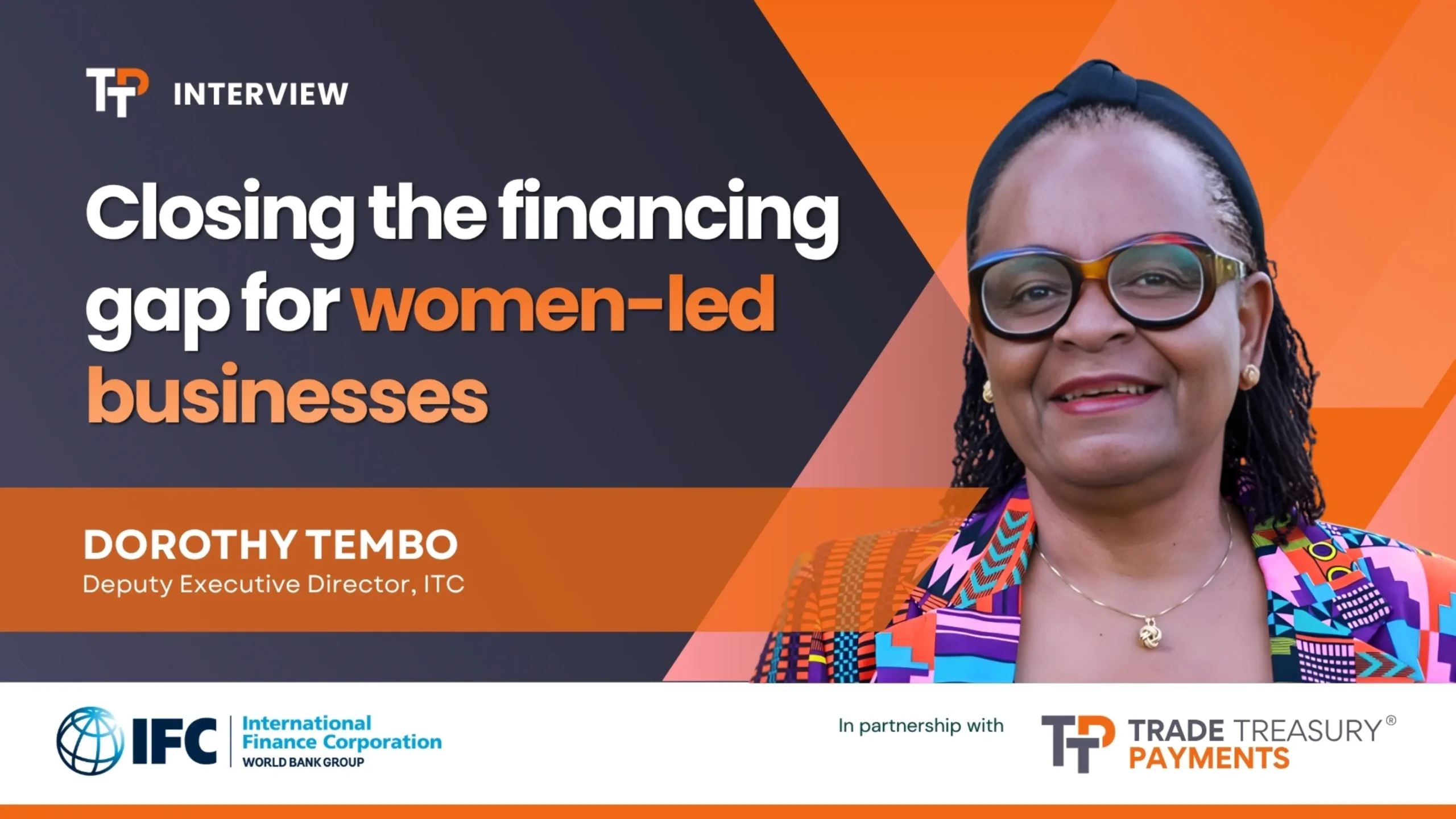
Closing the financing gap for women-led businesses
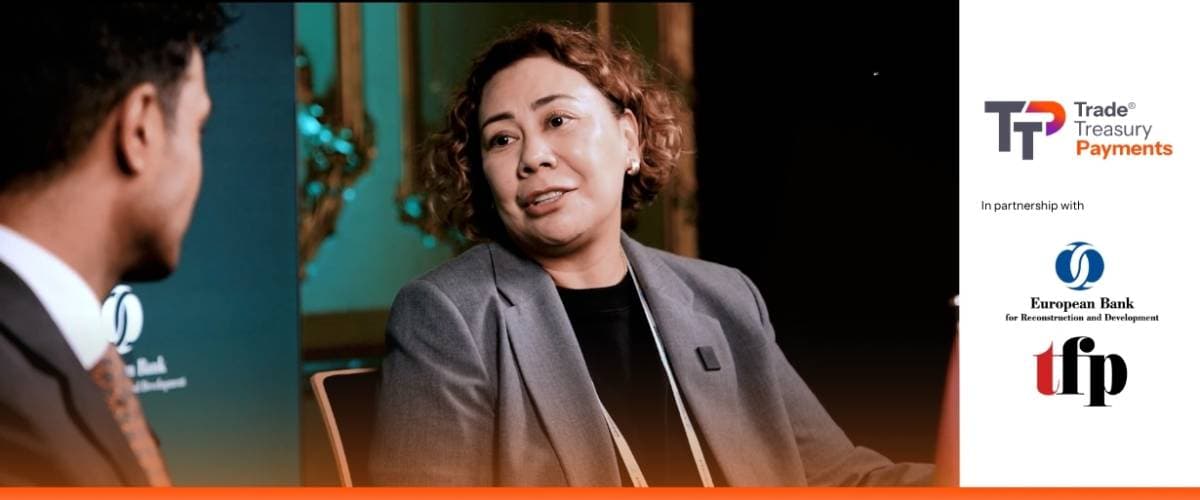
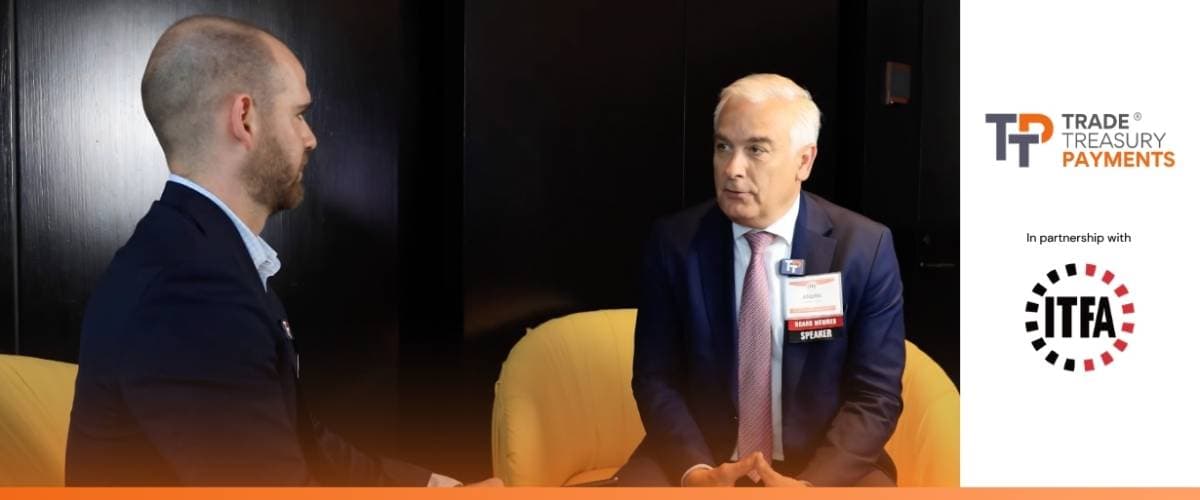
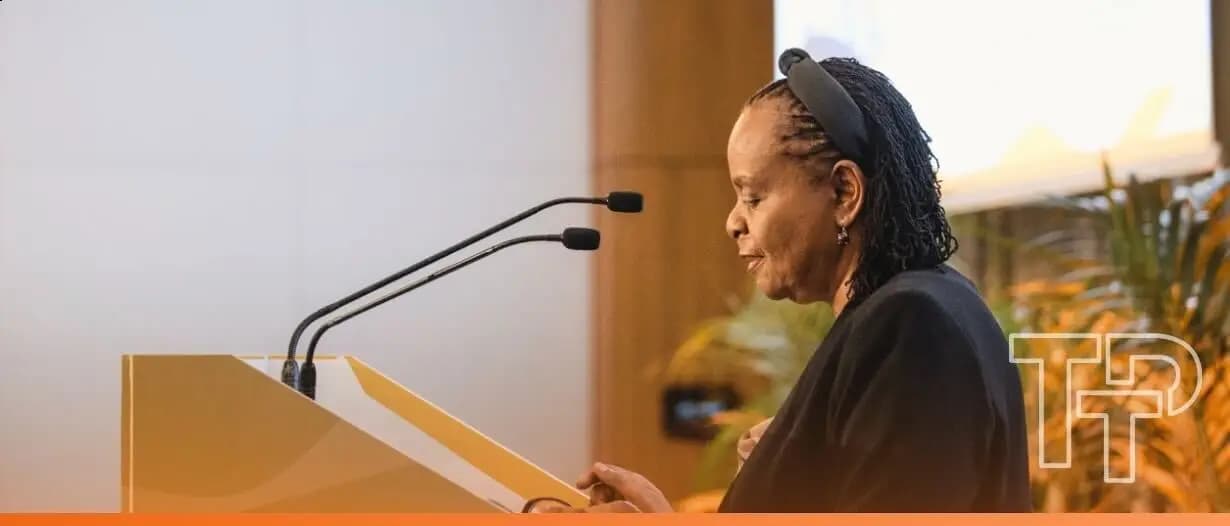
At the IFC Global Trade Partners Meeting in Lisbon, Trade Treasury Payments (TTP) spoke with Dorothy Tembo, Deputy Executive Director at the International Trade Centre (ITC), on the barriers facing women-led small and medium-sized enterprises (SMEs) and what it will take to improve access to finance.
Despite growing awareness of the issue, more progress is needed to dismantle many of the structural barriers that exist. For Tembo, the starting point is recognising the nature of women-led businesses and how they are often positioned within the financial system.
“I think there has to be an acknowledgement that women mainly have small businesses, which oftentimes are overlooked,” Tembo said. “Perhaps it’s that missing middle that we talk about most of the time.”
This gap between microfinance and larger-scale corporate lending leaves many women-led SMEs without suitable financial products, and it is time that financial institutions rethink how they assess and serve this segment.
But it’s not only access to financial products that needs to be addressed. Many businesses may technically qualify for financing, but lack the knowledge, systems, or confidence to know what to even apply for, to go through the application processes, or to otherwise show that they meet the lender’s requirements.
“We can’t talk about them having access to finance without equipping them, in real terms, to be able to access the resources that might be at their disposal,” Tembo said.
Rather than focusing on financing in isolation, Tembo suggests that institutions must bring together multiple partners to provide complementary services. “Bringing in partners, bringing in the blended financing is very much part of what we have to do,” she said.
And there are successful case studies that we can point to as a model for driving this inclusion. Two such examples are the Women Exporters in the Digital Economy (WEIDE) Fund and SheTrades Invest.
The WEIDE Fund, which was launched by the World Trade Organization (WTO) Secretariat and International Trade Centre (ITC) in February 2024, helps women entrepreneurs adapt to the new conditions of digital-first trade. This type of education work became more critical in the wake of the Covid-19 pandemic as traditional, in-person trade models were disrupted leaving many entrepreneurs unable to rely on traditional practices. As trade digitalisation continues to progress, it will remain just as important as it was a half decade ago.
At the same time, the ITC SheTrades initiative supported by an array of partners and funders from around the world, has facilitated over $40 million in financing to support trading activity by connecting women entrepreneurs with capital providers.
“When you do it right, it does happen,” Tembo said, pointing to the success of these two initiatives in particular. “So from ensuring that they are not only aware of what is available, providing the capacity building, making sure that you have the partners coming in to support that process and enabling them to have access to the financing… is really what we have to do.”
As financial institutions and development partners work to close the trade finance gap, these successful programmes teach that targeted approaches have the ability to deliver tangible results with real outcomes for real people. But that will only happen if the full ecosystem is addressed.
Key Topics
- Barriers faced by women led SMEs in accessing finance
- The need to adapt financial tools and assessments
- Capacity building as a foundation for access
- The role of partners and blended finance
- Evidence from WEIDE and SheTrades Invest
Key Insights
Expert Analysis
Dorothy Tembo’s remarks underline a consistent truth in global trade: women entrepreneurs are not short of ideas or ambition, but they are constrained by systems that were not built with them in mind. Her statement that “when you do it right, it does happen” captures the core message. Programmes like WEIDE and SheTrades Invest succeed because they combine adapted tools, credible partners and targeted finance. The lesson for financial institutions is straightforward: meaningful inclusion requires intentional design, not generic solutions.
Key Findings
- Women respond strongly when financing tools are accessible and relevant.
- Digital focused support, as seen in WEIDE, helps women adapt business models in changing environments.
- SheTrades Invest has already facilitated more than eleven million dollars in funding for women led businesses.
- Post COVID shifts revealed new ways for women to trade when traditional channels were disrupted.
- A functioning ecosystem of awareness, capacity building, partnerships and finance is required for sustained impact.
Implications
- Financial institutions must rethink assessment models to avoid excluding viable women led SMEs.
- Capacity building should be embedded into financing programmes from the outset.
- Multi stakeholder collaboration is needed to reach women in diverse markets.
- Blended finance can help bridge gaps where traditional instruments fall short.
- Targeted funds can accelerate women’s participation in digital and cross border trade.
Key Takeaways
- Women led SMEs need financing tools that reflect their business realities.
- Capacity building is a prerequisite for effective access to finance.
- Partnerships and blended finance are essential to scale support.
- Targeted initiatives prove that women entrepreneurs can thrive when barriers are removed.
- A coordinated ecosystem approach is needed to close the finance gap.