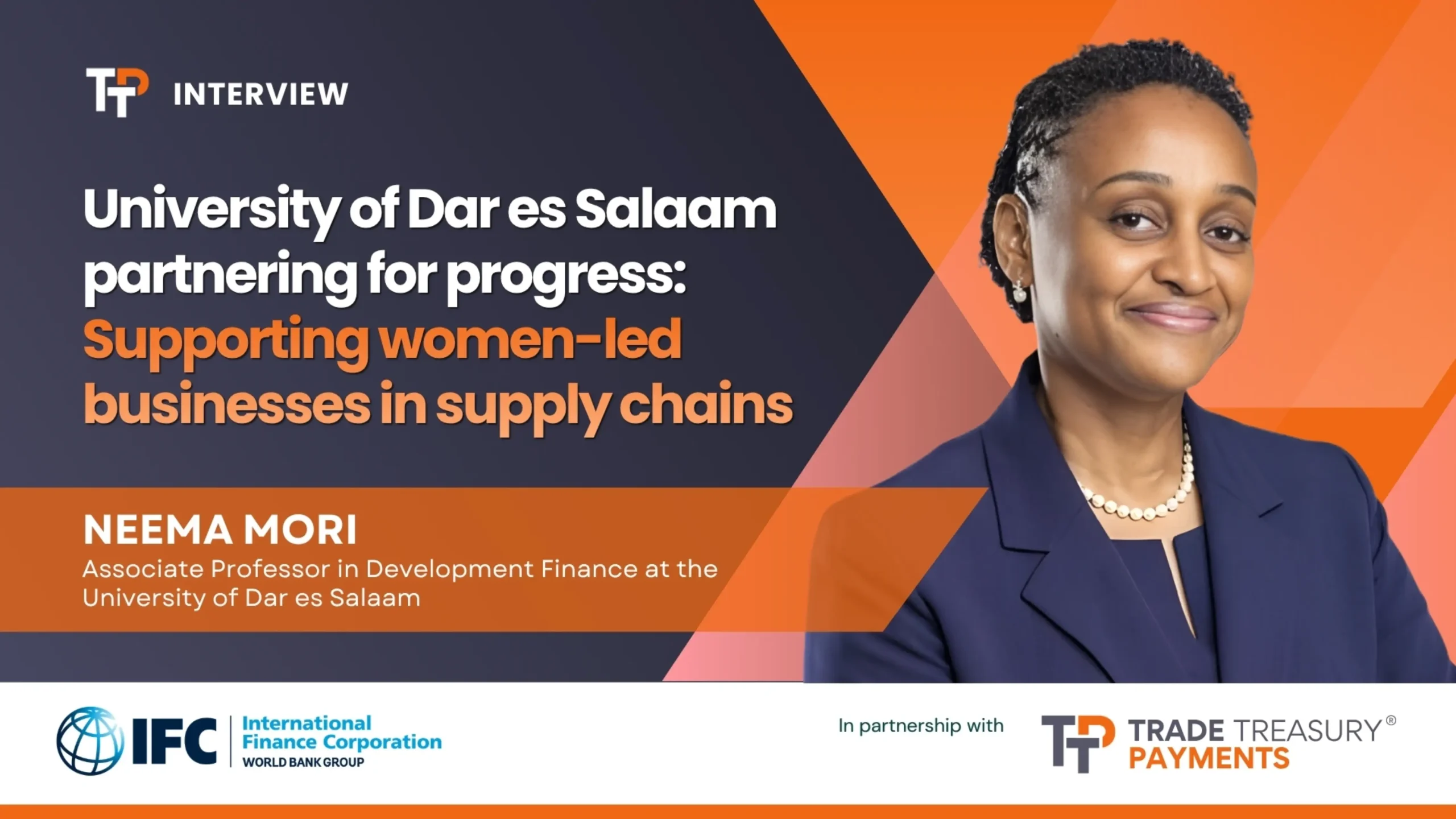
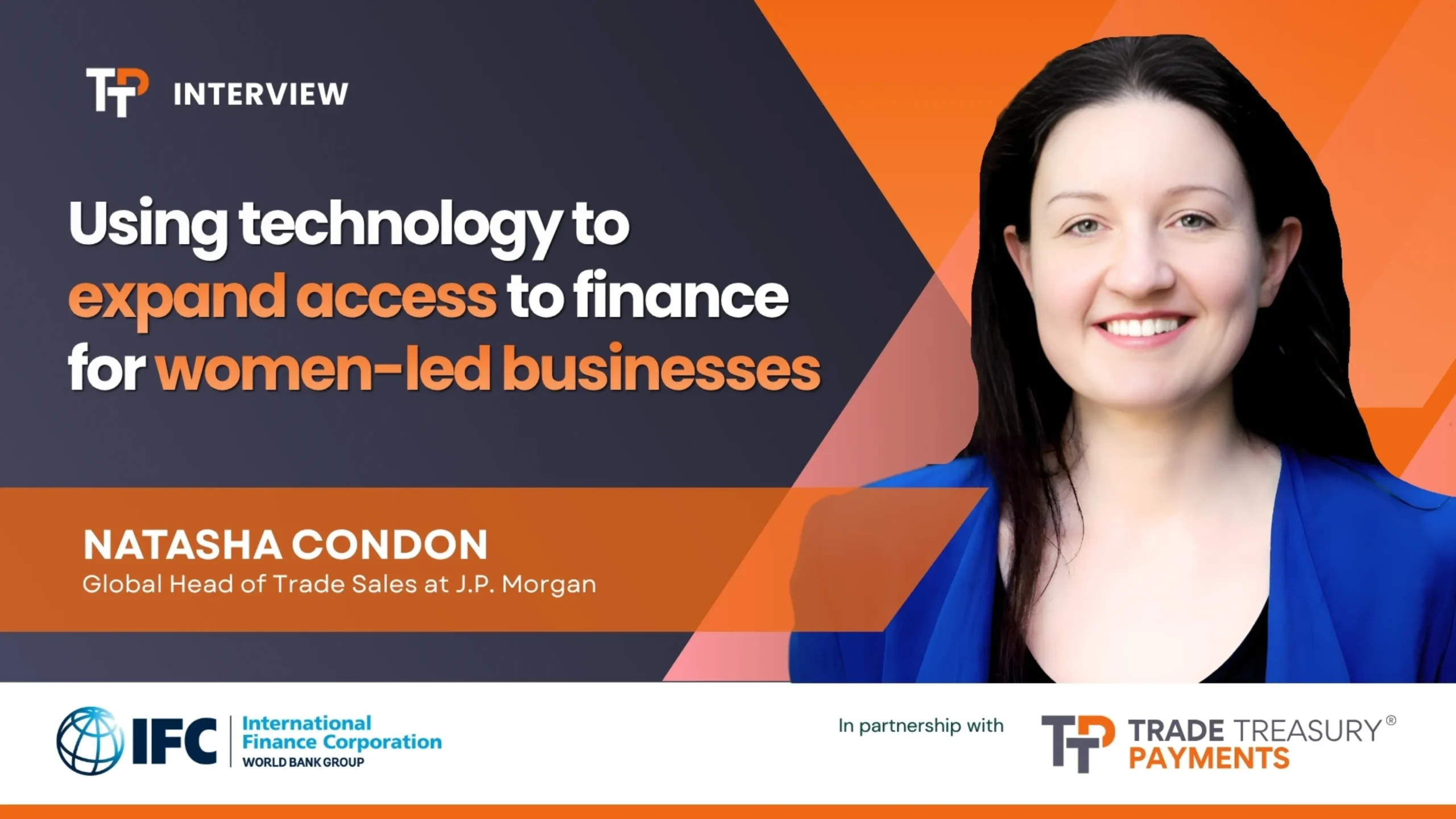

University of Dar es Salaam partnering for progress: Supporting women-led businesses in supply chains
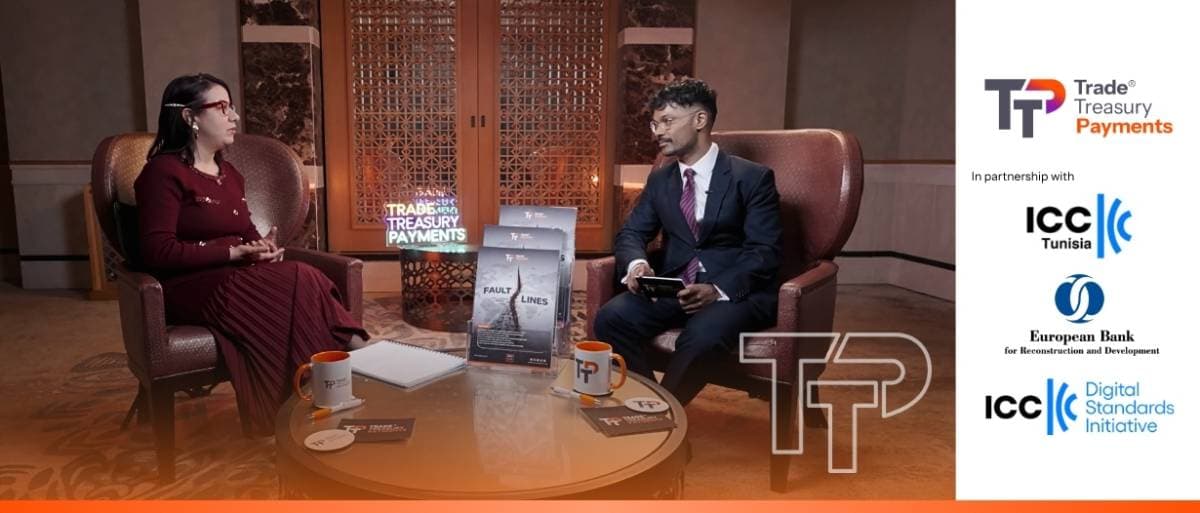
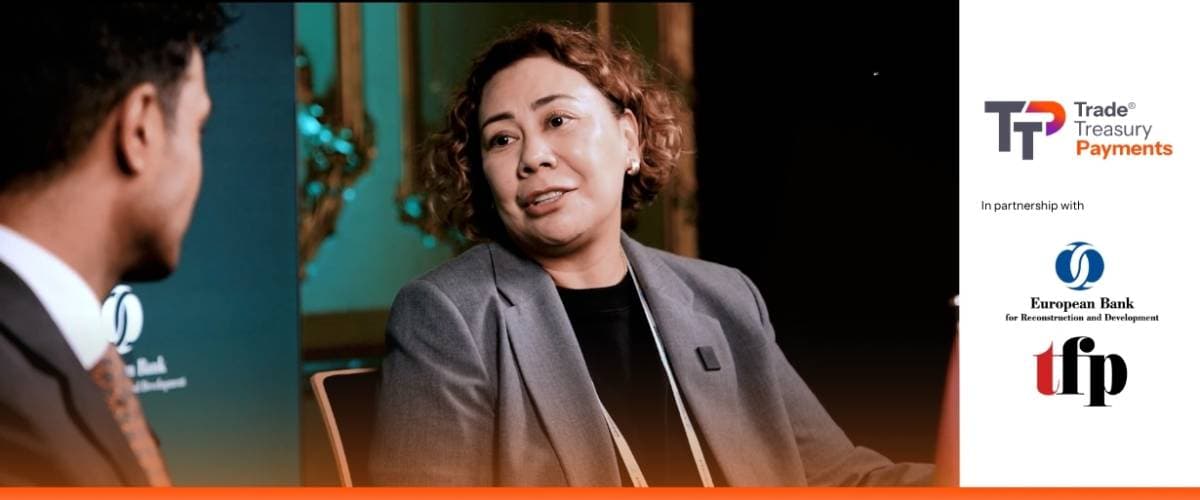
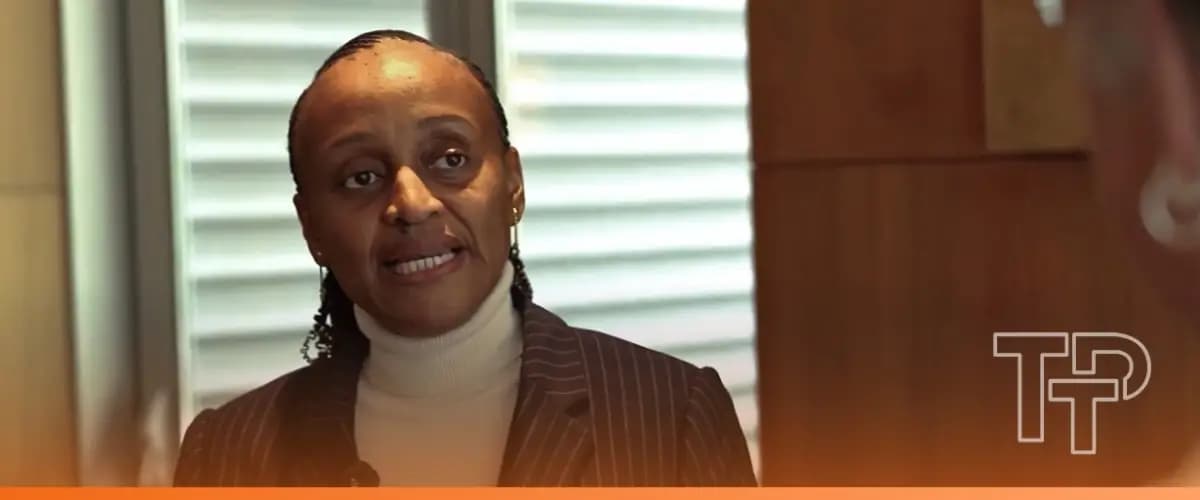
At the IFC Global Trade Partners Meeting in Lisbon, Joy Macknight, Transaction Banking and Payments Editor at Trade Treasury Payments (TTP), spoke with Neema Mori, Associate Professor at the University of Dar es Salaam, about the changing landscape of global supply chains and what it means for women-led businesses.
Mori shared that women-owned businesses are becoming the driving force behind many regional economies. “In the areas where we work, like Tanzania, Burundi, and DR Congo, more than half of the businesses are run by women,” she explained. These women lead companies can be found across all sectors of the economy from mining to tourism to manufacturing.
There are a few key shifts shaping the market today. The first is regionalisation, moving away from relying on a few big markets to focusing on suppliers within the region. Another is technology, which allows women-owned businesses to reach customers far beyond their immediate location. A third is sustainability, with buyers looking for suppliers who care about the environment and treat people well. Lastly, buyers are now focusing on the overall quality and reliability of suppliers rather than just price.
Adapting to these shifts is often best done through the power of partnerships. “We work closely with organisations like IFC and banks such as JP Morgan to support women suppliers,” Mori said, “especially around cash management.”
But financial institutions alone cannot address the full set of barriers. Access to finance is often intertwined with how businesses receive payments, manage cash, and connect to customers, particularly in markets where digital and mobile infrastructure plays a central role.
“We aim to strengthen partnerships with mobile network operators, commonly known as MNOs, and technology providers, recognising that technology is a key driver of progress,” Mori said. “This is especially important in the three countries where we operate. We already collaborate extensively with MNOs in our transactions and partnerships. Additionally, through our corporate social investment initiative, the CRDB Bank Foundation, we work closely with numerous international development partners to expand our reach to women-owned suppliers. Finally, we see great value in partnering directly with women’s groups themselves to connect with and support more women entrepreneurs.”
By building these partnerships, the hope is that more women-owned businesses will be able to thrive and play a bigger role in growing their economies.
Key Topics
- Cash Management
- Development Finance
- Payments
- Supply Chain Finance
- Trade Finance
Key Insights
Expert Analysis
Neema Mori’s comments reflect a clear shift in the structure of regional supply chains, where women led businesses are no longer peripheral but central to economic activity. Their scale, combined with the influence of regionalisation and digital infrastructure, positions them as key contributors to future growth. As she noted, “more than half of the businesses are run by women,” underscoring the importance of targeted partnerships to support their continued expansion.
Key Findings
- Women owned businesses form the majority of enterprises in the three markets discussed.
- Regionalisation, technology, sustainability and buyer expectations are the main shifts influencing supply chains.
- Partnerships with IFC, JP Morgan and other institutions support women suppliers, particularly in cash management.
- Mobile network operators and technology providers play a central role in business operations.
- The CRDB Bank Foundation works with international development partners to reach more women owned suppliers.
Implications
- Regional supply chains will depend more heavily on women led businesses as their share of economic activity continues to grow.
- Technology will remain a key driver of market access for women suppliers.
- Sustainability expectations will shape how buyers select and retain suppliers.
- Stronger partnerships across finance, development and technology will be required to support women owned enterprises.
- Engagement with women’s groups will help extend outreach and support.
Key Takeaways
- Women led businesses are driving economic activity in several East African markets.
- Regionalisation and technology are reshaping how suppliers operate.
- Sustainability is becoming a meaningful factor in buyer decisions.
- Partnerships across finance, technology and development are essential.
- Direct engagement with women’s groups strengthens outreach and support.