

About the Video
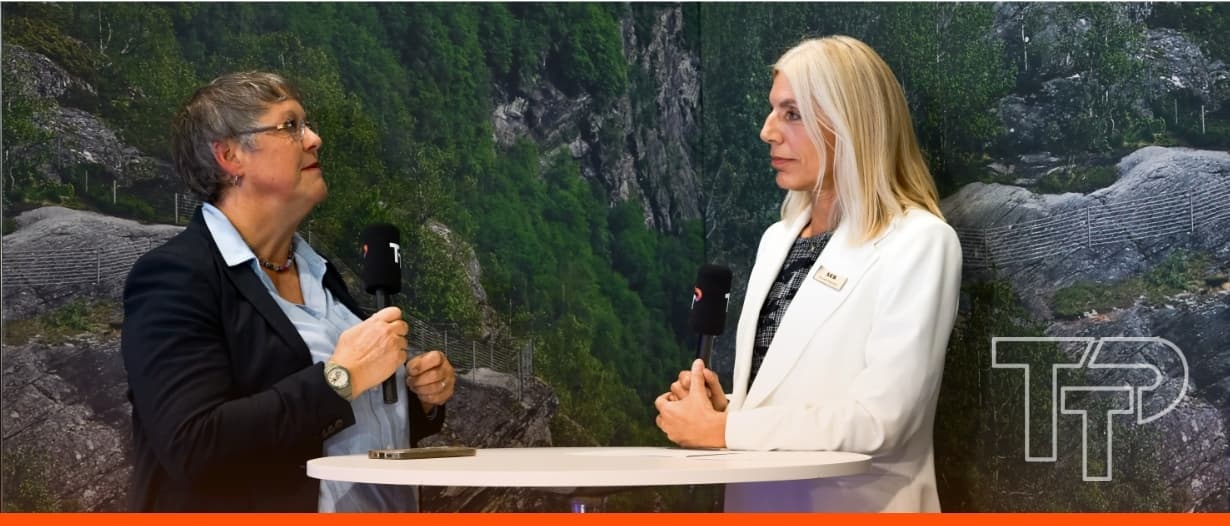
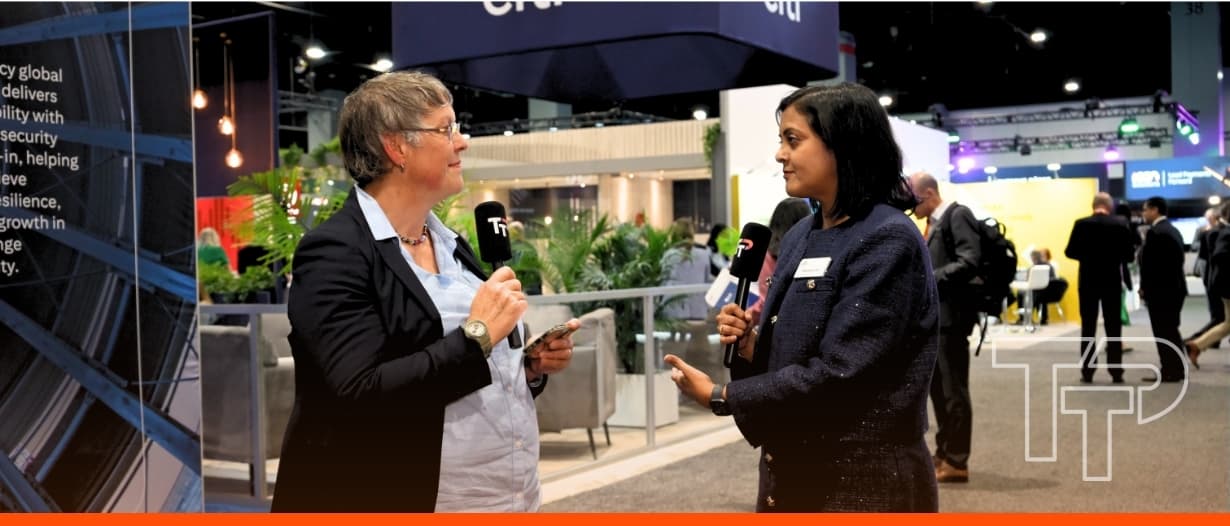
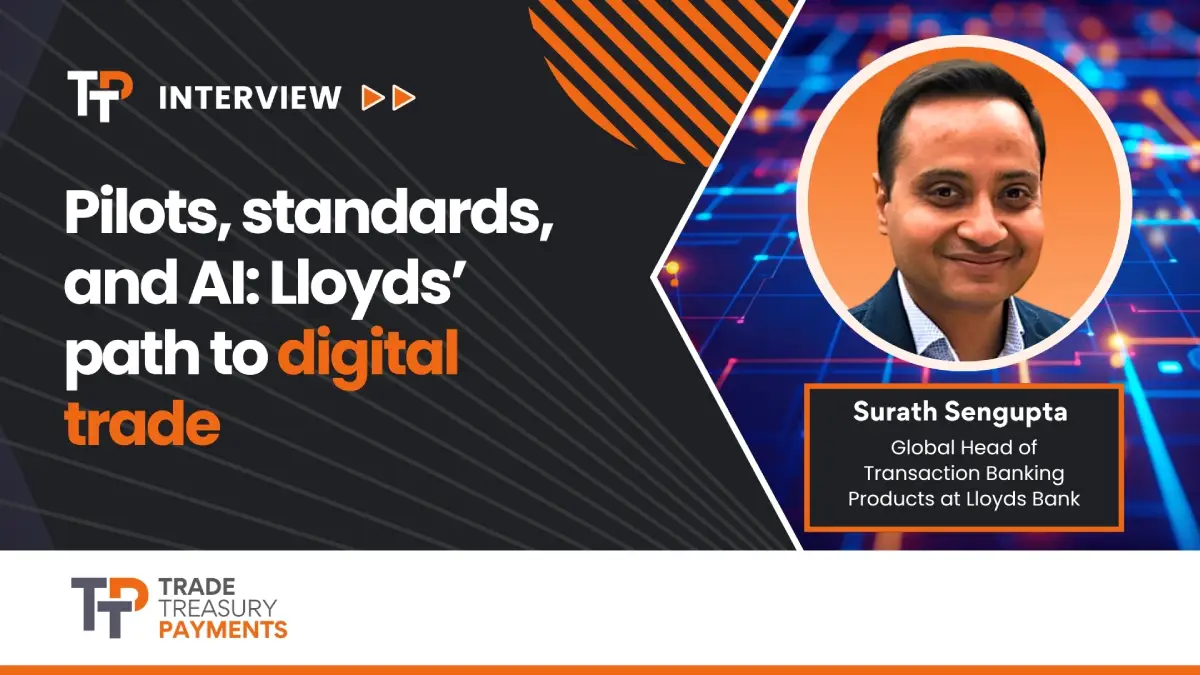
At the International Trade and Forfaiting Association’s (ITFA) 51st Annual Conference in Singapore, Trade Treasury Payments (TTP) spoke with Surath Sengupta, Global Head of Transaction Banking Products at Lloyds Bank, about pilots, digital adoption, and the role of artificial intelligence in trade finance.
Sengupta explained that Lloyds has long been an early mover in digital documentary trade, conducting transactions even before the UK’s Electronic Trade Documents Act (ETDA) came into force. He said, “We are really driving the adoption there, really driving a lot of pilots. Once ETDA came into force, we started doing pilots using ETDA, and the first thing we do is learn from them. What we found early on is that customers were so used to paper that we needed to give them a digital version that still looked like paper. You can’t just move straight to data on day one.”
From there, the bank has moved step by step, proving assumptions, adjusting where needed, and gradually shifting from digital documents towards structured data. This cautious, iterative approach has delivered results. Sengupta noted that adoption has accelerated sharply: “Whatever we did by this time in 2024, it’s already six to seven times more in 2025. The most important thing is that once customers started digital trade with us, they repeated transactions digitally. They saw the value, they stuck with it.”
Beyond pilots, Lloyds is also digitising traditionally paper-heavy instruments such as guarantees. Sengupta said that 70% of digitally eligible transactions now arrive digitally, with 35% issued digitally by the bank itself. To him, true digital means not just converting paper into electronic form, but ultimately shifting towards data-driven trade.
That progression is tied closely to global standardisation efforts. Sengupta pointed to the ICC Digital Standards Initiative and its Key Trade Data Documents and Elements (KTDDE) methodology as a key enabler. “Standardisation allows adoption to happen more uniformly across the globe, which is very important,” he said. Lloyds is working on a proof-of-concept with large partners to test the framework.
Artificial intelligence is another focus area. Sengupta described AI as “all-encompassing” across operations, sales, and product development, helping the bank better read documents, anticipate client needs, and design more intuitive solutions. But he also stressed the importance of responsible use. “Like with everything else, such a powerful technology has to be used very responsibly. As a regulated industry, the key point for us is to implement it in a way that makes both regulatory and commercial sense?”
Key Topics
- Scaling digital documentary trade adoption
- Using pilots to build interoperability and structured data exchange
- Applying the Electronic Trade Documents Act (ETDA) in practice
- Integrating artificial intelligence across transaction banking operations
- Promoting responsible innovation in a regulated industry
Key Insights
Expert Analysis
“We are pioneers in the digital documentary trade space. Through pilots we have learned that digitalisation is a journey – from replicating paper formats to exchanging structured data. Adoption is growing fast, and digital transactions shorten the time to realisation. The key is to use powerful technologies like artificial intelligence responsibly, ensuring they deliver real value for clients and comply with regulatory expectations.”— Surath Sengupta
Key Findings
- Lloyds Bank executed digital trade transactions even before the UK ETDA was enacted.
- Customer adaptation required phased steps from paper to digital to data.
- Digital trade volumes grew more than sixfold between 2024 and 2025.
- Seventy per cent of eligible transactions now come to the bank digitally.
- Lloyds Bank collaborates with industry bodies to advance data standard adoption.
- Artificial intelligence is embedded across operational, sales, and product areas, with emphasis on responsible use.
Implications
- Pilots remain essential to turning proof of concept into industry-wide adoption.
- Structured data standards such as KTD DEE will be pivotal for global interoperability.
- Incremental migration from paper to data ensures sustainable digital transformation.
- Responsible AI integration can enhance efficiency while maintaining trust and compliance.
- Collaboration through frameworks such as the ICC and ETDA will accelerate digital trade maturity globally.
Key Takeaway
- Lloyds Bank is turning pilot success into large-scale adoption of digital trade, advancing interoperability and structured data standards while embedding responsible AI across transaction banking.