








About This Video
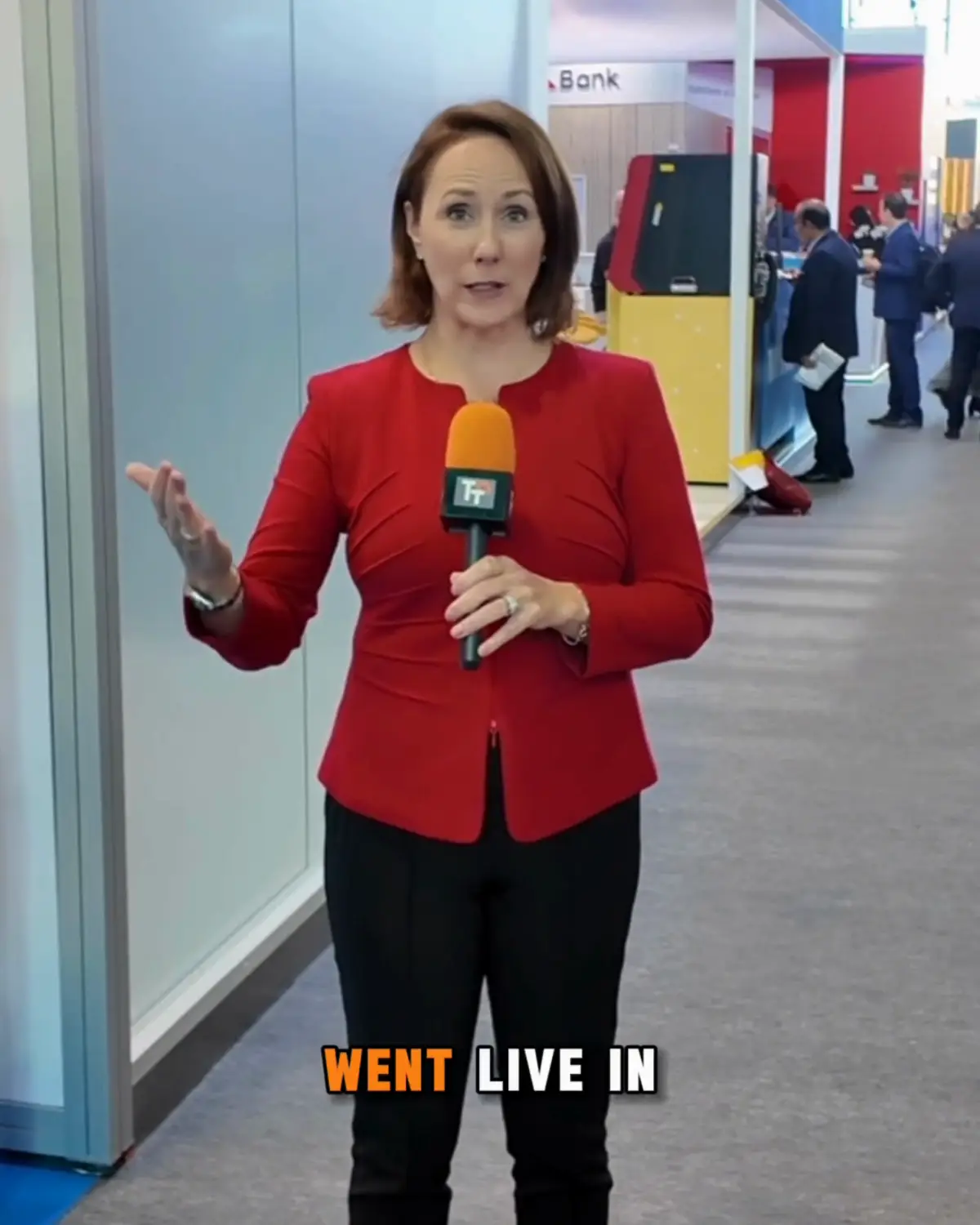
🔥 It’s hot, it’s here, it’s our first #hottopicsofsibos, with TTP’s Joy Macknight!
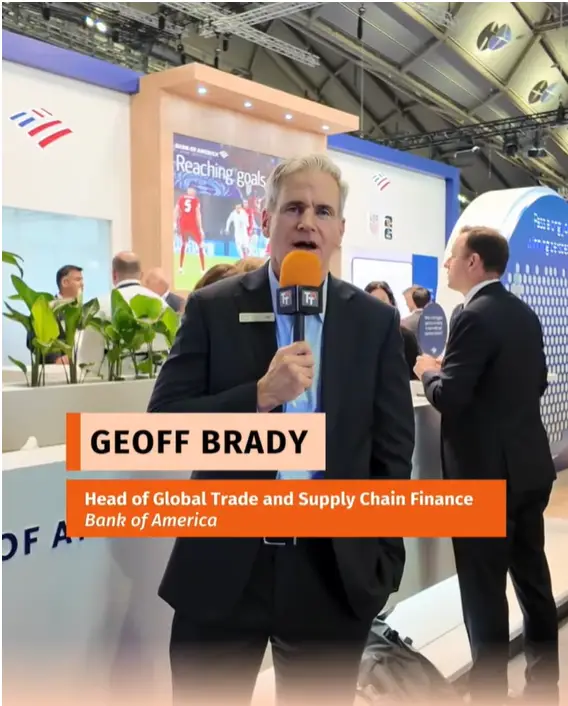
Geoff Brady, Global Head of Trade and Supply Chain Finance at Bank of America, reflected on a year marked by intense discussions around trade finance amid global tariff tensions at Sibos 2025. Trade volumes have increased, showing that trade can continue even during uncertain times, he noted.
Trade finance helps businesses manage risks during uncertain times. Brady stated that simply having new ideas isn’t enough; companies must also plan and prepare carefully. He added that the technology needed for trade finance is already available and works well.
The primary challenges lie in navigating rules, regulations and ensuring interoperability across the ecosystem.
Brady concluded that success depends on collaboration. Banks, fintechs, and clients need to collaborate and change rules to make trade finance easier for everyone around the world.
You heard it here first, from #hottopicsofsibos!
Key Topics
- Trade volumes have increased despite global tariff pressures
- Uncertainty reinforces the value of trade finance as a risk‑mitigation tool
- Technology is no longer the barrier; rules and interoperability are now the priority.
Key Insights
Expert Analysis
Geoff Brady’s perspective underscores a recurring theme in today’s trade landscape: uncertainty does not suppress trade, it reshapes it. As tariff pressures and economic shifts prompt corporates to reassess their supply chains, trade finance becomes a strategic tool rather than a transactional one. Brady emphasises that the technology required to modernise trade is already in place. The real work now lies in aligning regulations, improving interoperability and ensuring that banks, fintechs and clients operate within a cohesive ecosystem. This collaborative approach, he argues, is essential to making trade more accessible, efficient and resilient— Geoff Brady
Key Findings
- Trade continues to grow because uncertainty drives demand for risk‑mitigating instruments.
- Existing technology is sufficient to support modern trade finance; the challenge lies in harmonising rules and processes.
- Industry‑wide cooperation will determine how effectively digital solutions scale across borders.
Implications
- Banks must strengthen collaboration with fintechs and clients to ensure systems work seamlessly across the trade ecosystem.
- Regulatory alignment will be essential to making digital trade accessible globally.
- Institutions that invest in interoperability and operational efficiency will be better positioned to support clients through ongoing uncertainty.
Key Takeaways
- Trade finance is evolving not because uncertainty has eased, but because institutions are preparing more intelligently for it. With technology in place and collaboration accelerating, the industry’s next challenge is harmonising the rules that will allow global trade to operate more smoothly in the years ahead.