









Escolástico Sánchez Martínez on quantum resilience, redefining trust, and securing the future of digital finance
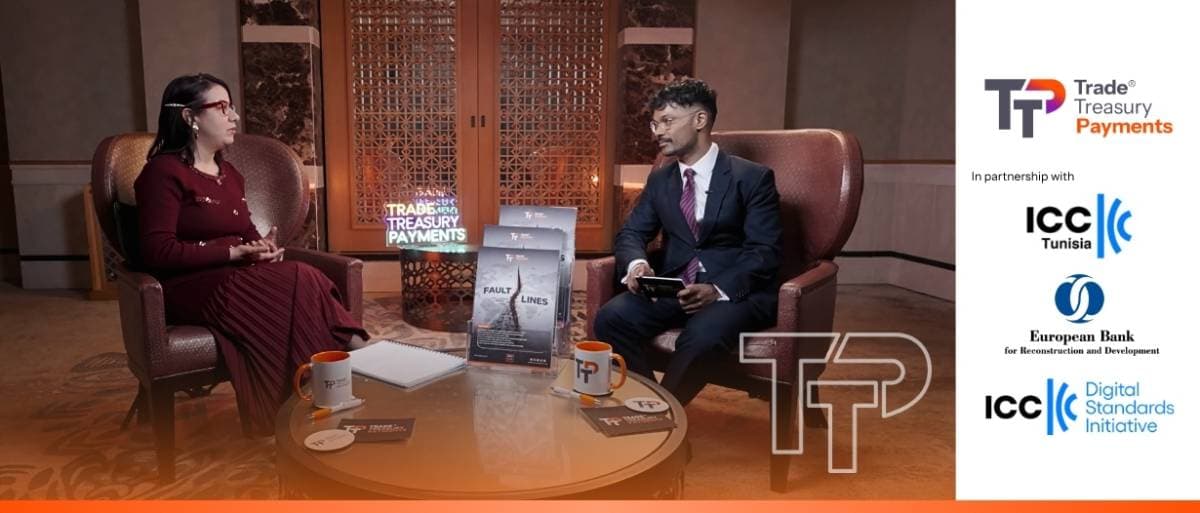
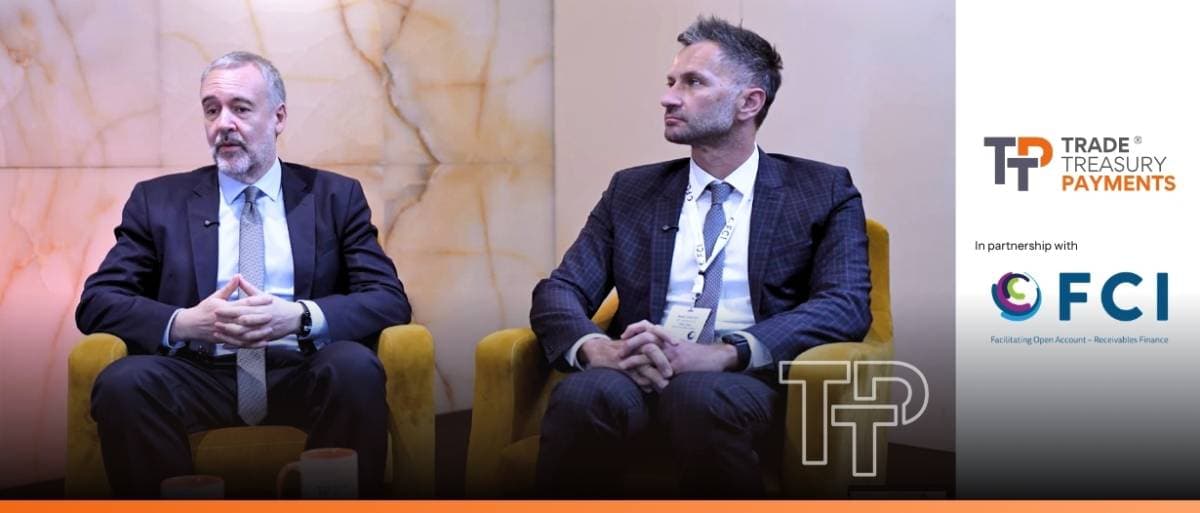
Escolástico Sánchez Martínez, Quantum Head at BBVA, discussed the urgent need for quantum-safe encryption that can withstand the power of quantum computing at Sibos 2025 in a conversation with Trade Treasury Payments (TTP)’s Joy Macknight.
Sánchez Martínez highlighted that today’s security can be outdated tomorrow, and just one weak link can put entire systems at risk. This is particularly important for digital identity, where certificates and signatures can be vulnerable.
He sees quantum technology as a way to improve business operations and pointed out the need for a two-part strategy. First, we need to strengthen our defences against quantum threats. Second, we should explore the benefits that quantum technology can offer.
The goal is to thrive by leveraging its transformative possibilities.
Trade Treasury Payments (TTP) is proud to be a media partner of Sibos Frankfurt 2025.
Key Topics
- Quantum computing will eventually break today’s cryptographic systems, making quantum safe encryption essential.
- Banks must prepare for both the risks and the opportunities of quantum technology.
- BBVA has built a structured quantum strategy focused on expertise, ecosystem collaboration, and execution.
Key Insights
Expert Analysis
Escolastico Sante’s perspective reflects a growing recognition across the financial industry that quantum computing represents a dual challenge, it threatens the foundations of current cryptographic systems while simultaneously offering powerful new tools for optimisation, modelling, and fraud detection. His emphasis on agility, talent development, and ecosystem collaboration highlights the need for a coordinated, forward‑looking approach. By establishing a dedicated quantum strategy as early as 2019, BBVA is positioning itself not only to mitigate future risks but to lead in shaping the standards and capabilities that will define secure and competitive finance in the quantum era.— Escolástico Sánchez Martínez
Key Findings
- Quantum computing poses both a structural threat and a strategic opportunity for the financial sector
- Digital identity systems are among the most vulnerable components of current infrastructure.
- Quantum safe encryption will become a baseline requirement for secure communications and data protection.
- Banks that invest early in quantum capabilities will be better positioned to innovate and compete.
Implications
- Financial institutions must begin transitioning to quantum safe methods to avoid future vulnerabilities.
- Early adopters can position themselves as leaders in security and trust.
- Building internal talent and external partnerships is essential to accelerate readiness.
- Organisations that delay preparation risk operational, reputational, and systemic exposure once quantum capabilities mature.
Key Takeaways
- Quantum safe encryption is becoming essential as quantum capabilities advance.
- Banks must prepare on both defensive and strategic fronts.
- Early investment in talent, partnerships, and pilot projects will determine who thrives in the quantum era.