


Why documentary collections still matter
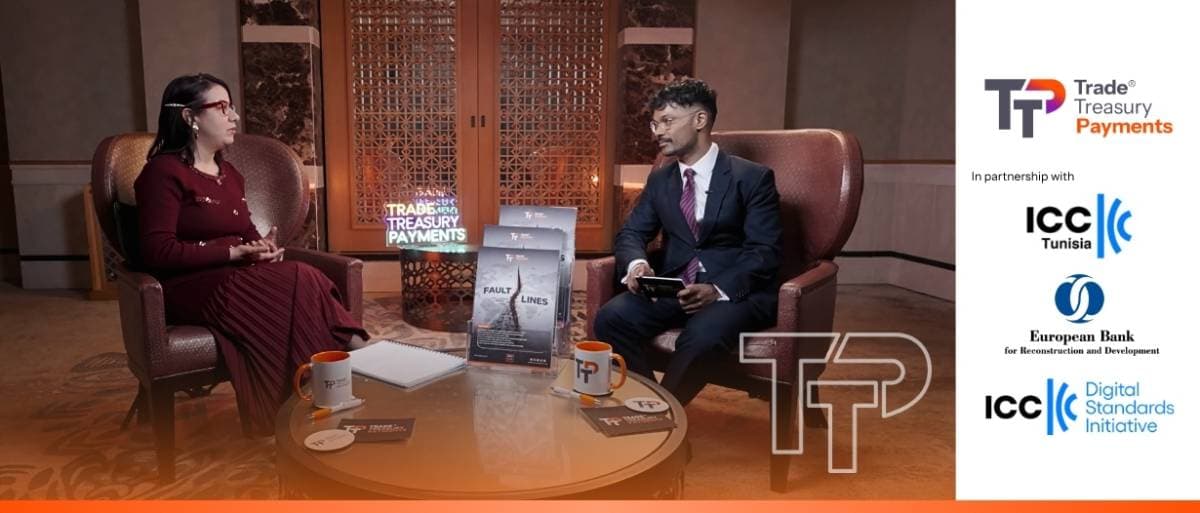
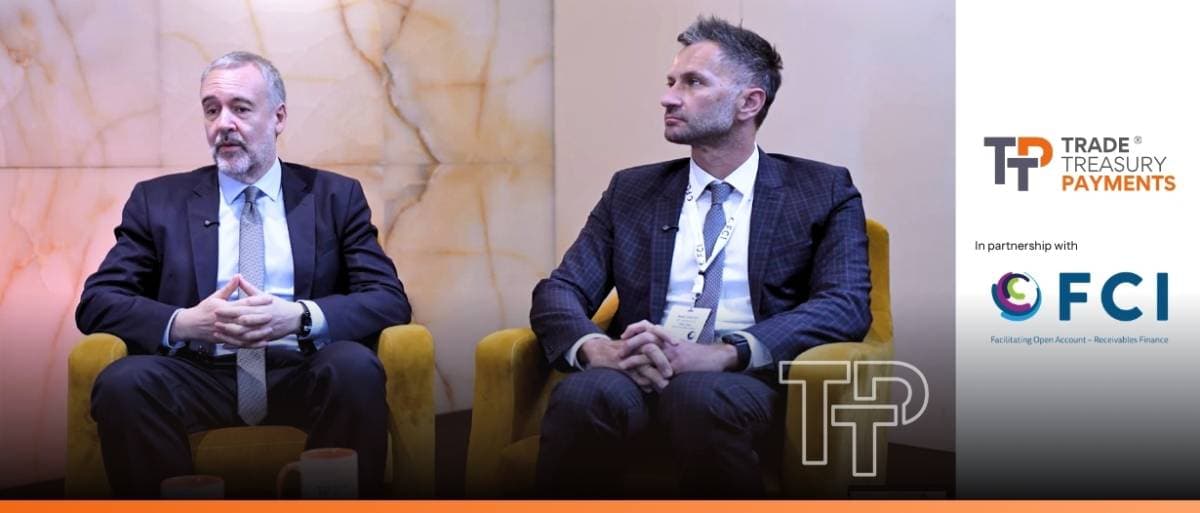
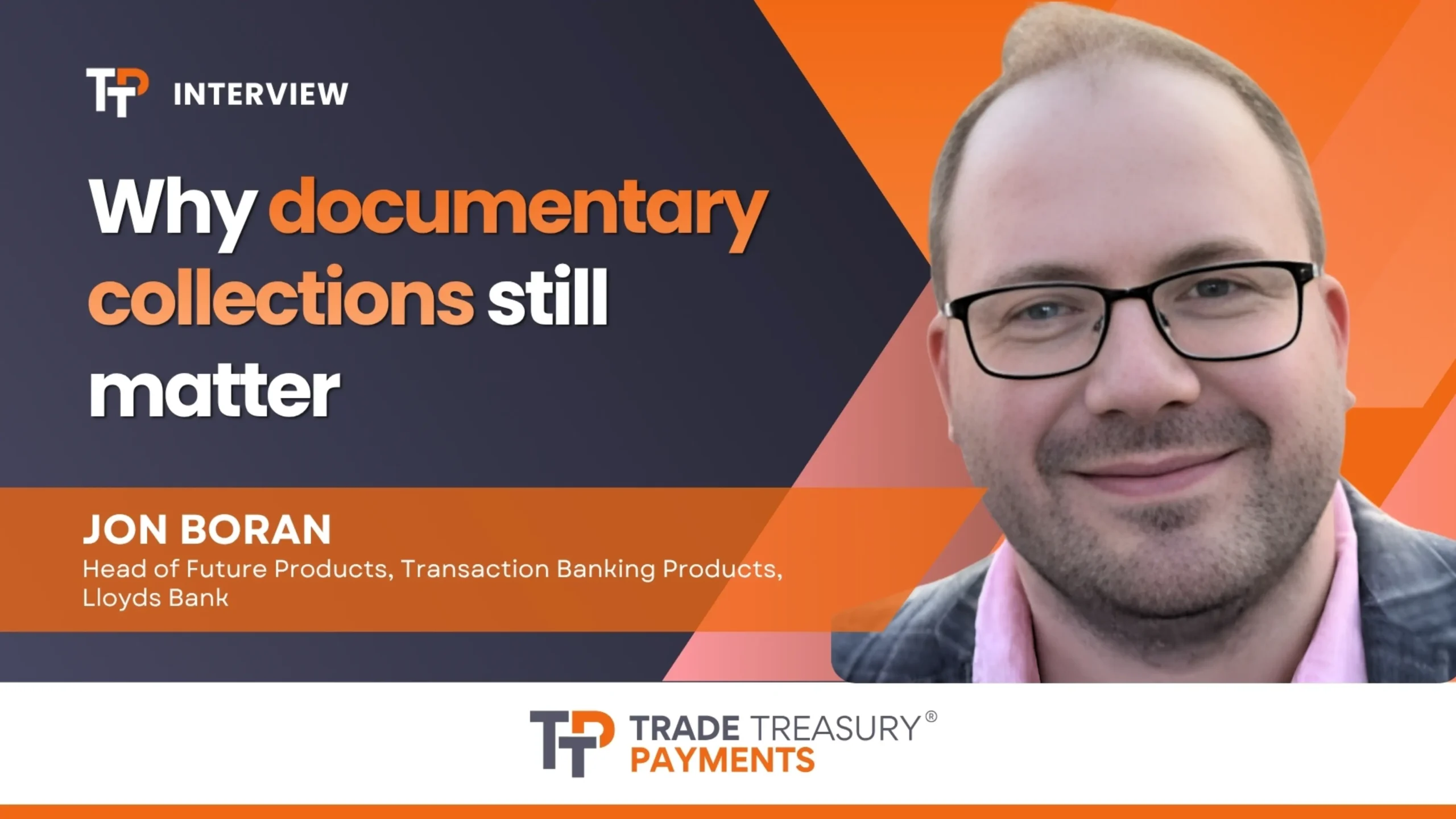
At the ICC Banking Commission Annual Meeting in Paris, Trade Treasury Payments (TTP) spoke with Jon Boran, Head of Future Products, Transaction Banking Products at Lloyds, and co-author of the ICC, BAFT, and TTP Practical Guide to Documentary Collections.
Sitting between documentary credit and open account trade, documentary collections have long occupied a middle ground in the trade finance toolbox. While often overlooked, Boran argues that their relevance is inherently tied to this positioning.
“It’s basically a bank-intermediated product,” Boran said. “It’s the exchange of documents for payment or the promise to pay by the corporate at a future date.”
That balance between risk mitigation and cost efficiency makes collections particularly useful in situations where trading partners have an established relationship, but still require some level of control over the documents and payment flows. Unlike documentary credits, however, collections do not carry a bank payment undertaking, which is a distinction that is still frequently misunderstood.
“A lot of corporates may look at collections and treat them as if they’re an LC,” Boran said. “But ultimately, it’s always the buyer… who decides whether they are willing to pay for those documents or not.”
Much of the friction in collections stems from a combination of this misunderstanding and unclear instructions. Despite the importance of precise collection instructions, as outlined by the Uniform Rules for Collections (URC 522), inconsistencies are one of the most common sources of delay and dispute.
In many cases, banks will revert to clients to clarify instructions, slowing down the transaction process. In others, where ambiguity is not addressed, the consequences can be more severe, particularly when expectations differ between counterparties.
ICC, BAFT, and TTP Practical Guide to Documentary Collections
When the ICC, BAFT, and TTP launch the Practical Guide to Documentary Collections, it will provide an update on the previous BAFT manual, covering several developments that have come up over the past decade.
Boran said, “Digitisation is a big thing… we have some really great case studies about digitalisation of collections, live transactions that are happening on a regular basis now.”
At Lloyds, efforts to digitise collections end-to-end have already delivered measurable gains, reducing transaction times and removing reliance on physical document flows.
Boran said, “In some case, wWe’ve seen transaction times come down from weeks and months down to days and in some cases hours… we’ve seen complete removal of courier of documents and associated cost savings.”
Though while digital rules such as eURC and frameworks aligned with MLETR have been introduced, transaction volumes remain relatively low. The availability of digital bills of lading and bills of exchange will be critical in driving broader adoption, since without these, digital collections remain constrained to the analogue, even as banks invest in digital infrastructure and capabilities.
A niche product with a defined role
Documentary collections are often used when other trade methods are not possible. “There are some areas where there are FX controls, where open account trade is harder,” Boran said. “And in those countries, we see a lot more collections.”
At the same time, the way collections are handled has changed. “Collections used to be seen as a kind of trade finance light product. It probably isn’t the case now,” Boran said, noting that while it is still considered light touch compared to other documentary trade products, banks must now apply a similarly increased level of controls as they do for many other trade finance products when it comes to AML and sanctions.
Even as the market develops, collections will likely stay focused and limited. Boran said, “I don’t think collections are ever going to be more than a niche product… but I think collections will still continue to thrive.”
However, as more documents become digital, collections will move away from paper and become faster and easier to process. Boran said, “I would like to see the vast majority of transactions being done digitally… hopefully paper will not be as present as it is today in documentary collections.”
It is safe to say, then, that collections are not disappearing and will continue to be used where they are needed most.
Key Topics
- The role of documentary collections as a middle‑ground trade instrument
- The need for clarity and discipline under URC 522 and EURC
- Common misunderstandings and operational pitfalls
- The impact of digitalisation on speed, cost and working capital
- The future trajectory of collections in a digital trade environment
Key Insights
Expert Analysis
Digitalisation is now shifting the landscape, reducing transaction times dramatically and enabling new working capital benefits. As Jon Boran notes, “We’ve seen transaction times come down from weeks and months down to days and in some cases hours,” demonstrating how digital tools are reshaping an instrument often considered traditional.
Key Findings
- Collections remain a viable instrument where trust exists but risk mitigation is still required.
- Digitalisation is transforming collections from slow, paper‑heavy processes into fast, data‑driven workflows.
- Misunderstandings of rules and documentation requirements remain the biggest source of operational friction.
- Compliance and financial crime controls have become central to collections processing.
- Industry growth will depend on wider adoption of digital trade documents and frameworks.
Implications
- Operational discipline is non‑negotiable
- Digital readiness will determine competitiveness
- Collections remain commercially relevant despite their niche share
Key Takeaways
- Clarity of instructions is the single most important factor in successful collections.
- Collections are not a payment undertaking; the drawee retains the decision to pay.
- Digitalisation is already delivering measurable efficiency and cost benefits.
- Compliance and financial crime controls now underpin collections processing.
- Collections will remain niche but relevant, with digital adoption driving future growth.