



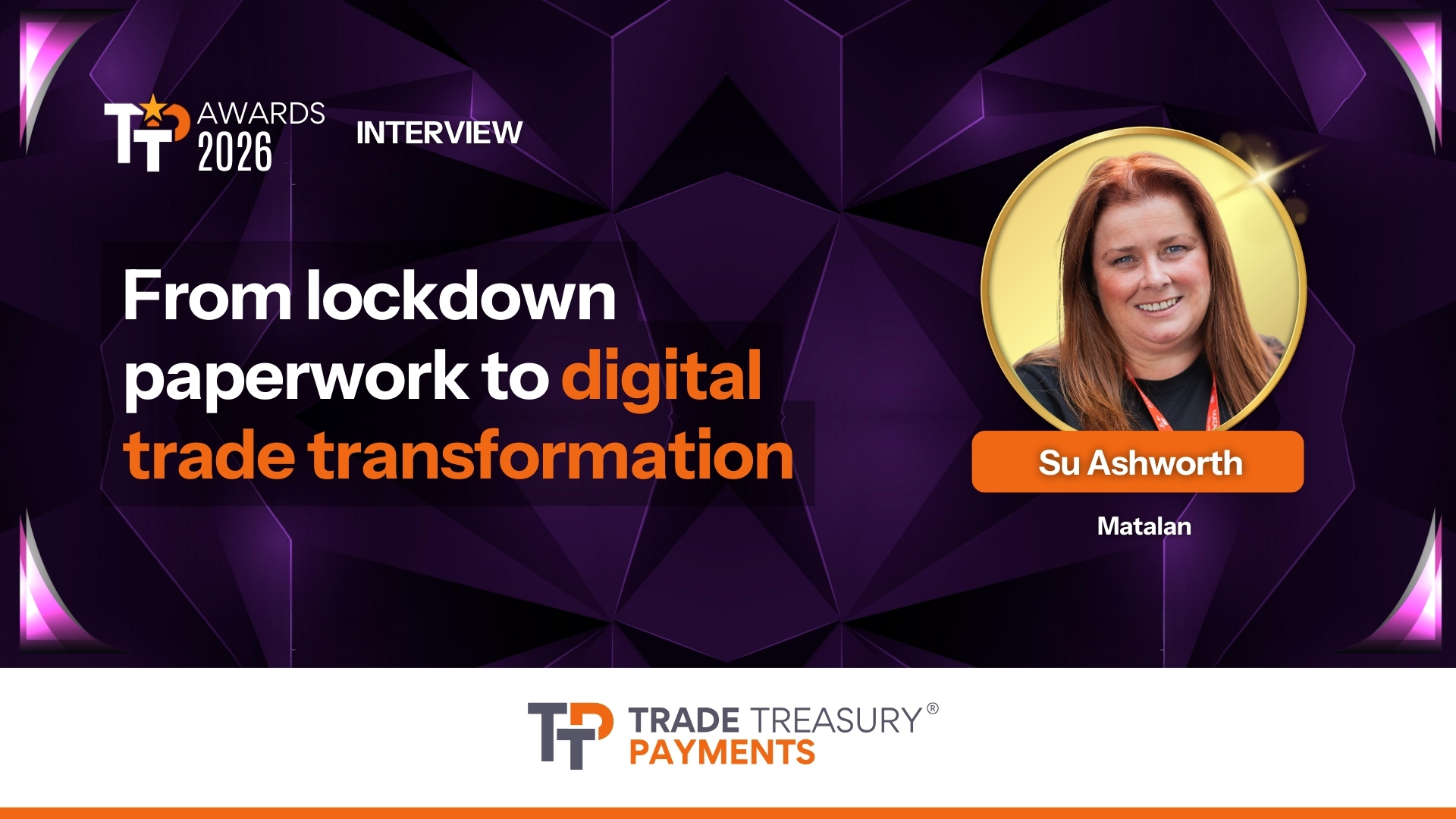

From lockdown paperwork to digital trade transformation
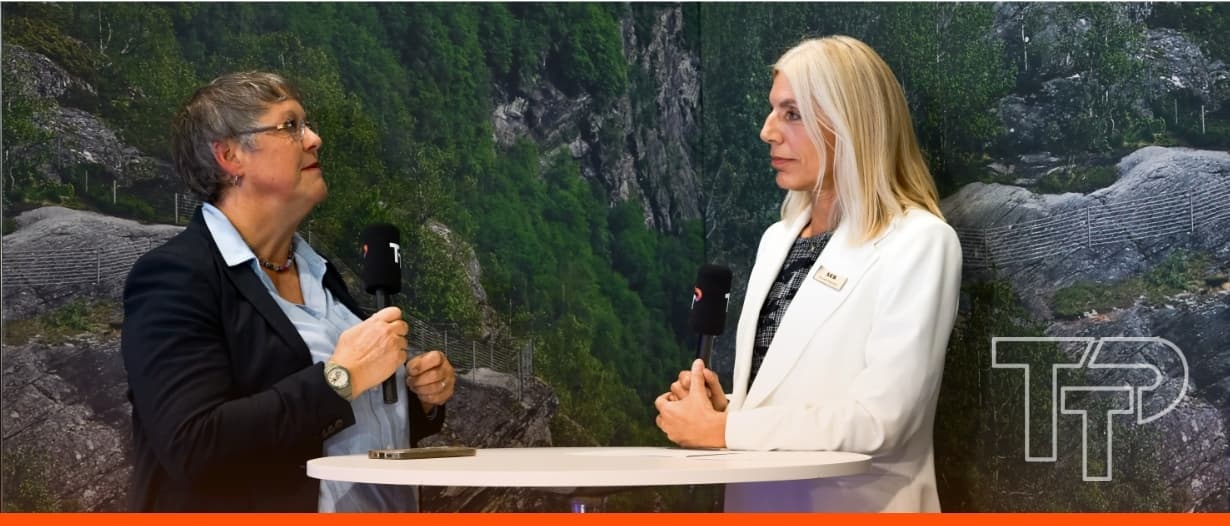
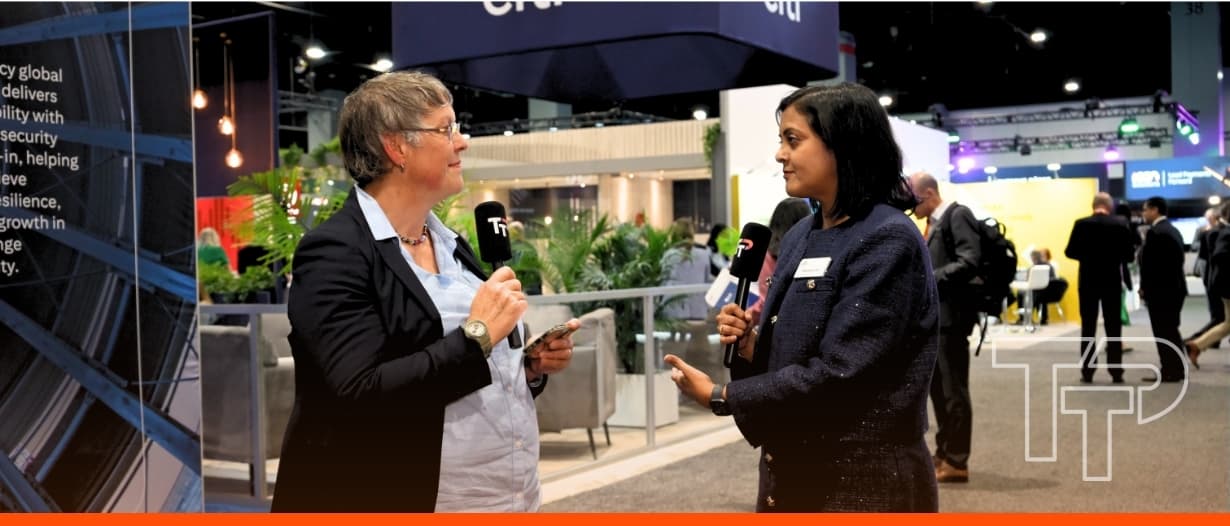
At the Trade Treasury Payments Awards 2026 in Jersey City, USA, Trade Treasury Payments (TTP) spoke with Su Ashworth of Matalan, winner of the Editor’s Choice Award, about how a very real challenge during the pandemic became the starting point for a broader digital trade transformation.
Ashworth admitted the recognition came as a surprise, particularly given the scale and complexity of the competition. She explained that what began as a simple search for a better way of handling documentation during lockdown ultimately evolved into a company-wide shift towards digital trade processes.
Ashworth said, “For a corporate to be included within all of banking, trade and treasury, and for us to win this just from something that came from COVID… I’m really pleased we’ve won that.”
During lockdown, trade documents that would normally circulate through offices and banks began arriving at Ashworth’s home. With more than 15,000 bills of lading and over 1,000 documentary collections each year, the volume quickly became overwhelming. Ashworth’s daily exercise quickly morphed into trips to post trade documents around the world. A surefire reminder of just how paper-dependent many trade processes still were.
Ashworth said, “That’s when I went onto Google to say there must be something more than doing all this paperwork.”
That search led her to the UK’s Electronic Trade Documents Act (ETDA) and the possibility of moving traditionally paper-based instruments into digital form. From there, Matalan began testing digital trade workflows.
The advice Ashworth now gives to other corporates is to start with a limited use case but keep the long-term objective in mind. Working closely with banking partners was critical, as was identifying those repetitive processes where paper added little value.
One of Matalan’s early successes involved digitising a promissory note, which delivered immediate efficiency gains. According to Ashworth, the company saved two days instantly and a further two days by accelerating document release. Those early wins built internal momentum, helping the company expand digital processes to acceptances and bills of exchange.
Ashworth said, “We’re doing all our acceptances now digitally… we have increased tremendously our digital acceptances.”
Internal buy-in also evolved over time as what began as a project that senior leadership viewed with cautious curiosity gradually gained traction as the benefits became clear. Ashworth credited support from colleagues across finance leadership for allowing the initiative to grow.
She said, “When we first brought this up to them, they were like, we don’t know what you’re on about, but we’ll let you get on with it. As things have moved on, they’ve started to get more of an understanding how complex trade is.”
For Ashworth, it has become evident that digital trade need not always begin with a grand strategy. Sometimes, it can start with a real problem, a willingness to question established processes, and the persistence to try something new.
Key Topics
- Digital transformation in corporate trade operations
- Adoption of electronic trade documentation
- The role of legislation in enabling digital trade
- Improving efficiency in trade documentation processes
- Collaboration between corporates and banks in digital trade
Key Insights
Expert Analysis
Sue Ashworth of Matalan shared how the company’s digital trade journey began during the Covid period, when traditional documentation processes became increasingly difficult to manage. With more than 15,000 bills of lading and over 1,000 documentary collections each year, the volume of paperwork was substantial. During lockdown, trade documents were temporarily redirected to her home, turning daily exercise into trips to the post office to send paperwork around the world. This experience highlighted the limitations of paper based trade processes. While searching for alternatives, Ashworth discovered that the legal environment was beginning to change, with the introduction of legislation allowing certain trade documents to be issued electronically. Matalan began its transition by focusing on smaller opportunities. One of the first digital instruments implemented was a promissory note, which immediately reduced processing times by several days. Encouraged by these results, the company has since expanded the use of digital documentation, including digital acceptances and bills of exchange. Ashworth encourages other corporates to begin with manageable changes and build from there. Engaging with banking partners early in the process can also help identify practical opportunities for digital adoption. As more organisations explore these solutions, digital trade is becoming an increasingly realistic option for corporates looking to modernise their operations.— Susan Ashworth
Key Findings
- Paper based trade documentation still creates significant operational challenges for many corporates.
- Companies managing large volumes of trade documents face considerable administrative workloads.
- Legal reform is providing the foundation for wider adoption of electronic trade documentation.
- Early digital initiatives can demonstrate quick wins and build internal support.
- Corporate leadership support plays an important role in enabling successful digital transformation.
Implications
- Legal recognition of electronic trade documents will encourage wider adoption of digital trade processes.
- Corporates that begin digitalising documentation today are likely to see immediate efficiency gains.
- Banks will play an important role in supporting clients as trade documentation moves online.
- Reduced reliance on courier services can lower costs and shorten transaction times.
- Digital trade processes can improve visibility and efficiency across global supply chains.
Key Takeaways
- Digital trade transformation does not need to start with large scale system changes.
- Even small digital initiatives can deliver meaningful time savings.
- Paper documentation continues to slow down many trade processes.
- Collaboration with banking partners can help corporates move forward with confidence.
- Digital trade adoption is becoming increasingly practical as legislation evolves.