
BNY and the new rails of global payments
As banks grapple with faster payment expectations, new rails, and rising demands for transparency, many are rethinking the infrastructure that underpins their payments and trade businesses.
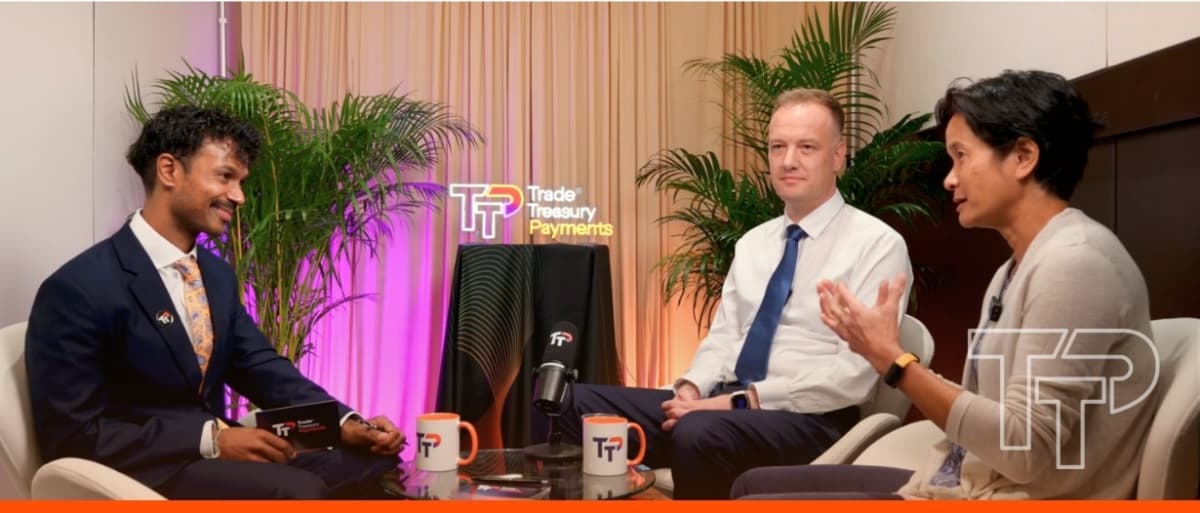
Ahead of the Trade Treasury Payments Award ceremony in Jersey City, USA, TTP spoke with Vladimir Popovic, Head of North America Banks, Global Payments & Trade at BNY, about how BNY, this year’s recipient of the Best Transaction Bank – Global Award, is helping partner banks modernise without rebuilding from scratch.
Popovic notes that clients want the same core outcomes, regardless of the rail. “Our customers are looking for speed, security, transparency, and reliability in their payment flows,” he said.
To deliver that consistently across ACH, wires, real-time, and cross-border payments, BNY has moved its payments and trade capabilities onto a shared infrastructure platform. The idea is to make it easier to onboard new rails, adapt to changing standards, and roll out improvements to clients with minimal disruption.
“We’ve put our payments and trade business on a shared infrastructure platform,” Popovic said. “Within that shared infrastructure platform, we’re able to onboard new rails with minimal disruption, we’re able to change standards as the industry requires and meet regulatory changes.”
For partner banks, that model simplifies their path to growth. Instead of building systems independently, they can plug into common APIs for payment tracking, liquidity visibility, and working capital insights, and then scale their services as demand increases.
The same approach is being applied to cross-border. In a recent project with a European bank, BNY embedded a complete international payments solution directly into the client’s digital channels.
“What that included was live FX rates… fees that were known ahead of time… and payment tracking,” Popovic said, adding that the bank also gained access to “over 160 different markets and 120 different currencies.”
He noted that the improved experience helped the bank compete more effectively with fintechs, even enticing back some clients that had previously switched to a fintech vendor.
Trade operations present a similar challenge. With high costs and complexity, many institutions are opting to outsource rather than build internally. “Trade outsourcing is very complex and expensive,” he said. “Instead of capital expenditure from a build perspective, they translate that into variable costs.”
Recognition, Popovic added, ultimately comes back to execution. “Receiving the award for Best Transaction Bank is a testament to the trust that our customers have in us,” he said. “And it’s also a recognition that we’re good at delivering speed, transparency, safety, and reliability.”
Key Topics
- Modernising payment infrastructure
- Integration of domestic and cross border payment rails
- Embedded banking and client collaboration models
- Trade outsourcing and operational efficiency
- Use of data and APIs to improve transparency
Expert Analysis
Vladimir Popovic, Head of North America Banks for BNY’s Global Payments and Trading Group, describes a clear shift in client expectations. Businesses today want payment services that are fast, secure, transparent and reliable, regardless of whether they are moving money domestically or across borders. To meet these expectations, BNY has brought its payments and trade capabilities together on a shared infrastructure platform. This approach makes it easier to introduce new payment rails, adapt to industry changes and support clients with minimal disruption. It also allows the bank to work more closely with its partners, embedding solutions directly into their systems and customer journeys. A key strength of this model is its ability to scale. Banks can onboard quickly and expand services as their client base grows, without needing to invest heavily in building their own infrastructure. At the same time, shared data and API connectivity provide valuable insights, helping banks and their customers track payments, manage liquidity and improve overall financial control. Popovic also highlights the importance of delivering a modern user experience. By offering features such as real time FX rates, transparent pricing and intuitive payment flows, traditional banks can compete more effectively with fintech firms and even win back clients who had moved away. Finally, trade outsourcing plays an important role. It removes the need for significant capital investment, replaces fixed costs with more flexible ones and gives banks access to global expertise and established processes. As digital capabilities and technologies such as AI continue to evolve, this model allows banks to keep pace without constantly rebuilding their operations.— Vladimir Popovic
Key Findings
- Demand for consistent and high quality payment experiences is increasing across all payment types
- Shared infrastructure simplifies onboarding and supports growth for partner banks
- Transparency features such as tracking and upfront pricing significantly improve client satisfaction
- Trade outsourcing addresses both cost pressures and operational challenges
- Combining payments, trade and data within a single platform creates a clear competitive advantage
Implications
- Shared infrastructure will make it easier for banks to adapt and innovate as the payments landscape evolves
- Delivering a seamless and transparent experience will be key to competing with fintech providers
- Trade outsourcing is likely to become more widely adopted as banks look to control costs and scale efficiently
- Data driven insights will play a growing role in managing liquidity and improving client outcomes
- Continued investment in digital capabilities will be essential to remain competitive