


About This Video
Expanding access to trade finance in emerging markets is both a challenge and an opportunity. For global trade to function smoothly, liquidity must reach importers and exporters both in established markets and also in smaller, riskier economies where demand is rising fastest.
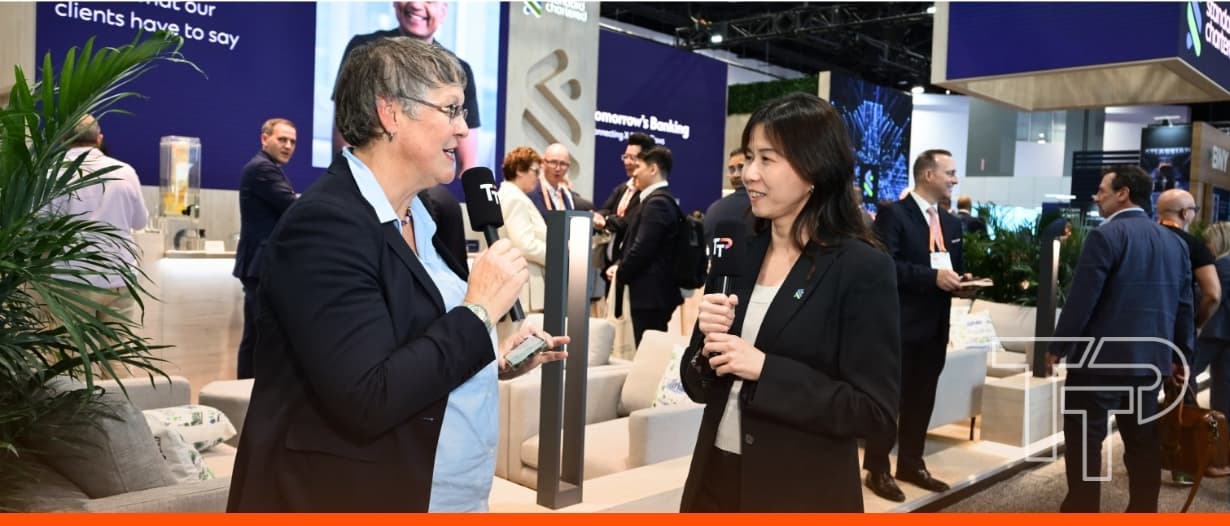
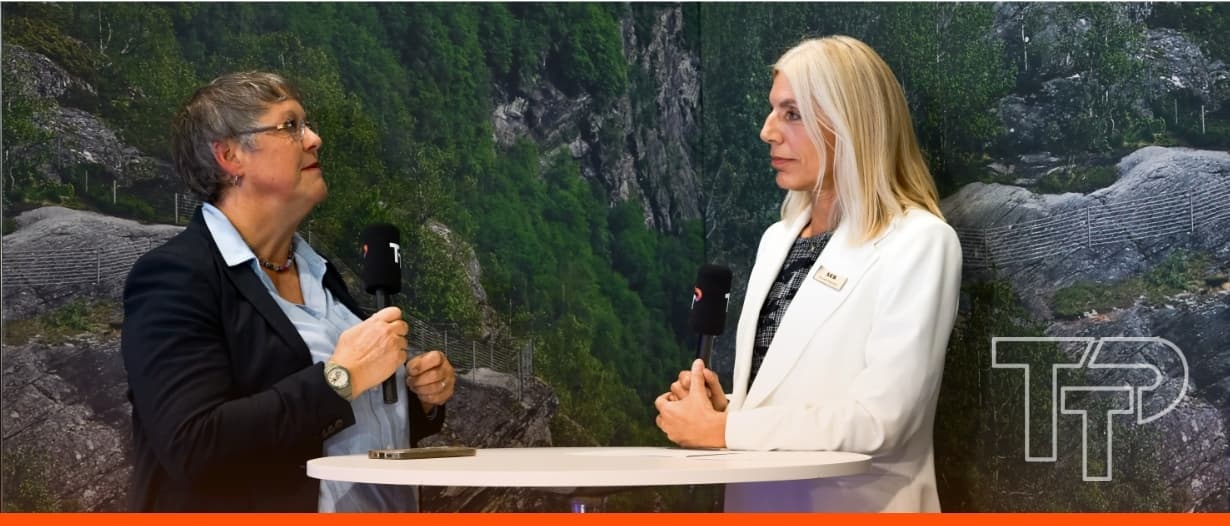
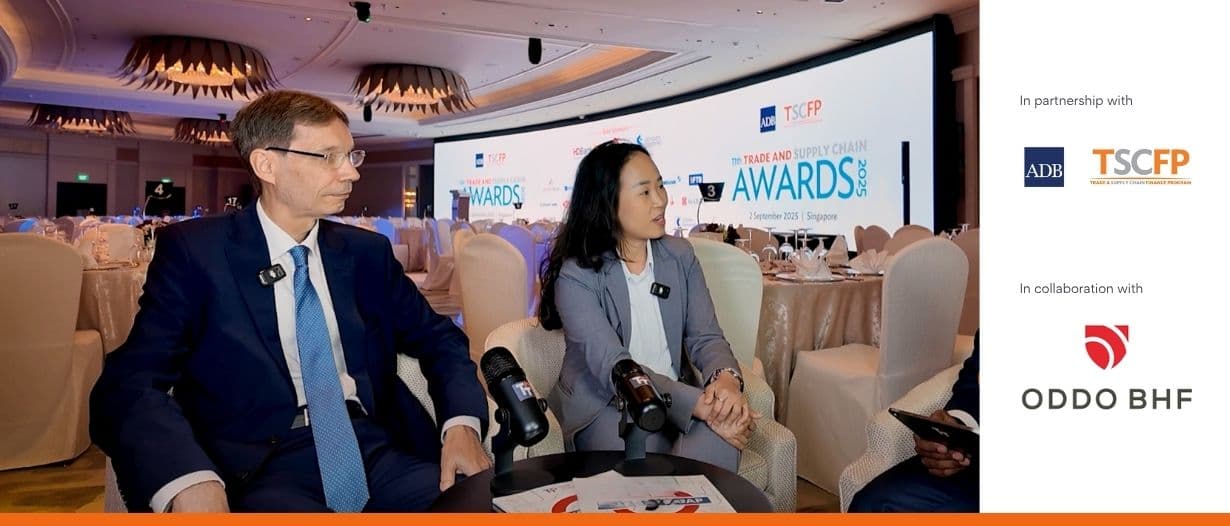
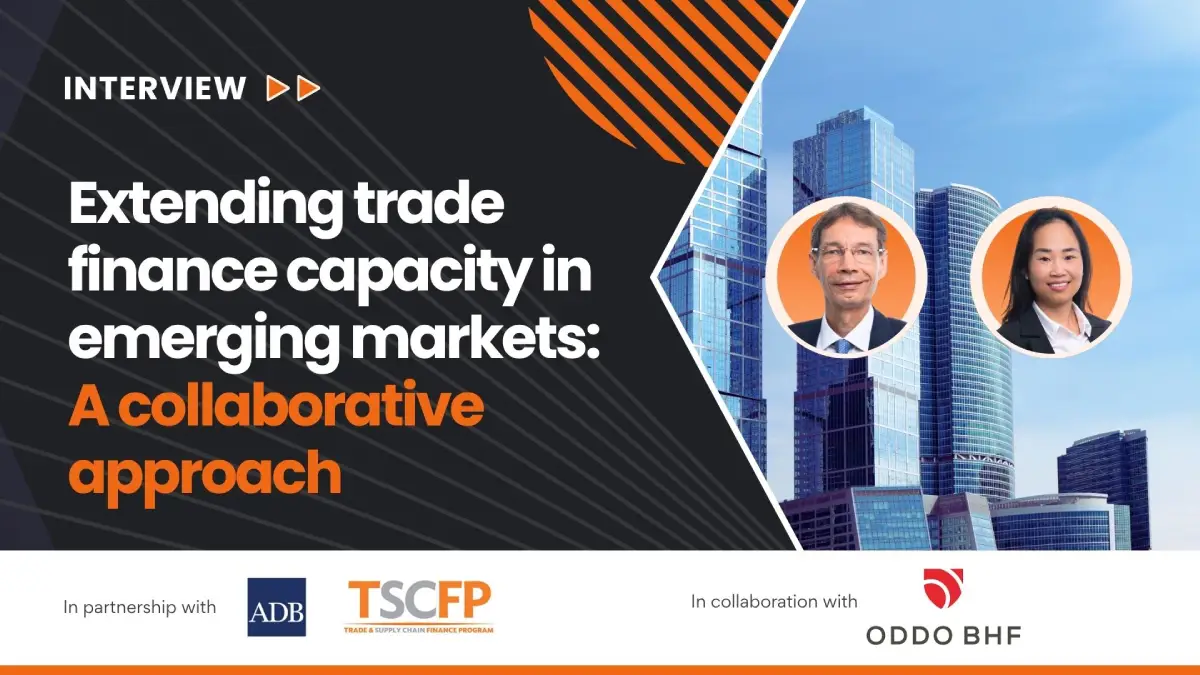
At the Asian Development Bank’s Trade & Supply Chain Finance Program (TSCFP) Awards, Trade Treasury Payments spoke with Rudolf Putz, Managing Director, Trade Product and Distribution Management and Mai Vu, Vice President, Regional Manager, Southeast Asia at ODDO BHF about how partnerships with multilateral development banks are helping to meet this demand.
Putz explained, “Emerging markets are becoming more and more important for importers and exporters. These are growing markets, but growth has to be accompanied by an increasing provision of trade finance.”
Balancing opportunity with regulatory complexity
ODDO BHF has long played a role within ADB’s TSCFP, mobilising financing with ADB cover into frontier markets where local banks and corporates need reliable support.
While the bank’s demand is rising, it is experiencing many of the obstacles associated with operating in smaller, high-risk countries. In particular the requirements for considerable investment to develop correspondent banking networks and internal practices such as risk management and compliance.
“The whole business has become more expensive,” Putz said, noting how regulatory burdens and reporting requirements have become persistent challenges. Despite these headwinds, the bank sees opportunities in continuing to serve clients in fast-growing economies where international trade is accelerating.
For Mai Vu, who leads ODDO BHF’s activities in Southeast Asia, the pace of change in the region is striking. “I have been observing and experiencing how active and fast-changing trade flows are in this region,” she said. “The demand is strong across the whole region, even though the most active industries vary from market to market.”
Vu pointed to Vietnam and Thailand as examples of where momentum is also building in the region. The diversity of demand shows why banks must remain agile in their approach.
Partnerships as capacity multipliers
One theme running through the discussion was the importance of partnership. For ODDO BHF, working with multilateral development banks such as ADB allows the firm to extend capacity in markets where its own risk limits would otherwise be reached.
“When we see demand for additional risk-taking capacity, we invite international financial institutions like the ADB to co-finance with us,” Putz explained. This can include covering part of a risk exposure or providing longer tenors than the bank could otherwise support.
He also highlighted the knowledge-sharing role of IFIs. By providing training and technical assistance to local banks, ADB strengthens the overall ecosystem and helps markets replace general working capital facilities with targeted trade finance solutions.
On the topic of emerging markets, Vu emphasised that ODDO BHF’s growing presence in Asia is a reflection of its long-term commitment to the ADB Trade & Supply Chain Awards. “Last year we brought a big delegation to Singapore, and this year we brought an even bigger one,” she said. “That shows our commitment to Asia, to developing markets in Asia, and to emerging markets globally. We are not just a phone call or an email away – we are present in the region.”
From Frankfurt to Singapore, ODDO BHF sees itself as both a European and an Asian player, with partnerships enabling it to deliver financing where it matters most.
Trade finance in emerging markets depends both on liquidity and collaboration. By working with multilateral development banks, ODDO BHF extends its reach, while helping to build the capacity of local institutions that will drive growth in the years ahead.
Watch the video on YouTube here.
Key Topics
- Scaling trade finance in emerging and developing markets
- Managing correspondent banking relationships and regulatory requirements
- Partnering with multilateral development banks to share risk
- Expanding regional trade finance capacity in Southeast Asia
- uilding long-term presence and relationships in local markets
Key Insights
Expert Analysis
“Our commitment to emerging markets is strong and growing. We work closely with international financial institutions such as ADB to expand risk-taking capacity and support our clients in markets where trade is rising fastest. Being present in Asia not just remotely reflects our philosophy of relationship-driven banking.”— Rudolf Putz
Key Findings
- Emerging markets represent the fastest-growing trade corridors but require increased financing capacity.
- Maintaining correspondent banking networks across high-risk regions remains a major operational challenge.
- Partnerships with multilateral development banks extend ODDO BHF’s risk capacity and support longer-term financing.
- IFIs play a critical role in providing training and technical support to local banks.
- ODDO BHF’s on-the-ground presence in Asia underpins its long-term strategy for developing markets
Implications
- Deeper collaboration between commercial banks and development institutions can unlock greater trade-finance flow to emerging markets.
- Regulatory complexity and compliance costs highlight the need for scalable digital and risk solutions.
- Local presence remains vital to understanding and serving regional clients effectively.
- Building regional networks strengthens resilience and supports inclusive growth in trade finance.
Key Takeaway
- ODDO BHF Bank’s partnership with the Asian Development Bank strengthens its ability to extend trade finance into emerging markets, balancing growth, risk, and regional presence to support sustainable trade flows.