
Transforming African trade and enabling a just transition
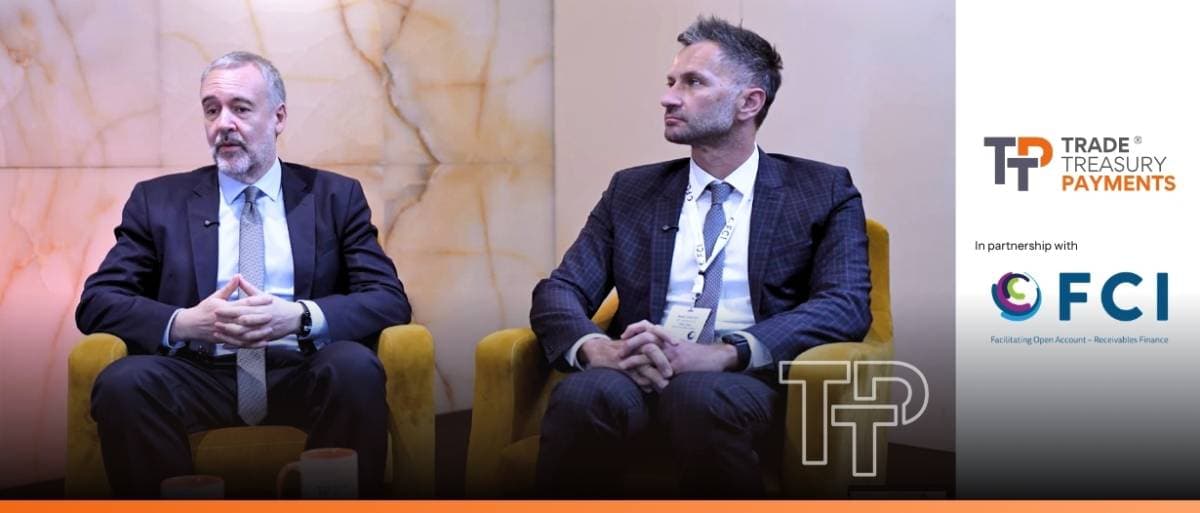
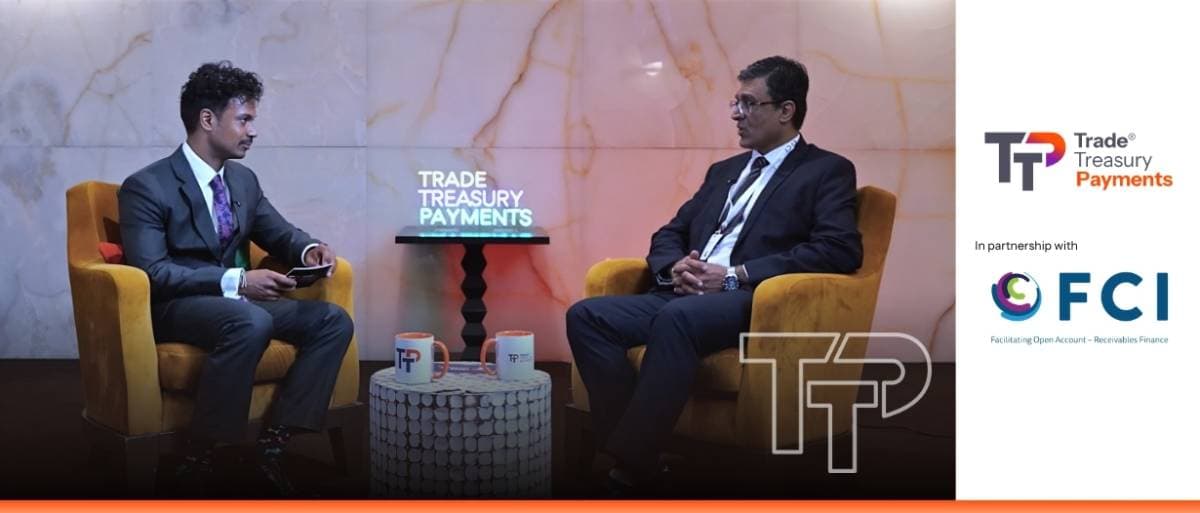
At the ITFA Trade and Forfaiting Conference in Singapore, Trade Treasury Payments (TTP) spoke with Thierry Hebraud, Chief Executive Officer of Mauritius Commercial Bank (MCB), about Africa’s trade transformation agenda and the continent’s path toward a just transition.
Hebraud said, “Africa today is a major exporter of raw materials and an importer of finished goods. Intra-African trade is only 16%, and that’s very low. The key goal is to transform resources inside the continent and develop intra-African trade.”
Examples of this shift can already be seen. In Nigeria, the Dangote refinery has allowed the country to process its own crude oil into refined products, which has reduced the country’s dependency on imports and while cutting greenhouse gas emissions.
Meanwhile, in the Democratic Republic of Congo (which holds 74% of global cobalt supply) most exports are still shipped as raw material to China. Hebraud pointed out that smelting locally and exporting higher-value products would deliver greater benefits. “A ton of bauxite is worth $65. Aluminium from that bauxite is worth $2,500. That is the magnitude of the transformation Africa needs,” he said.
MCB as an African Bank is actively supporting investors, private equity funds, Global Corporates and African corporates engaged in African productions via our full suites of Supply chain financing, financing products and solutions. The bank is also backing renewable energy projects in solar, hydro, geothermal, and wind, while recognising the need for oil and gas in the medium term to enable a just transition. “Six hundred million Africans today have no access to electricity,” Hebraud noted. “If you want to move this population to an acceptable standard of living, you have to develop this continent. That’s the way we do it.”
Beyond financing, Mauritius itself made history this past month by being the first African country that has enacted legal reforms that recognise electronic bill of exchange. As part of its trade digitalisation efforts, it is also establishing regulatory frameworks for virtual assets and making strides to become a key gateway between Africa, Asia, Europe, and the Americas.
Hebraud said, “We continue to be on the forefront of this transition. It is quite natural that Mauritius is among the first movers.”
Key Topics
- African trade transformation requires processing raw materials into finished goods within the continent to capture greater value and reduce import dependency.
- Intra-African trade currently represents only 16% of total trade, indicating significant untapped potential for regional economic integration and growth.
- Just energy transition in Africa must balance renewable energy development with continued oil and gas use in the medium term to ensure accessible power for over 600 million people without electricity.
- Mauritius is advancing trade digitalisation through legal reforms recognising electronic bills of exchange and regulatory frameworks for virtual assets.
- Supply chain financing and trade finance solutions are essential mechanisms for supporting African investors and corporates engaged in local value-added production.
Key Insights
Expert Analysis
Thierry Hebraud, Chief Executive Officer of Mauritius Commercial Bank, argues that Africa's trade transformation requires moving beyond raw material exports to develop local processing and higher-value production. He emphasises that intra-African trade at 16% is critically low and that capturing the value gap between raw commodities and finished goods is essential for continental development. Hebraud notes that achieving a just transition necessitates pragmatic energy policy: whilst renewable sources are vital, continued oil and gas use is needed in the medium term to ensure the 600 million Africans without electricity can access power as living standards improve. He positions MCB as supporting this transformation through supply chain financing and trade finance solutions, and highlights Mauritius's leadership in trade digitalisation through electronic bills of exchange and virtual asset regulation.
Key Findings
- Intra-African trade stands at only 16%, indicating substantial unrealised potential for regional economic integration and value creation.
- Processing raw materials locally creates exponential value gains, with bauxite worth $65 per ton becoming aluminium worth $2,500 per ton.
- Over 600 million Africans have no access to electricity, making energy infrastructure development a prerequisite for raising living standards across the continent.
- Mauritius has become the first African country to enact legal reforms recognising electronic bills of exchange, advancing trade digitalisation across the continent.
- Nigeria's Dangote refinery demonstrates how local crude oil processing reduces import dependency whilst cutting greenhouse gas emissions.
Implications
- Without significant investment in domestic processing capacity, African nations will continue to forfeit substantial value from their natural resources to foreign processors and manufacturers.
- A pragmatic approach to energy transition must balance renewable energy deployment with medium-term reliance on conventional sources to meet growing electricity demand and prevent development stagnation.
- Trade finance and supply chain financing institutions will play a critical role in enabling African firms to invest in value-added production capabilities and compete in higher-margin sectors.
- Digital trade infrastructure, including electronic bills of exchange and virtual asset frameworks, will become increasingly important for facilitating African intra-regional commerce and cross-border transactions.
- Countries with early-mover advantage in trade digitalisation and regulatory reform, such as Mauritius, are positioning themselves as regional hubs and gateways for broader African-global trade.
Key Takeaways
- Africa must shift from exporting raw materials to developing local processing and manufacturing to capture the enormous value gap between commodities and finished goods.
- Intra-African trade expansion, currently at 16%, is critical to unlocking regional economic integration and growth potential across the continent.
- Energy policy must balance renewable energy rollout with pragmatic medium-term reliance on fossil fuels to provide the 600 million Africans without electricity access to affordable power.
- Trade finance, supply chain financing, and digital infrastructure reforms are essential mechanisms for enabling African firms to participate in higher-value production and global trade.
- Mauritius's leadership in legal reforms for electronic bills of exchange and virtual asset regulation demonstrates the importance of regulatory innovation in facilitating digital trade transformation.