
About This Video
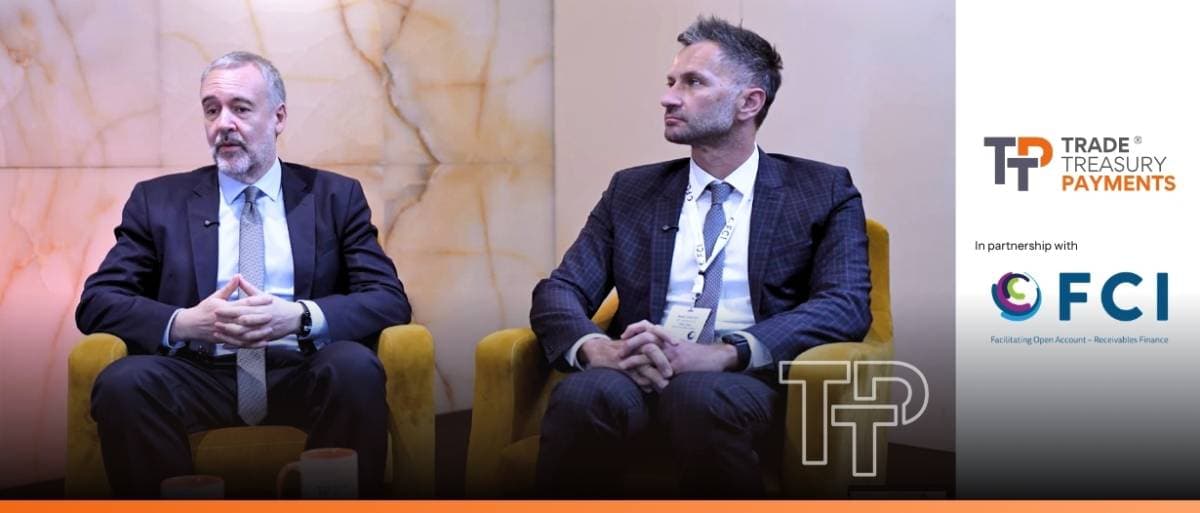
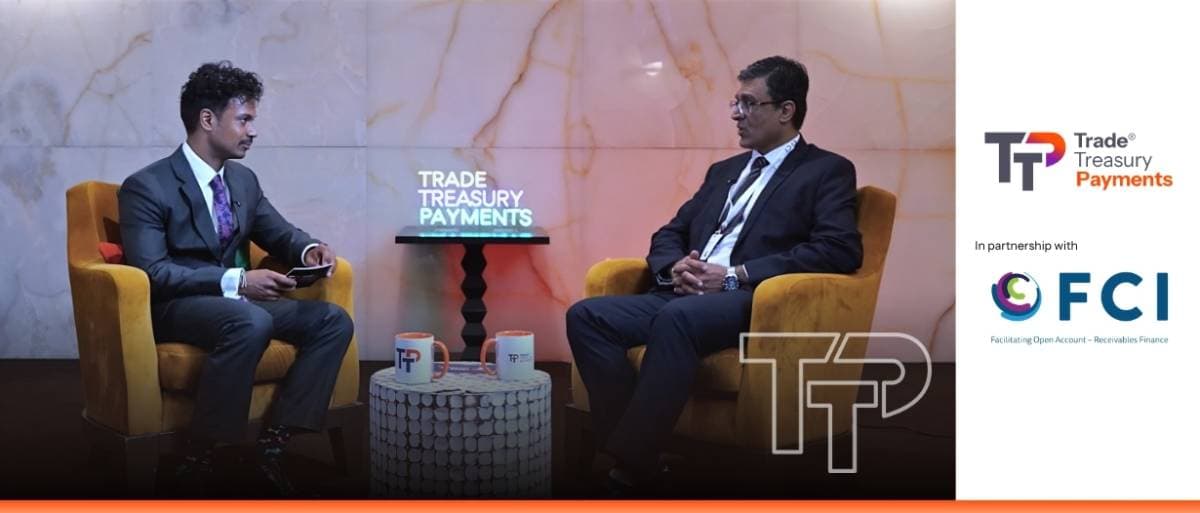
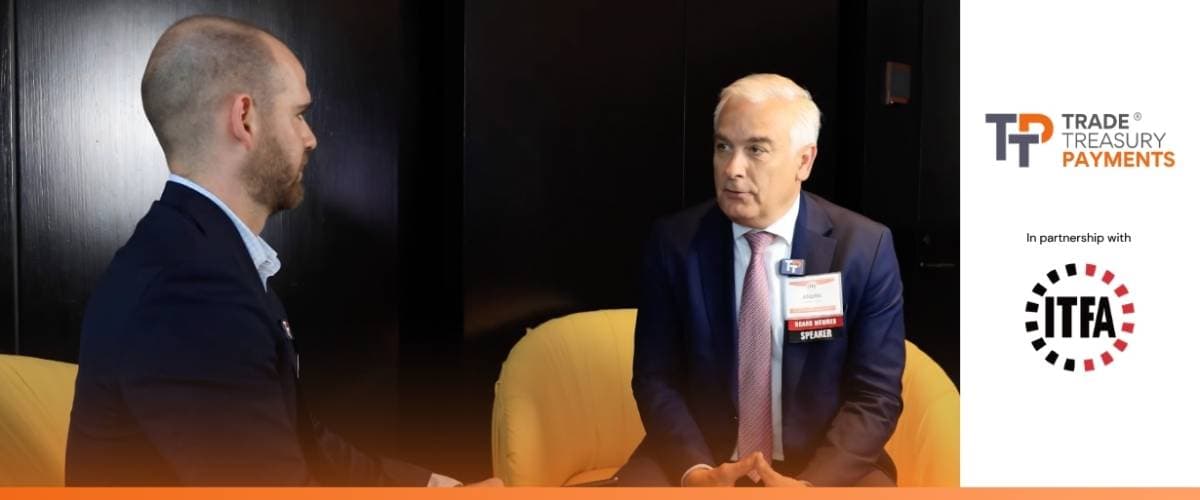
At the Commonwealth Business Summit in Windhoek, Trade Treasury Payments (TTP) spoke with Neil Shonhard, CEO of MonetaGo, to explore how digital infrastructure can unlock trade finance access for small businesses across the Commonwealth, particularly in Africa.
Reflecting on the keynote from the Commonwealth’s new Secretary-General, Dr Shirley Botchwey, Shonhard noted trade is expected to become a central pillar of the Secretariat’s agenda. With Dr Botchwey’s extensive background as Ghana’s former trade minister, he believes the region is well-positioned to prioritise inclusive economic growth.
“Access to finance across Africa is still incredibly limited,” Shonhard said. “The MSME segment faces up to 80% unmet financing demand, compared to around 50% globally. And that hits African nations hardest.”
With the Commonwealth’s goal of reaching $2 trillion in intra-regional trade by 2030, Shonhard underscored the urgency of the task, particularly as Africa is projected to host 80–90% of the world’s extreme poor by that same year. Shonhard noted that digital public infrastructure that has potential do de-risk trade can play a transformational role in the region.
Watch the video on YouTube here.
Such infrastructure includes national-level trade data registries and fraud prevention systems, which boost lender confidence and unlock liquidity. MonetaGo’s own systems, already deployed in India and Singapore, are now being explored across several African Commonwealth nations.
“There is no region in the world,” Shonhard concluded, “where there is so much opportunity to do so much good.”
Key Topics
- Trade is now a core priority for the Commonwealth Secretariat over the next five to ten years.
- Africa faces a significant financing gap, with MSMEs experiencing up to eighty percent unmet credit demand.
- The continent is projected to carry the highest share of global extreme poverty by two thousand and thirty.
- Achieving the Commonwealth’s two trillion dollar intra regional trade target requires stronger risk mitigation.
- Digital public infrastructure can unlock liquidity and enable safer, more inclusive trade finance.
Key Insights
Expert Analysis
With the Commonwealth Secretariat placing trade at the centre of its agenda, the conditions are favourable for meaningful reform. The scale of unmet financing demand across Africa underscores the urgency of deploying digital public infrastructure that can reduce risk and unlock liquidity. Doing so would not only support the Commonwealth’s two trillion dollar trade target but also deliver broad social and economic benefits. The region represents one of the most impactful environments globally for risk mitigation technology, with the potential to transform outcomes for businesses and communities alike.
Key Findings
- The new Secretary General’s trade focus aligns with the continent’s most urgent economic needs.
- Africa’s financing gap is both larger and more structurally entrenched than global averages.
- Digital infrastructure offers a practical route to de risk trade finance at scale.
- Liquidity improvements can unlock significant intra regional trade growth.
- The opportunity for positive impact across Commonwealth Africa is substantial.
Implications
- Commonwealth African nations stand to benefit significantly from technology driven risk reduction.
- Financial institutions may be able to expand lending once risk is more accurately assessed and managed.
- Improved liquidity can accelerate regional trade flows and support the Commonwealth’s long term economic agenda.
- Addressing the financing gap is essential to reducing projected levels of extreme poverty.
- Collaboration between governments, technology providers and financial actors will be critical.
Key Takeaways
- Reducing risk is the single most important lever for expanding trade finance across Africa.
- Digital public infrastructure can materially improve liquidity and confidence in cross border trade.
- The Commonwealth’s trade ambitions depend on addressing the MSME financing gap.
- Strong leadership and trade expertise at the Secretariat create momentum for change.
- The opportunity for positive, large scale impact across Commonwealth Africa is unmatched.