How CaixaBank is supporting ESG-led trade finance across regions
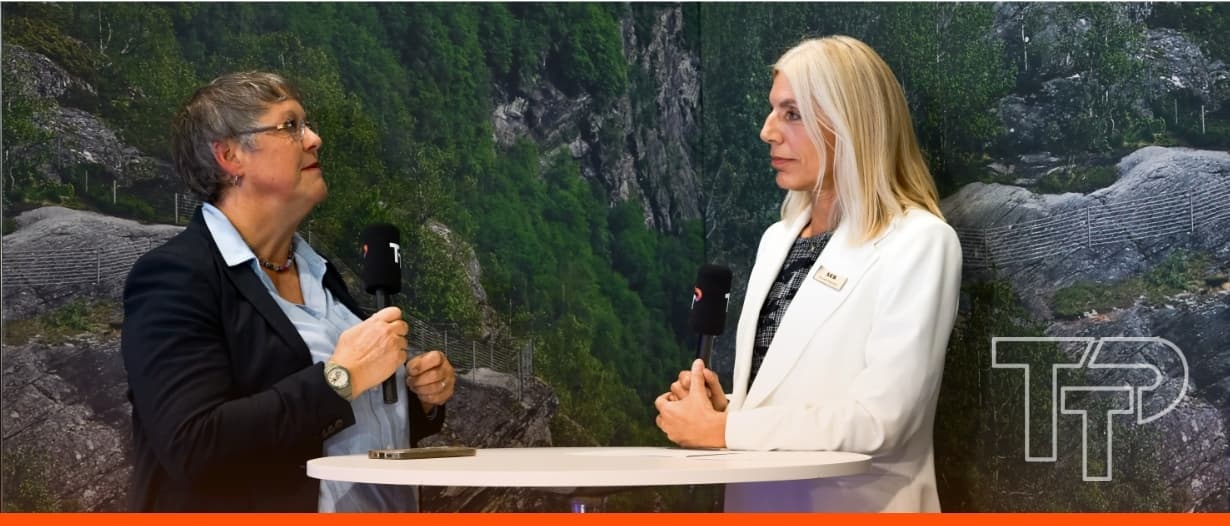
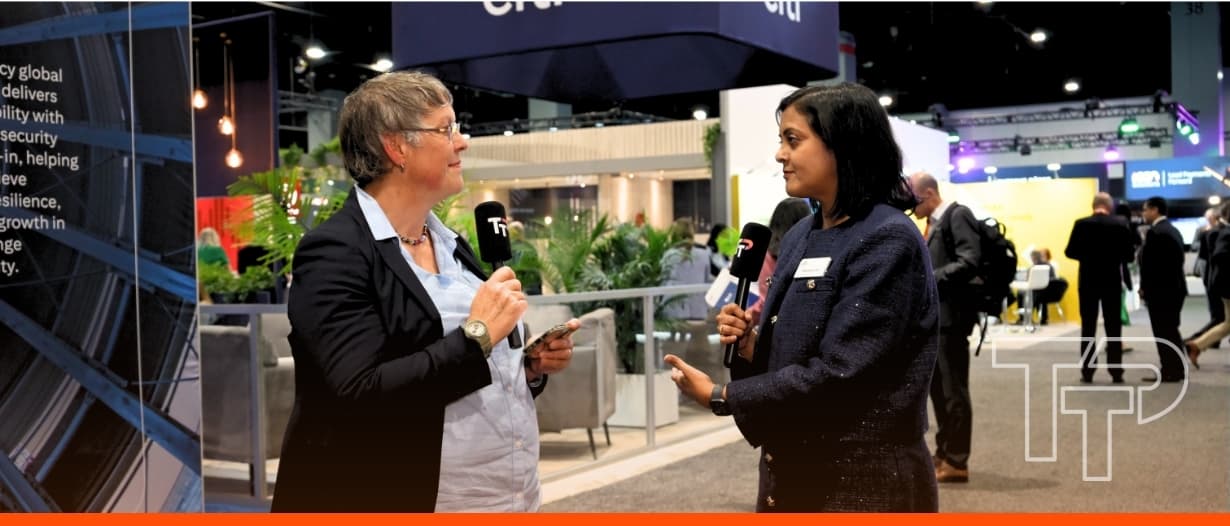
At the European Bank for Reconstruction and Development (EBRD) 2025 Annual Meeting and Business Forum in London, Trade Treasury Payments (TTP) spoke with Pablo Pérez-Montero, Global Head of Sustainable Finance Advisory at CaixaBank CIB (Corporate & Investment Banking), to discuss the bank’s growing role in ESG-led trade finance across global markets.
Pérez-Montero said, “From the very beginning, sustainability has been part of CaixaBank’s DNA. Our main shareholders is “la Caixa” Foundation, one of the major European foundations, and that social mandate continues to guide our strategy.”
That strategy includes an ambitious new target: €100 billion in sustainable finance over the next three years, following a strong 2024 where the bank exceeded its own performance benchmarks. Trade finance is central to delivering on that ambition.
Pérez-Montero said, “Trade finance is one of our most relevant sectors within CIB. We’ve built strong relationships with multilaterals and grown our trade loan activity significantly over the last two years. It’s an area we will continue to scale.”
The regulatory and market environment is pushing sustainability higher up the agenda for banks and corporates alike and momentum is building globally both in terms of capital deployed and in efforts to harmonise standards.
Pérez-Montero said, “Organisations like the International Chamber of Commerce and others are working to standardise ESG-linked products and promote best practices. That’s essential to make these solutions more accessible, particularly in geographies facing the greatest vulnerability.”
Supply chains, in particular, are seen as a major opportunity area for linking sustainability goals with trade finance. Market demand for ESG-aligned supply chain finance has grown which is prompting CaixaBank to invest in product development tailored to those needs.
However, structural barriers remain. Chief among them is a lack of standardisation in ESG frameworks. While markets like bonds and syndicated loans have begun to converge around ICMA or LMA principles, trade finance still lacks the same level of consensus.
Pérez-Montero said, “There is a clear need for homogeneity across market structures. Without that, it’s harder to scale ESG products efficiently or ensure credibility across different jurisdictions.”
Looking ahead, there is a need to bridge political goals with real-world impact but the challenge is aligning ESG ambitions with the practical realities on the ground, particularly in developing economies and sectors where infrastructure and energy investments are still critical to long-term sustainability outcomes.
Pérez-Montero said, “We need to move beyond flexibility and focus on real, measurable impact. That means supporting the sectors and countries that are still building the foundations for sustainable development.”
For CaixaBank, ESG and trade finance are not separate priorities, but two sides of the same coin. And with momentum growing across regions, the institution is keen to help clients embed sustainability deeper into the flow of global trade.
Key Topics
- CaixaBank’s strategy and positioning in sustainable trade finance
- The growing role of ESG in global trade finance markets
- Opportunities to embed sustainability within supply chains
- Regulatory and market forces shaping sustainable finance
- The need for greater consistency and standards in ESG trade finance
Key Insights
Expert Analysis
Pablo Perez-Montero, Global Head of Sustainable Finance and ESG Advisory at CaixaBank Corporate and Investment Banking, explains that sustainability has been embedded in the bank’s culture since its earliest days. With one of Europe’s largest foundations as its main shareholder, CaixaBank has always placed social responsibility and long term impact at the centre of its business model. In recent years, the bank has significantly expanded its sustainable finance ambitions. Having already surpassed earlier targets, CaixaBank is now working towards mobilising hundreds of billions of euros in sustainable financing over the next three years. Trade finance forms an important part of this effort, particularly through partnerships with multilateral institutions and the continued growth of trade related lending. Perez-Montero notes that the evolution of sustainable trade finance is being shaped by several forces. Regulation continues to play an important role, but market demand and global initiatives are also accelerating progress. Organisations such as the International Chamber of Commerce are actively working to create more consistent frameworks and encourage greater investment, particularly in regions with higher levels of vulnerability. Looking ahead, he sees strong opportunities in supply chain finance, where banks can support clients in strengthening sustainability across their operations and value chains. At the same time, he acknowledges that the market still faces important challenges. Greater standardisation, improved traceability and clearer measurement of real world impact will all be essential if sustainable trade finance is to reach its full potential. Supporting sectors such as energy, infrastructure and economic development will remain a key priority in the years ahead.— Pablo Pérez-Montero
Key Findings
- CaixaBank plans to mobilise hundreds of billions of euros in sustainable financing over the next three years.
- Global sustainable finance activity grew strongly and reached a peak in 2024.
- Partnerships with multilateral institutions are helping expand access to trade related funding.
- Supply chain finance is emerging as a key area for integrating sustainability into trade.
- A lack of consistent ESG structures remains one of the main barriers to scaling sustainable trade finance.
Implications
- Demand for sustainable trade finance solutions is expected to grow as banks expand their ESG commitments.
- Supply chain finance is likely to become a major channel for delivering sustainability improvements across global trade.
- Collaboration between banks, multilaterals and international organisations will be increasingly important.
- The development of consistent ESG frameworks will help accelerate adoption across the market.
- Better data and impact measurement will play a crucial role in strengthening credibility and transparency.
Key Takeaways
- Sustainability is central to CaixaBank’s long term strategy.
- Trade finance is an important tool for supporting sustainable economic activity.
- Global regulation and market expectations continue to push ESG forward.
- Supply chains present a major opportunity for sustainable finance innovation.
- Clearer standards and stronger collaboration will be essential for future growth.