Reels | Cutting through the noise to find opportunity in emerging and frontier markets
While political headlines and tariff threats dominated conversations around Davos, Robert Besseling, Founder and CEO of Pangea Risk, was focused elsewhere.
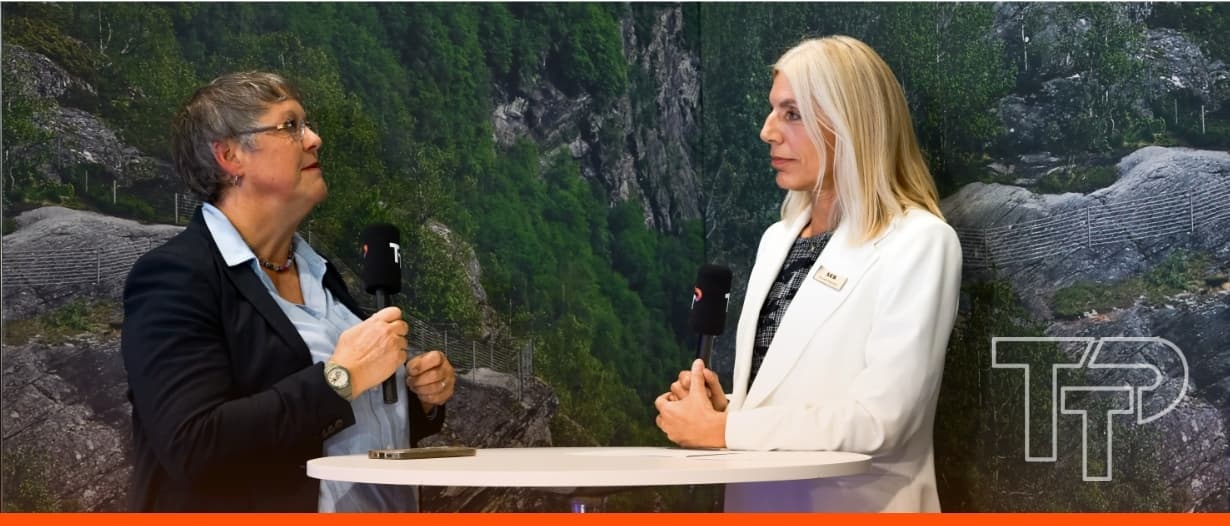
Speaking with Trade Treasury Payments (TTP) from London during the launch of the firm’s flagship annual report, Insight 2026, Besseling argued that investors and corporates risk missing meaningful opportunities if they allow global “noise” to dictate their view of emerging markets.
“We are trying to cut out the noise,” he said. “If you look at many of the countries in Africa, in Asia, in the Middle East, there are phenomenal opportunities. And there are quite a few opportunities, just if you know where to look.”
For Besseling, the disconnect between perception and reality is becoming more pronounced. Media attention remains fixed on geopolitics, sanctions, and the so-called Trump factor, yet capital is still flowing into infrastructure, logistics, and reform stories across frontier and emerging economies.
One area drawing particular attention is infrastructure finance. After years of funding gaps, alternative sources of capital are stepping in alongside traditional lenders.
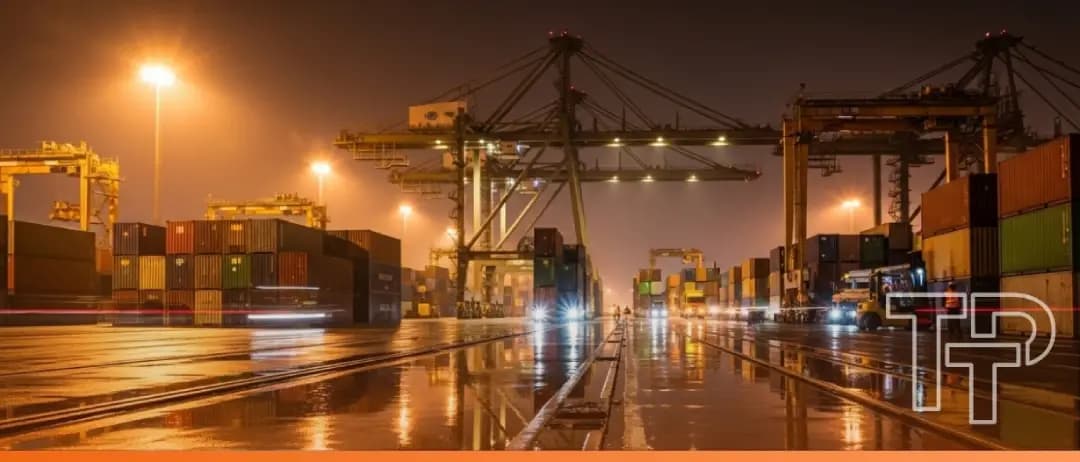
“We’re seeing the infrastructure financing gap shrink because we’re seeing alternative sources of financing, not just China, but also the Middle East and Turkey, Western sources of financing like Europe and the US, all bringing in new funding for massive rail and port logistics corridor projects,” he explained.
These flows are especially prominent across Africa, as well as Central and South Asia, where transport and trade corridors are becoming central to national growth strategies.
At the same time, several large emerging markets are beginning to see the delayed benefits of structural reform programmes introduced over the past few years. Subsidy cuts and IMF-backed adjustments have often been politically painful, but they are now starting to restore fiscal credibility.
“Countries like Nigeria, like Sri Lanka, and like Turkey are seeing the benefits of those economic and structural reforms,” Besseling said. “That means that many of these countries now are able to go back to debt markets. And that’s a great thing for their fiscal footing and also to be able to finance some of these large infrastructure projects.”
Improved access to debt markets both strengthens sovereign balance sheets and unlocks funding for the trade and logistics investments that underpin broader economic development.
Another shift is taking place in development and climate finance. As some Western governments scale back commitments, new players are moving to fill the gap, reshaping the competitive landscape for capital.
“We’re seeing alternative sources of financing, particularly from the Middle East and Asia, trying to compete with those traditional financiers like the US and Europe,” he noted.
This diversification is expanding the toolkit available to governments and issuers. Instruments such as diaspora bonds, blue and green bonds, panda bonds, and other specialised debt structures are giving frontier markets additional routes to crowd in private capital.
For countries that were largely shut out of international markets in the aftermath of the pandemic, these channels represent a renewed opening. Risks remain, but so do investable stories that are often overlooked amid global uncertainty.
“I think that’s really, really important and very optimistic for emerging and frontier markets across the world,” Besseling said.
For investors willing to look beyond the headlines, the next wave of growth may already be taking shape, just not in the world’s largest economies. It is time to look to the markets that are building the rails, ports, and financing structures that will support tomorrow’s trade.
TTP readers can access the full report for free via this link.
Key Topics
- Emerging and frontier market risk and opportunity
- Infrastructure finance and trade corridors
- Macroeconomic & sovereign risk
- Development finance and alternative capital sources
- Capital markets access for reforming economies
Key Insights
Expert Analysis
Robert Besseling argues that global political noise around tariffs, sanctions, and geopolitics is distracting investors from genuine opportunities across emerging and frontier markets. He points to a narrowing infrastructure financing gap driven by increasingly diversified capital sources, including the Middle East, Turkey, Europe, and the US, particularly for rail and port logistics corridors across Africa and Central and South Asia. Besseling also highlights that IMF-backed reforms and subsidy cuts in countries such as Nigeria, Sri Lanka, and Turkey are now restoring fiscal credibility and reopening access to debt markets. At the same time, as Western development and climate finance retrenches, alternative funding channels, including diaspora bonds and green, blue, and panda bonds, are expanding the financing toolkit available to emerging economies.— Robert Besseling
Key Findings
- Infrastructure financing gaps are narrowing in selected emerging regions
- Access to international debt markets is reopening for some reforming economies
- Emerging markets have more financing options than in the immediate post-pandemic period
- Capital is continuing to flow into trade and logistics-related infrastructure
Implications
- Investors risk missing opportunities if guided by political headlines
- Diversified capital sources improve financing availability
- Debt market access supports infrastructure investment
- Alternative instruments are expanding the funding toolkit
- Robert Besseling says that geopolitical noise is distracting investors from real opportunities in emerging and frontier markets, where diversified infrastructure financing, the early benefits of economic reforms, and new development finance channels are reopening access to capital.