
AI, invoice fraud, and the future of receivables finance
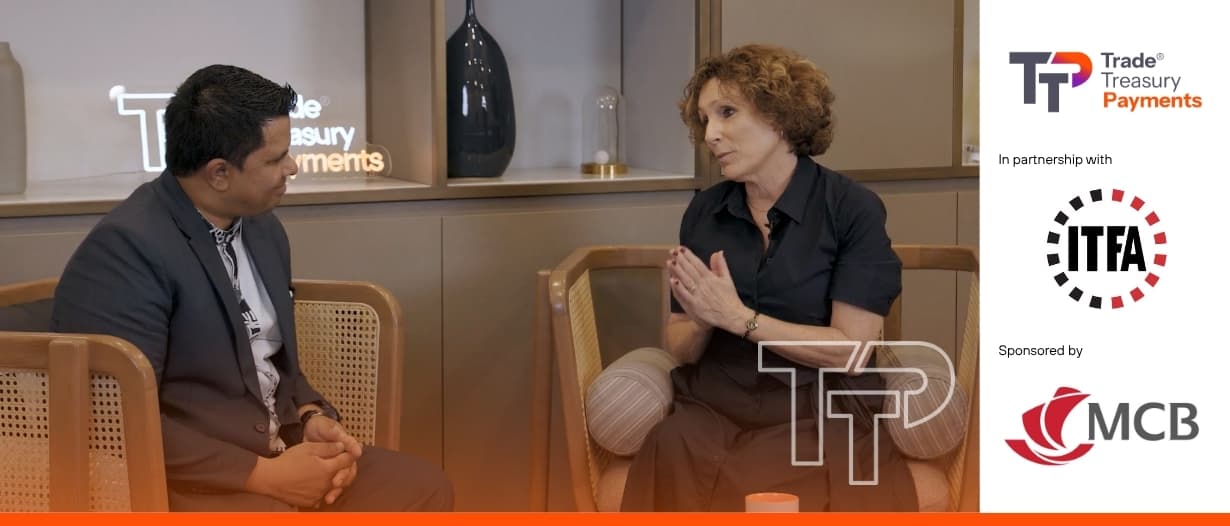
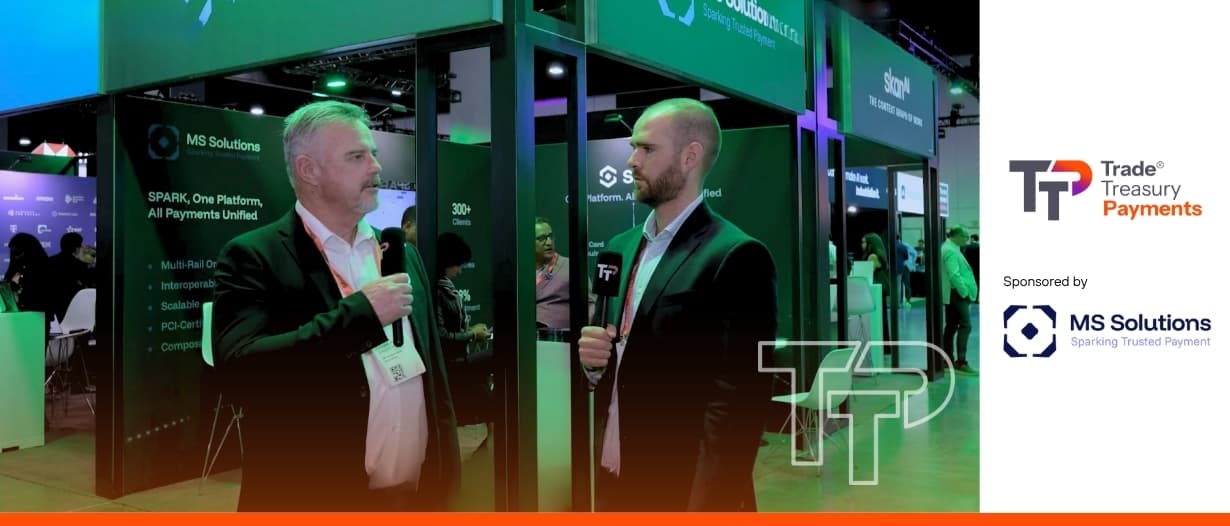
At the 29th ITFA America’s Annual Meeting in Miami, Trade Treasury Payments (TTP) spoke with Mauricio Vergara, Co-founder and CEO of Kapwork, about how fraudsters are changing the invoice fraud game using artificial intelligence and why the same technology could be the key to combatting it.
Vergara explained that Kapwork was founded after he and fellow co-founder Pete Thomas identified the industry’s reliance on self-attested data as a growing weakness in the receivables finance market. The issue, in contemporary times, is that AI has made it exponentially easier to generate convincing fake invoices and supporting documentation, as the duo’s live demo during the conference sessions exhibited. Thankfully, it also offers new ways to automate verification and reduce fraud.
Vergara said, “What we saw then was how AI in itself would enable two different things. One is defrauding funders because they can easily generate not only fake invoices but all of the information around them. On the other side, you can use technology to bring the process of invoice verification from the front end to the back end, essentially reducing the invoice verification cost and reducing fraud.”
A string of high-profile fraud cases have drawn greater attention to the issue, with fraudsters increasingly using AI to create more sophisticated documentation. While many funders are understandably concerned, Vergara believes the industry is approaching a turning point similar to previous advances in credit underwriting, where new technologies will ultimately expand the market.
Vergara said, “Yes, it is true that everyone is panicking and we’re going through a little bit of a transition, but the reality is all of these things are counterbalanced precisely because you can use the same tools to counter them and ultimately grow the market.”
One of the biggest opportunities lies in reducing the cost of invoice verification. Manual verification, where human eyes pore over every document searching for inconsistencies, can make financing smaller invoices uneconomical, which limits the access to funding for many smaller businesses. By automating much of the verification process, however, AI has the potential to make lower-value receivables commercially viable for funders.
Vergara said, “If you do the whole process automatically, then it opens up the market to invoices that are $100 or more. I think the industry is very concerned, as they should be. But I also think it’s really important to keep in mind that this is opening up opportunities for vendors like ourselves to provide solutions that ultimately will help grow the overall size of the industry.”
Key Topics
- Artificial intelligence is enabling fraudsters to create more convincing fake invoices and supporting documentation while simultaneously offering tools to automate verification and reduce fraud.
- Manual invoice verification requires significant human effort, making the financing of smaller or lower-value invoices economically unviable for traditional funders.
- Automating invoice verification using AI technology can reduce verification costs and expand access to receivables financing for smaller businesses and lower-value transactions.
- The receivables finance industry is at a turning point where new technologies that pose fraud risks also provide countermeasures that will ultimately grow the market.
Expert Analysis
Mauricio Vergara, Co-founder and CEO of Kapwork, argues that whilst AI has made invoice fraud more sophisticated and widespread, the same technology provides the countermeasures necessary to expand the market. He contends that shifting invoice verification from manual to automated processes will reduce costs and make lower-value receivables commercially viable, ultimately growing the sector. Vergara believes the industry is experiencing necessary transition comparable to previous technological advances in credit underwriting, and that technology vendors will be instrumental in driving this expansion.
Key Findings
- Kapwork was founded to address the receivables finance industry's structural reliance on self-attested data, which has become increasingly vulnerable to AI-generated fraud.
- AI-powered invoice verification can reduce costs sufficiently to make financing of invoices valued at £100 or more commercially viable.
- High-profile fraud cases have intensified industry concern, but technology providers believe the same tools used to commit fraud can be repurposed to counter it.
Implications
- Funders must invest in AI-driven verification solutions to remain competitive and mitigate fraud risk, effectively raising the technological and operational baseline for the sector.
- Smaller businesses and lower-value transactions may gain access to receivables financing previously denied to them, potentially reshaping the market structure and competitiveness of the sector.
- The transition period will likely see fraud losses spike before automated verification systems are widely adopted and mature, creating short-term financial and reputational risk.
- Platforms that can provide reliable AI-powered verification will be positioned to capture significant market share as the industry pivots away from manual processes.