





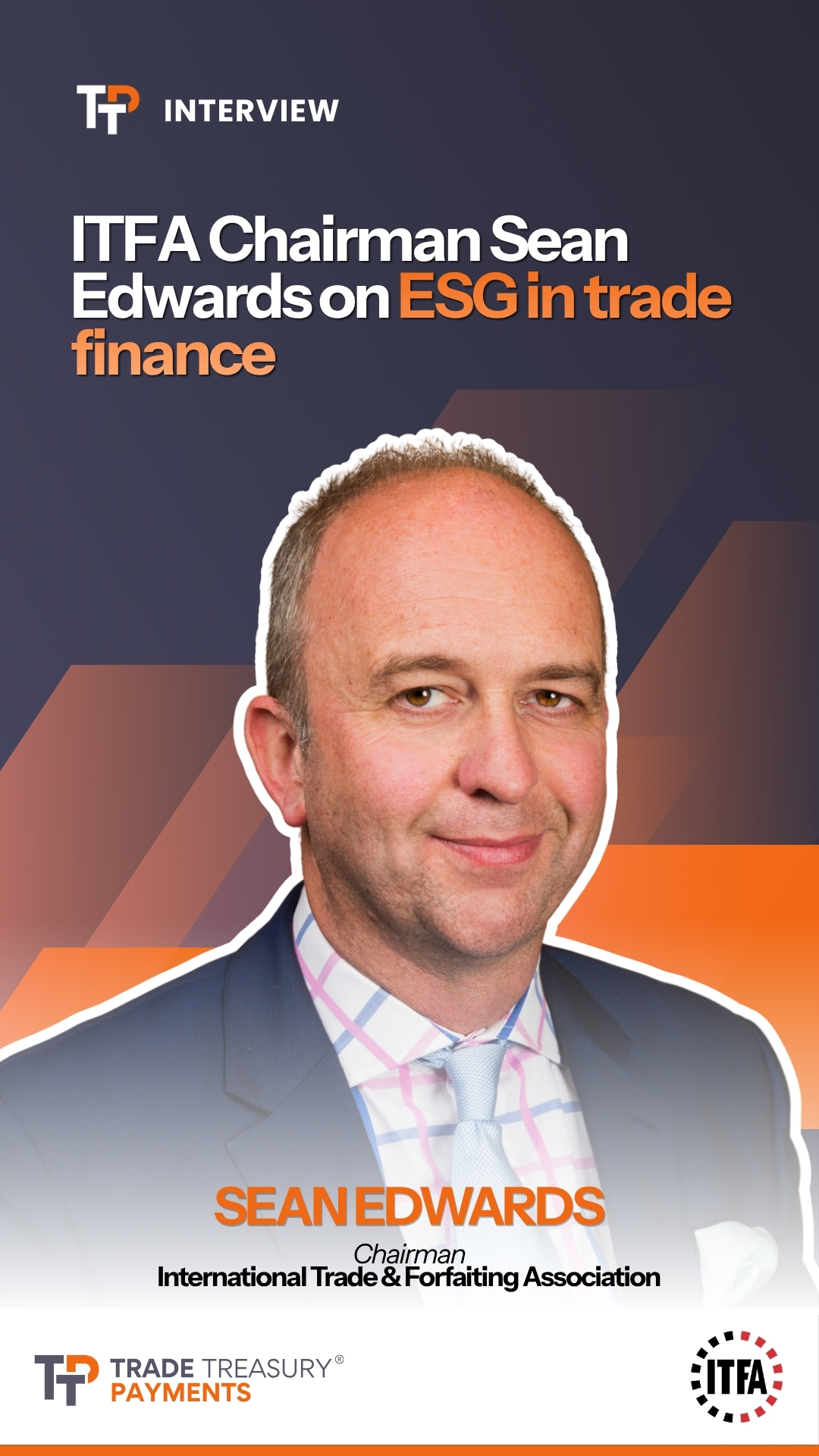
ITFA Chairman Sean Edwards on ESG in trade finance
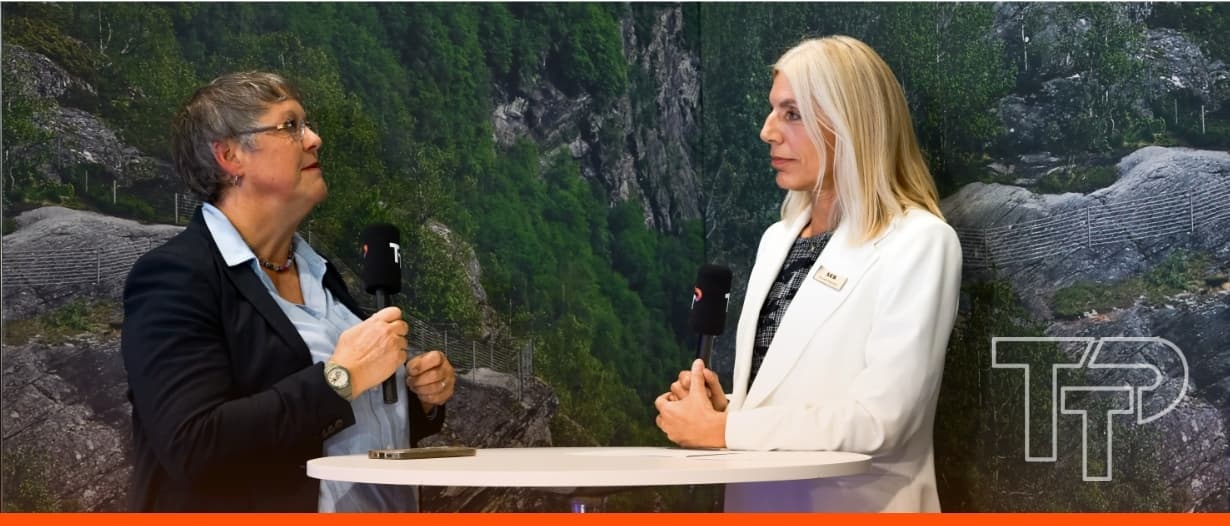
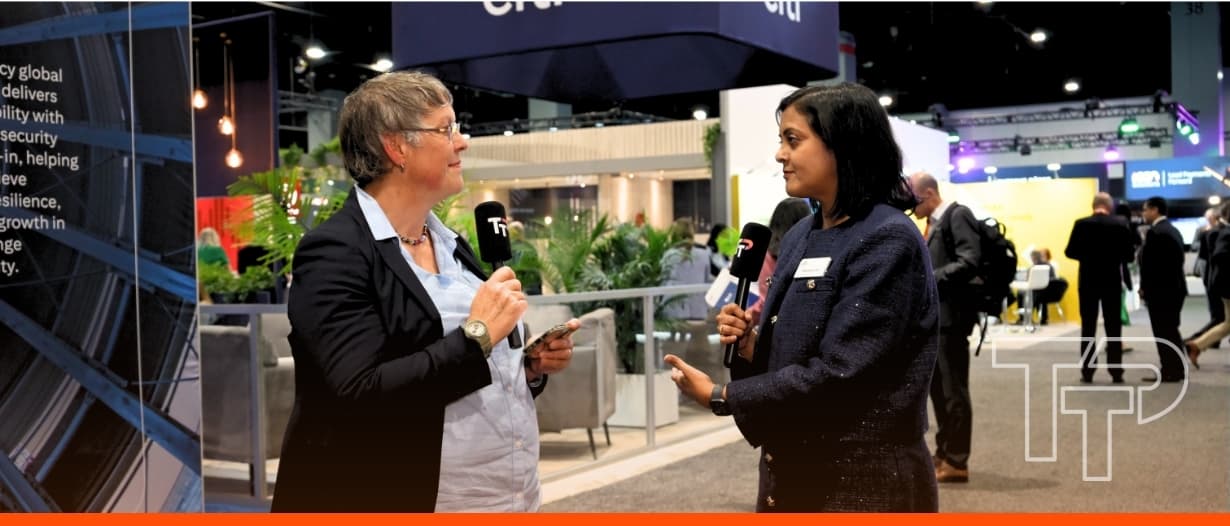
In this video, Sean Edwards explores the growing importance of environmental, social and governance (ESG) factors in trade finance. He explains how these considerations are becoming central to decision making for both businesses and financial institutions.
The discussion reflects a wider shift in the industry, with greater emphasis on sustainability and responsible business practices. Edwards looks at how trade finance is adapting to these expectations, as well as the practical challenges involved in embedding ESG into existing frameworks.
He also highlights the opportunities this presents, from improved risk management to stronger relationships with stakeholders. Overall, the video offers a clear and timely perspective on why ESG now matters in trade finance and how it is shaping the future of the sector.
Key Topics
- ESG in trade finance and how it is evolving in practice
- Changing regulations and growing uncertainty across global markets
- Measuring impact through Social Return on Investment
- The balance between environmental and social priorities
- ESG challenges and opportunities in emerging markets, particularly Africa
Key Insights
Expert Analysis
Sean Edwards, Chairman of PITFA, offers a clear view of where ESG stands today in trade finance. While there has been growing debate, particularly in the United States, and some reassessment of rules within the European Union, ESG itself is not disappearing. Instead, the way it is applied is evolving. One of the main challenges facing the market is the sheer number of frameworks and standards. This has created a fragmented landscape that can be difficult for firms to interpret and apply consistently. In response, PITFA is developing a Social Return on Investment model in partnership with Dr Rebecca Harding. The aim is to provide a practical and cost effective way for firms to assess their ESG impact at the level of individual transactions. A key point raised by emerging market participants, especially in Africa, is the lack of focus on the social aspect of ESG. While environmental factors are supported by established data and scientific models, social impact is often harder to define and measure. Yet it remains essential. Trade and investment flows that create employment and support development can deliver significant long term value, even where there are short term environmental trade offs. Edwards’ view is that ESG must be approached in a balanced way. Firms cannot ignore it, but they also need tools and frameworks that reflect real world complexity. The focus now should be on making ESG more practical, measurable and relevant to everyday trade finance activity.— Sean Edwards
Key Findings
- ESG frameworks are being adjusted rather than abandoned
- Many firms are dealing with uncertainty due to overlapping standards
- The social component of ESG is still underdeveloped but increasingly recognised
- There is growing interest in transaction level measurement of ESG impact
- Trade finance continues to deliver both economic value and broader social benefits
Implications
- Firms will need to stay flexible as ESG expectations continue to change across different regions
- Practical measurement approaches such as SROI are likely to gain wider adoption
- Social impact may play a larger role in shaping financing decisions, particularly in developing markets
- Financial institutions will need to balance sustainability goals with economic growth and development needs
- Greater coordination across the industry could help reduce confusion and improve consistency
Key Takeaways
- ESG remains an important and lasting part of trade finance
- The current landscape is complex and can be difficult to navigate
- Social impact deserves greater attention alongside environmental considerations
- Simple, usable measurement tools are essential for wider adoption
- Trade finance has a key role to play in supporting both sustainability and development