



About This Vedio
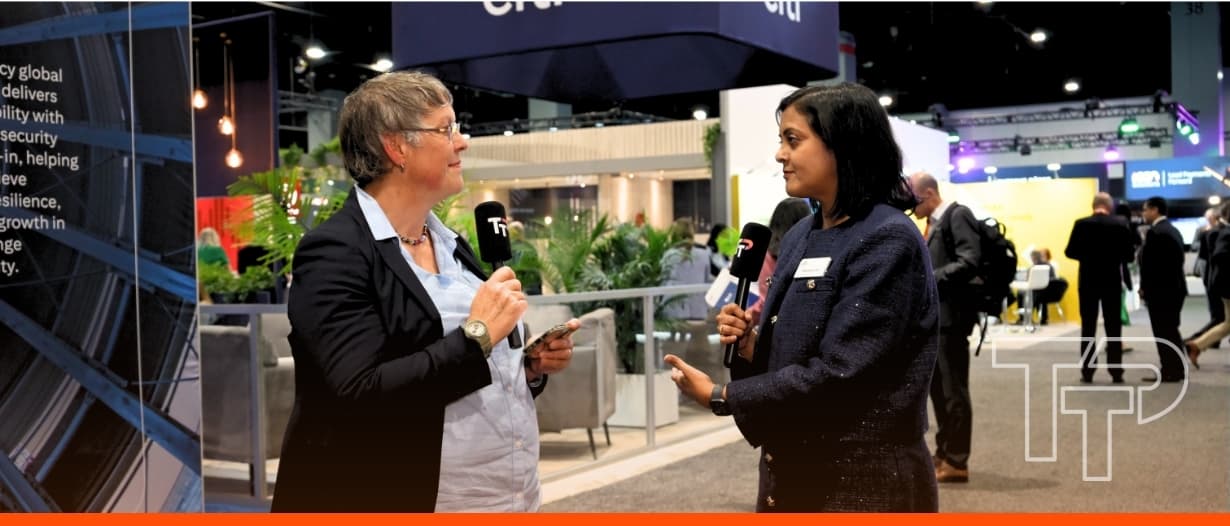
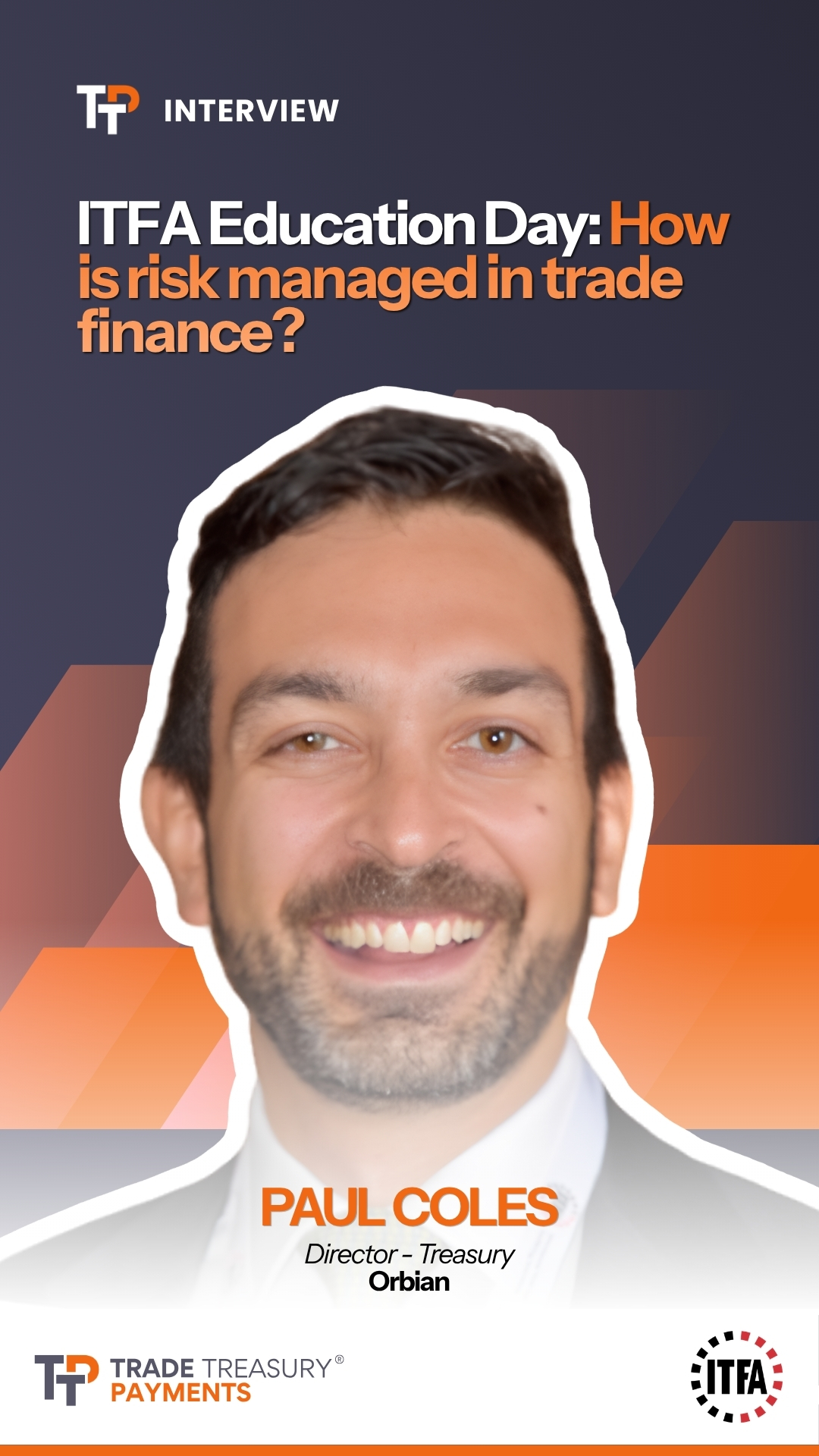
💡 As part of the TTP TV Education Series, we hear from Paul Coles, ITFA Board Member and Chair of the Market Practice Committee, as he explains why credit risk remains the biggest challenge for institutions — and the toolbox of solutions available, from insurance and participations to securitisations and institutional investment.
🎙️ Recorded in partnership with ITFA Education Day, held in London.
Key Topics
- Credit risk mitigation in trade finance
- The role of insurance and secondary markets in managing risk
- Growing participation of institutional investors in trade finance
Key Insights
Credit risk remains the primary concern
Credit risk remains the most significant concern, particularly around whether obligors can meet their payment obligations
Strong processes reduce operational and compliance risks
Compliance, KYC and operational risks are largely manageable through strong processes and internal controls
Risk distribution strengthens market resilience
A well developed ecosystem of banks, insurers and investors helps distribute risk more effectively across the market
Expert Analysis
Paul Coles, Board Member at ITFA and Chair of the Market Practice Committee, explains that credit risk continues to sit at the heart of trade finance. At its core, this risk is about the ability of an obligor to honour its commitments, making it both the most visible and the most critical challenge for institutions. While other risks such as compliance and operational exposure can be addressed through robust procedures and oversight, credit risk requires a broader and more flexible approach. Coles points to the strength of the secondary market, where banks can share exposure through participations, as well as the established role of insurance in providing additional protection. He also notes the growing interest from institutional investors, which is opening up new avenues for funding trade finance assets. In larger or more complex transactions, tools such as syndication and securitisation can play an important role, though they come with their own considerations. Ultimately, the ability to draw on a range of risk management tools allows institutions to respond to different situations with greater confidence and precision.— Paul Coles
Key Findings
- Active secondary markets and insurance solutions play a vital role in mitigating credit risk
- Operational and compliance risks can be effectively controlled through well designed processes
- Syndication and securitisation offer practical solutions for larger and more complex deals
Implications
- Improved access to risk transfer tools can support greater liquidity and lending capacity
- The rise of institutional investors will drive the need for clearer, more standardised structures
- Strong credit risk frameworks remain essential to maintaining trust and stability in the market
Key Takeaways
- Credit risk remains the central issue in trade finance and demands careful management
- Insurance and secondary markets are key to spreading and reducing risk
- A flexible approach, supported by a range of tools, allows institutions to manage exposure more effectively