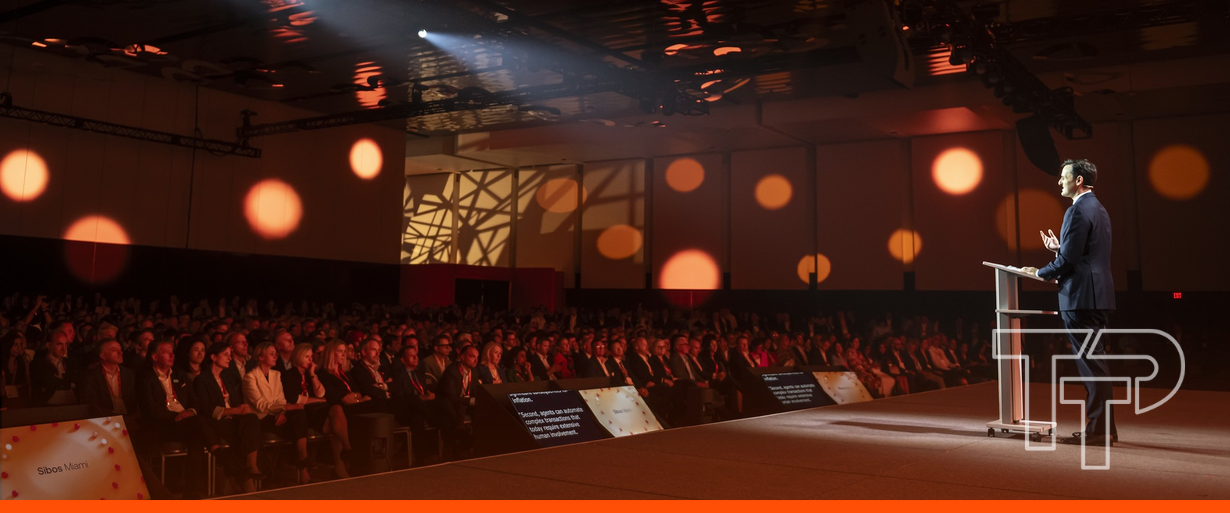
Miami, United States. Cleareye.ai has launched a white paper at Sibos 2026 in Miami, co-authored with Trade Treasury Payments (TTP) and written by Chandrasekhar Somasekhar, its Chief Technology Officer. The AI-Native Trade Bank: How Artificial Intelligence Is Rebuilding Trade Finance draws on three live deployments of the company’s platform, at a Tier-1 US bank, a leading UAE bank and a leading UK bank, all in production today.
Trade banking essentially runs on one clause from Article 5 of UCP 600, a rulebook the ICC has revised six times since 1933: banks deal with documents, not with goods, Somasekhar writes. A bank never sees the shipment it is paying for; it sees an invoice, a bill of lading, a certificate of origin and an insurance document, and has to decide whether they describe the same consignment on the same terms. A trade bank, in his words, is “a professional reader”.
A simple transaction takes about 75 minutes to process and a complex one about 105, the paper notes. “World trade in goods and services reached US$34.89tn in 2025, up 8 per cent, and the UAE’s non-oil foreign trade grew 27 per cent, to AED 3.8tn. A production line goes at the speed of its slowest manual step, and growth like that can mean a longer queue or cutting corners.”
Its four steps, extraction, standardisation, enrichment and reasoning, weigh documents against outside data, vessel tracking, price benchmarks, sanctions lists, before returning a disposition and the evidence for it.
The paper cites a leading UAE bank, that runs every transaction through a five-stage agentic workflow, removing more than 1.2 million redundant screening requests a month. At a Tier-1 US bank, more than 147,000 trade-compliance reviews a year now run through one workflow, a 24 per cent reduction in turnaround with no added headcount and a full digital evidence trail behind every decision.
None of this takes the examiner out of the decision, the paper stresses. What changes is what the examiner does all day: less assembling the picture, document by document, and more judging a picture already assembled. The judgement stays with the person.
The trade bank that gets this right, the paper concludes, ends up closer to a network than a pipeline: specialised agents each doing the work it is suited to, a shared transaction record operations and compliance both trust, and a human at the one point judgement cannot be replaced. Banks deal in documents. The AI-native trade bank still deals in documents. But now it is reading them.
The full white paper is available from https://tradetreasurypayments.com/publications/the-ai-native-trade-bank-how-artificial-intelligence-is-rebuilding-trade-finance/.