
By Deepesh Patel, Managing Director and Editor-in-Chief, Joy Macknight, Transaction Banking and Payments Editor
This year’s trade winners show corporates taking the lead on how their trade is financed. From a 90-day supply chain finance migration in Poland to digital guarantees across a whole banking network.
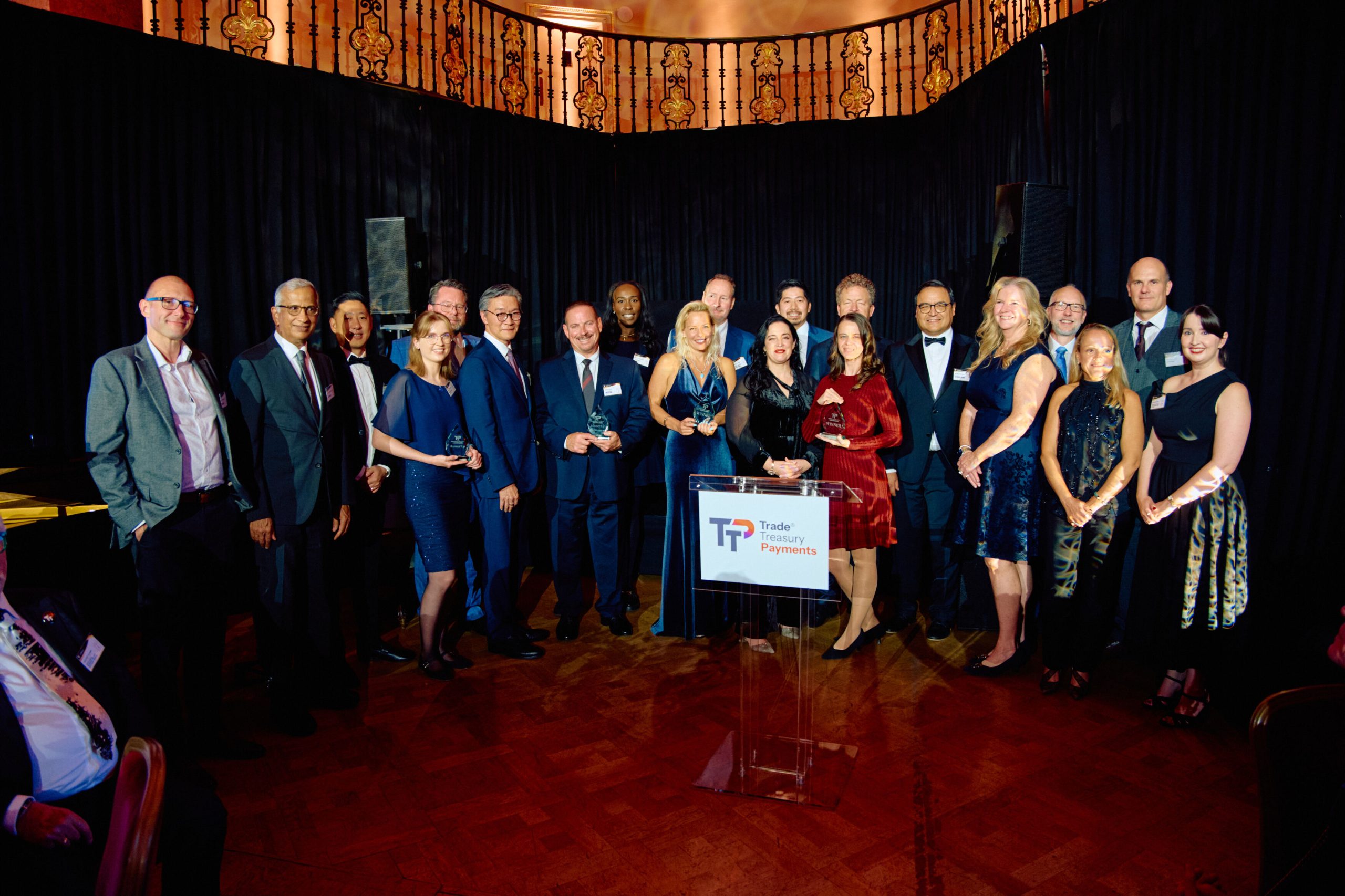
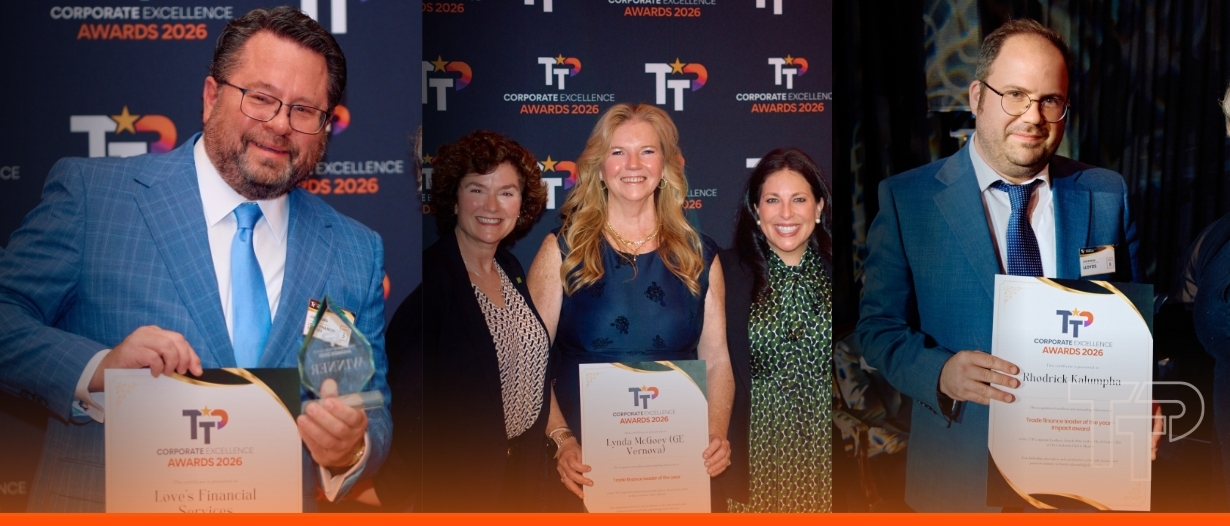
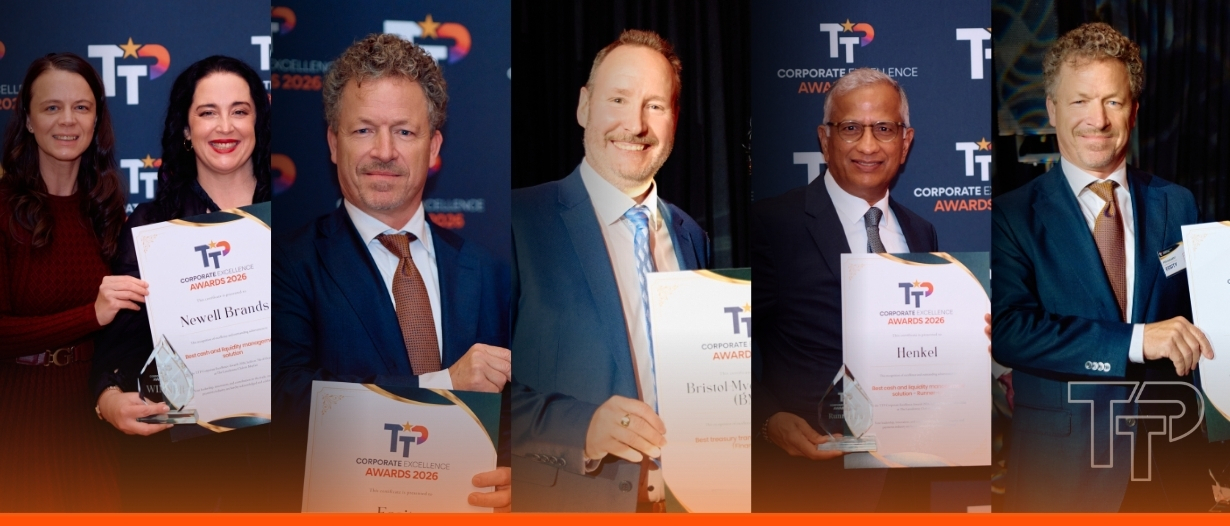
The inaugural TTP Corporate Excellence Awards, The Lansdowne Club, London, Wednesday 7 October 2026.
On Wednesday 7 October, Trade Treasury Payments (TTP) held its first Corporate Excellence Awards at The Lansdowne Club in Mayfair. Banks and fintechs are familiar names on awards lists. TTP’s awards put their corporate clients at the centre instead.
TTP received 188 submissions. Entries were anonymised, with banks and vendors redacted, and judged blind by 22 members of TTP’s Global Advisory Panel. At least four judges scored each entry against five criteria: innovation, impact, collaboration, sustainability and scalability.
Best Use of Supply Chain Solutions
Winner: Asahi Europe & International
Asahi Europe & International moved its supply chain finance programme to Citi in 90 days, covering all entities and roughly 400 suppliers. The migration ran alongside its move to SAP S/4HANA.
The previous programme, provided by a fintech without its own banking infrastructure, had reached its limits. Many Polish suppliers were excluded, particularly sole proprietors, while separate funders carried out their own KYC checks.
Under the new arrangement, discounted and non-discounted invoices are handled through the same infrastructure. Direct debit has replaced manual collection, and suppliers go through a single KYC process. The programme now includes sole proprietors and suppliers operating under Poland’s split VAT regime, both of which had previously been excluded. Treasury, Shared Services and Procurement have also seen fewer exceptions and less rework.
The judges were impressed by the degree of difficulty: a new architecture, a new supplier category and a major ERP migration, all without disrupting a single supplier payment.
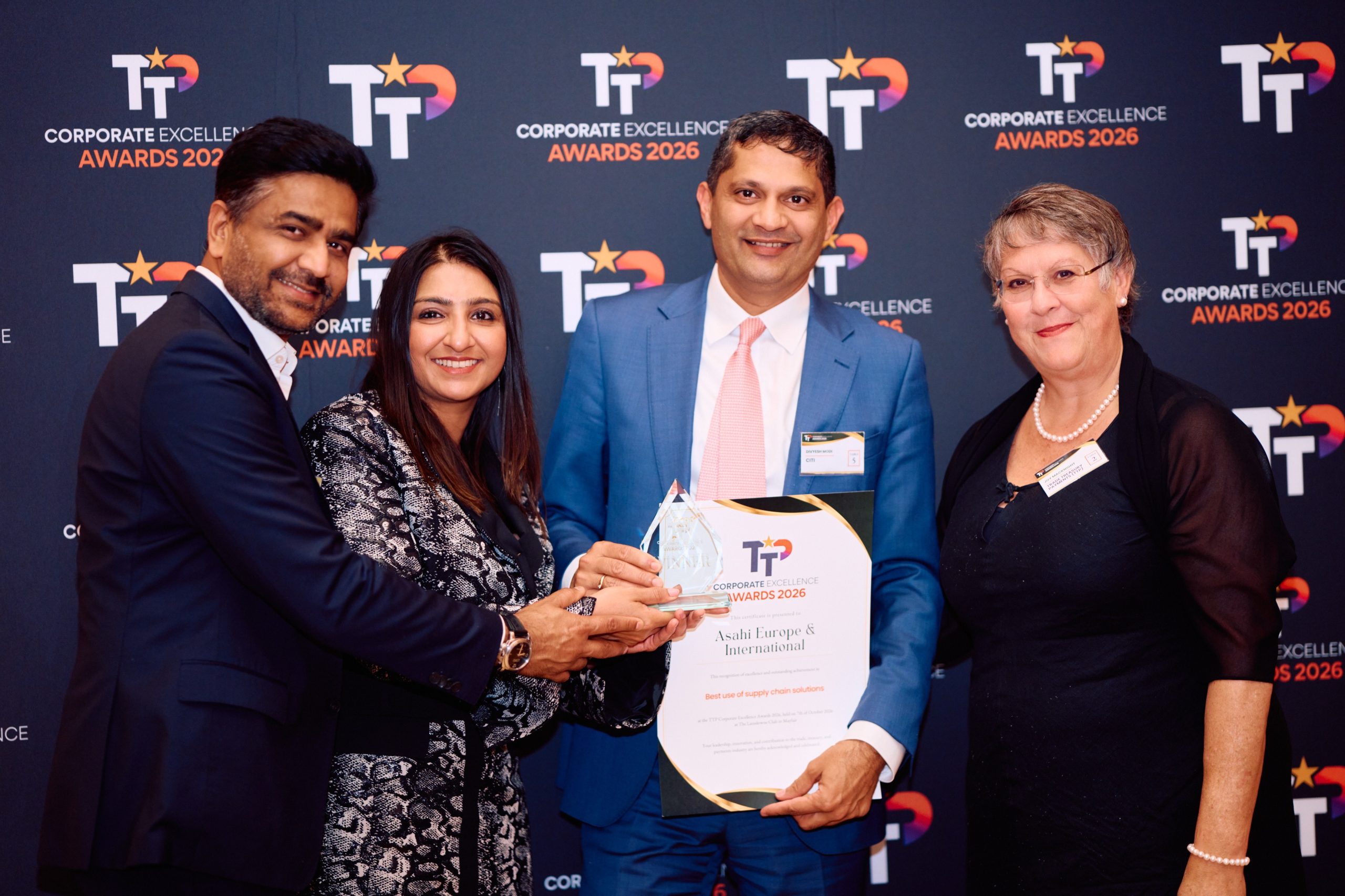
Asahi Europe & International, winner, Best Use of Supply Chain Solutions.
Runner-up: Octopus Energy
Octopus Energy was commended for a working capital solution, delivered with cflox and a host-to-host connection with Deutsche Bank, that extends payment terms without asking suppliers to wait a day longer. cflox pay sits as the final gatekeeper on Octopus’s existing payment runs, so suppliers are still paid in full and on time. There was no supplier onboarding, no supplier KYC and no ERP change, and the programme went live within weeks. Octopus and cflox now plan to extend it across EMEA to help fund Octopus’s EV and green infrastructure investment.
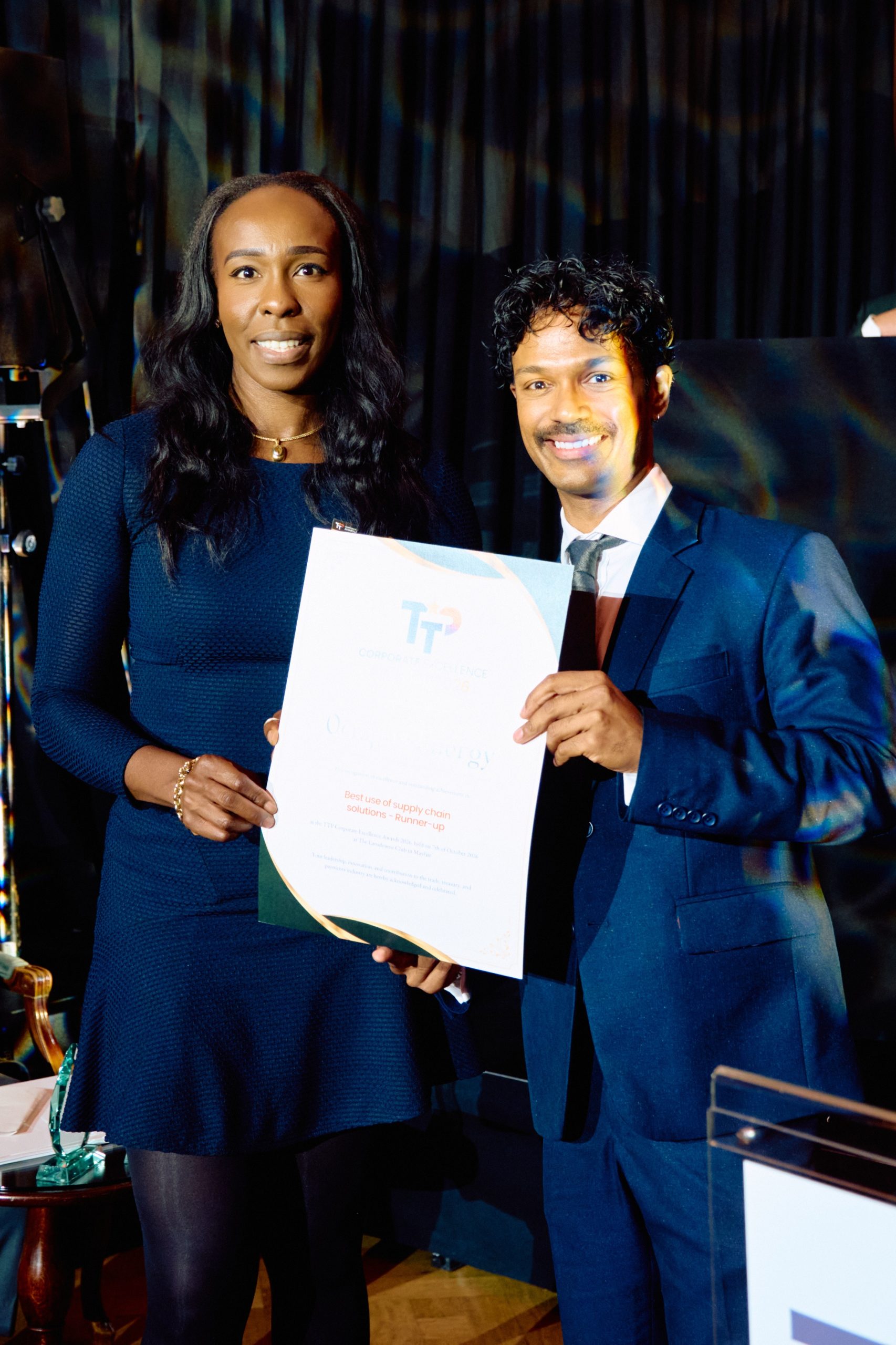
Octopus Energy, runner-up, Best Use of Supply Chain Solutions.
Best Use of Working Capital Solutions
Winner: Vishay Intertechnology Asia
Vishay Intertechnology Asia won for a receivables purchase programme, structured with J.P. Morgan, that uses money tied up in customer invoices to help fund investment elsewhere in the business.
The off-balance-sheet programme covers receivables from 67 buyers across Asian markets, in US dollars and euros. Receivables of up to 120 days can be converted into cash without adding financial debt. In the fourth quarter of 2025, days sales outstanding fell from 53 to 48.
The judges also singled out an auto-debit collection mechanism, described in the entry as a first for the Asian market. It uses existing banking infrastructure, with no change to how customers pay.
The proceeds are upstreamed to help fund Vishay’s global capital expenditure. In other words, the programme does more than release working capital: the cash goes back into the business to fund long-term investment. Vishay also won the overall Corporate of the Year award, covered in the third article in this series.
Runner-up: Şişecam
Şişecam executed the first financed Working Capital Note (WCN), putting a digital negotiable instrument into use across its global treasury in 10 working days. Financed by İşbank UK in December 2025 and delivered through Faturalab using ETR Digital’s Flownote technology, it was the first transaction under a global supplier finance facility of up to US$250 million. Across 43 production facilities in 12 countries, suppliers can be paid up to 28 days early while Şişecam extends its own settlement terms, all without changing accounts payable workflows. The judges were impressed that the instrument had moved into live use rather than remaining a pilot.
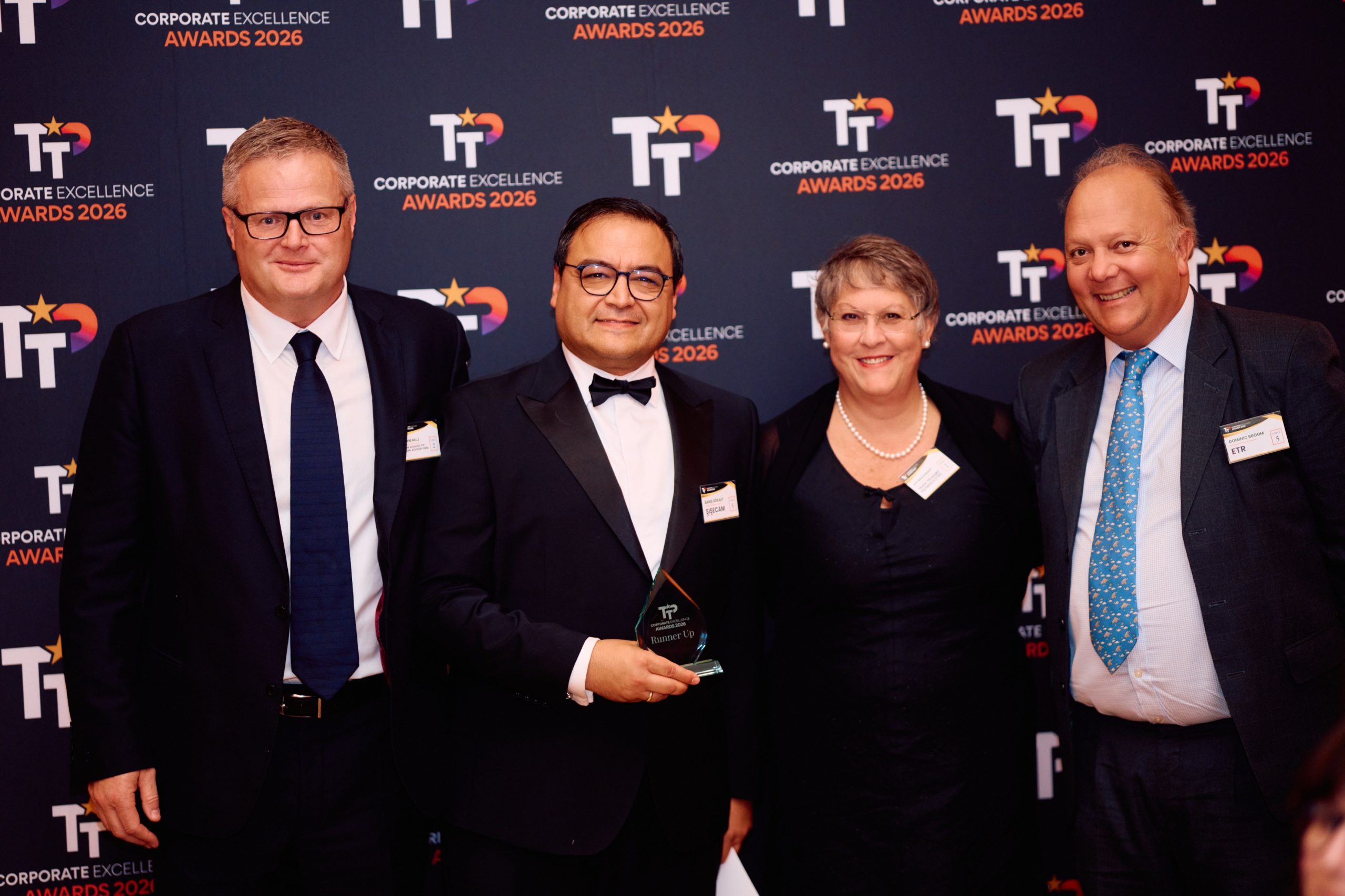
Şişecam, runner-up, Best Use of Working Capital Solutions.
Best ESG or Sustainable Trade Initiative
Winner: CIEL Textile
CIEL Textile won for work spanning its products, operations and supply chains across Mauritius, Madagascar, India and Bangladesh, under its “Winning Well, Altogether” philosophy.
Its Sustainable Supply Chain Finance programme was developed with MCB and aligned to the International Chamber of Commerce’s Standards for Sustainable Trade. It links suppliers’ sustainability performance directly to their access to finance. Floreal International and Ferney Spinning Mills were the first beneficiaries, and the model has opened new inter-African trade routes, financing textile exports from Madagascar and Mauritius to buyers in South Africa.
CIEL Textile employs more than 22,000 people across four countries. Its wider sustainability work includes programmes supporting women into leadership, vocational training for young people and the inclusion of people with disabilities. It has also developed ironless shirts designed to reduce energy use and, in Madagascar, is turning textile waste into briquettes for alternative energy.
The judges valued its refusal to treat sustainability as a cost centre: by tying financing to verified performance, CIEL Textile rewards responsible practice across its whole supplier base.
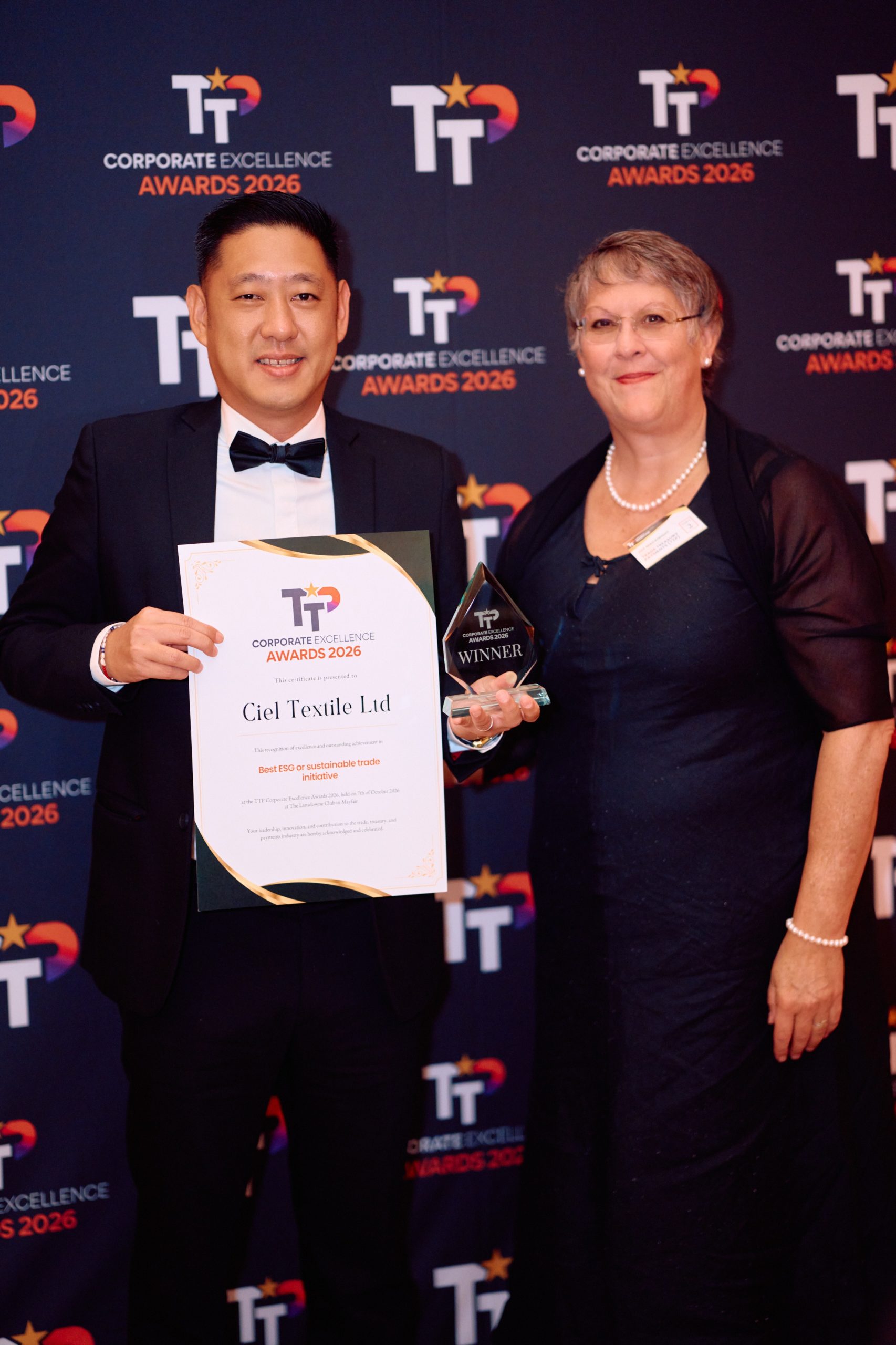
CIEL Textile, winner, Best ESG or Sustainable Trade Initiative.
Runner-up: ADM Agriculture
ADM Agriculture was commended for a digital supply chain finance programme, built with Lloyds, for UK growers and agricultural suppliers whose seasonal cash flows can make conventional programmes a poor fit. . Growers get optional early payment on approved invoices and clearer visibility of what is coming in, without any change to existing trading relationships. More than 2,800 supplier invitations have been issued, and growers in ADM’s regenerative agriculture programmes already receive preferential funding rates.
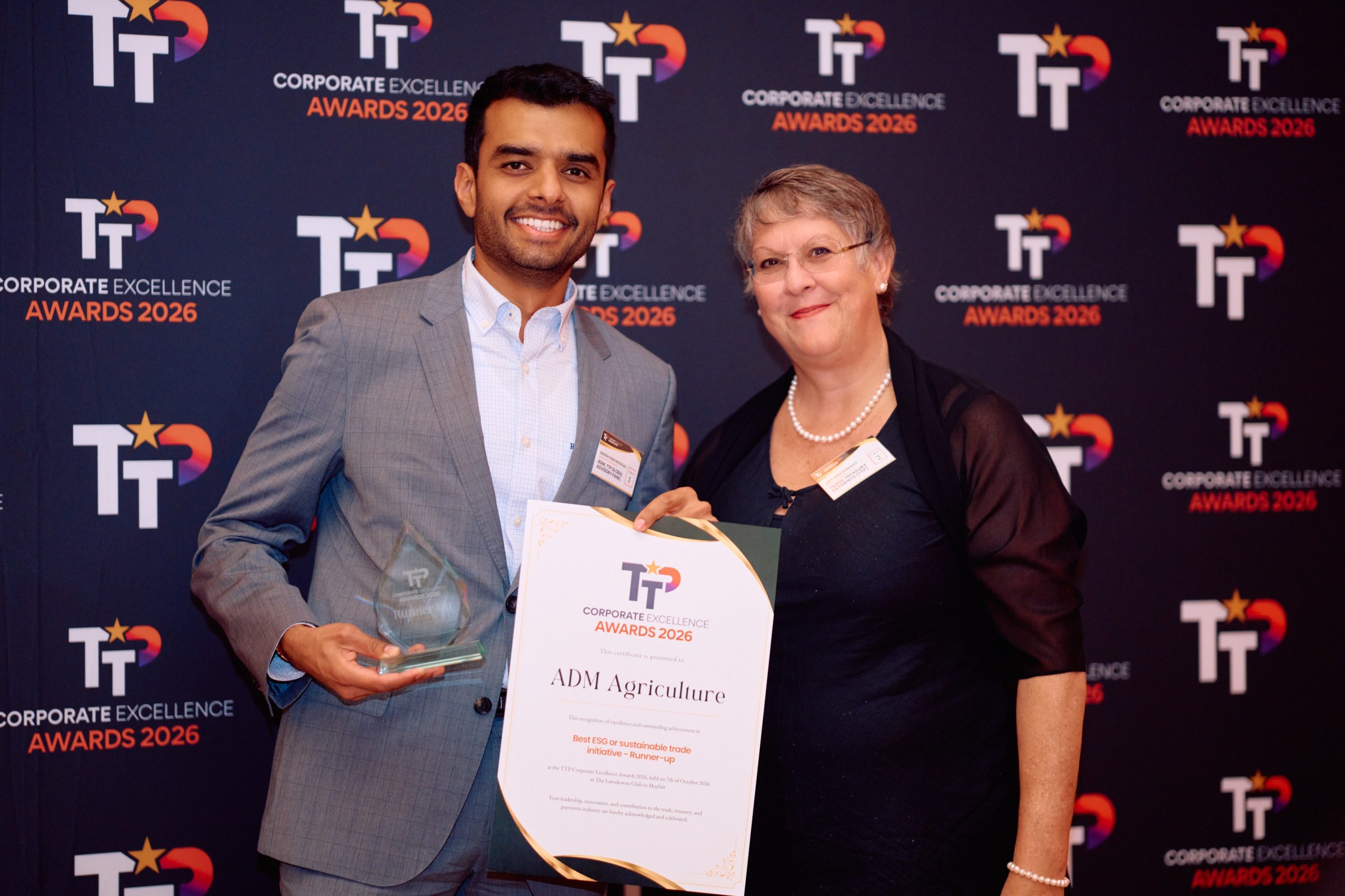
ADM Agriculture, runner-up, Best ESG or Sustainable Trade Initiative.
Best Digital Trade Initiative
Winner: Brückner Group
Brückner Group won for moving its guarantees and letters of credit from fragmented, paper-heavy processes to one digital model across its entire banking network.
The industrial machinery group used to work with seven different bank application forms, each with its own format and route. A single guarantee could mean several documents, repeated data entry and a long email trail. From 2024, Brückner implemented EBICS connectivity and a digital trade finance platform with UniCredit, then extended the same standardised approach to its other banks rather than treating it as a one-bank pilot. The entry was nominated by Mitigram.
Around 90 per cent of guarantee and letter of credit communication now runs digitally, with every trade finance workflow digitised apart from the mandatory paper presentation of original L/C documents. Manual processing has fallen by 60 to 70 per cent, guarantee processing times by around 70 per cent, and submission errors by around 90 per cent.
The judges highlighted Brückner’s decision to standardise its own process rather than adapt it for each bank, allowing new banking partners to be added without another redesign.
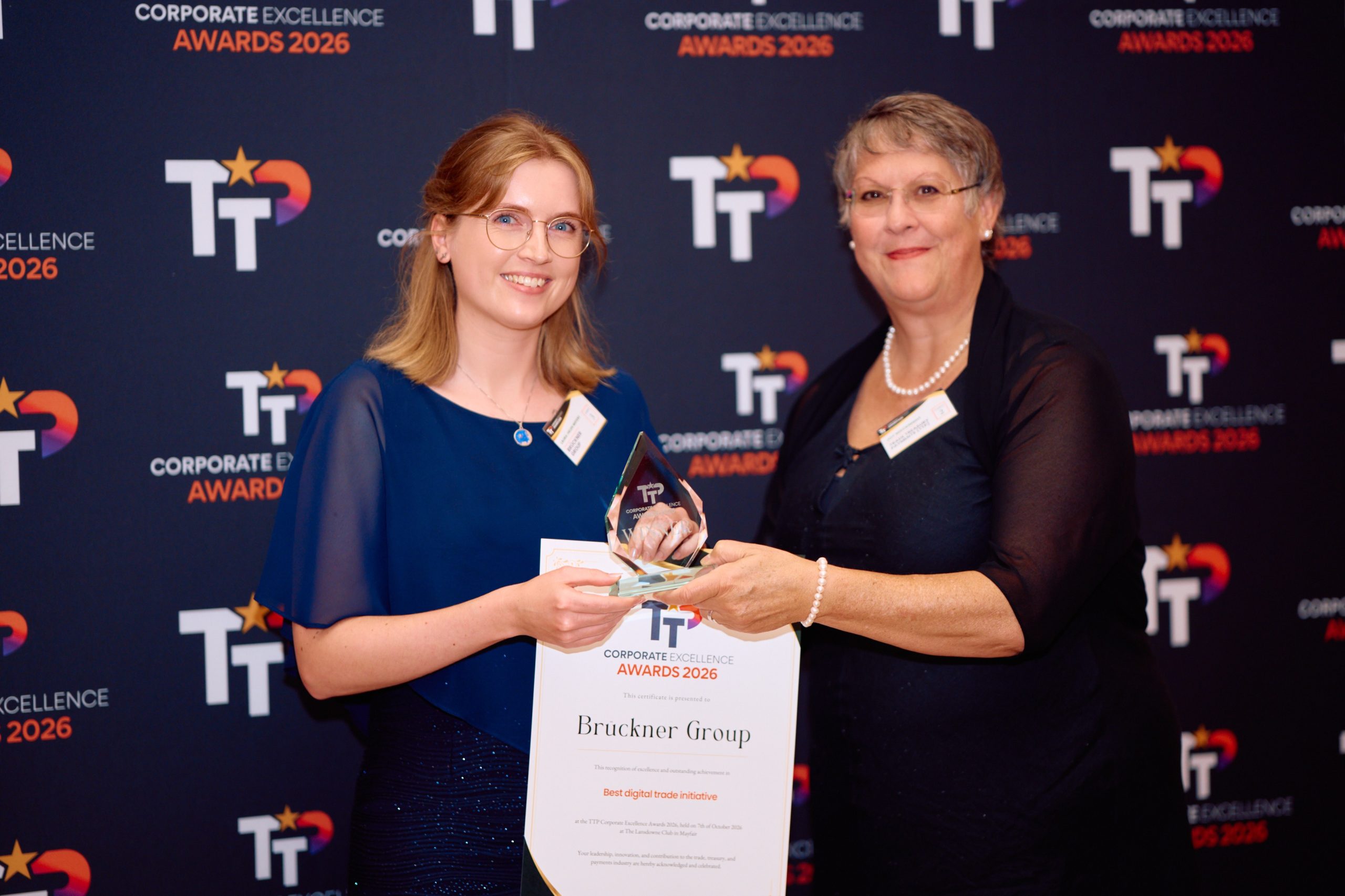
Caption: Brückner Group, winner, Best Digital Trade Initiative.
Runner-up: European Metal Recycling (EMR) Group
EMR was commended digitising documentary collections that had previously relied on paper bills of lading being couriered between continents. Working with Lloyds, MSC and WaveBL, EMR now uses electronic bills of lading issued by MSC on WaveBL’s platform. More than 70 transactions with counterparties in India have been completed, cutting a process that took around two weeks to as little as 24 hours. As Sarah Hammill, EMR’s Documentation Manager, put it: “Activities that previously took days or even weeks can now be completed in hours.”
European Metal Recycling (EMR) Group, runner-up, Best Digital Trade Initiative.
Corporate of the Year in Trade
Winner: Asahi Europe & International
The judges named Asahi Europe & International Corporate of the Year in Trade following its 90-day move of its supply chain finance programme to Citi.
The project covered all entities and roughly 400 suppliers while Asahi was also migrating to SAP S/4HANA. It brought previously excluded Polish suppliers into the programme, including sole proprietors and those operating under the country’s split VAT regime, while reducing cross-border payment costs and manual work across Treasury, Shared Services and Procurement.
The judges highlighted the speed and scale of the migration, particularly given the ERP work taking place at the same time.
The next article in this series covers the Corporate Treasury Awards.