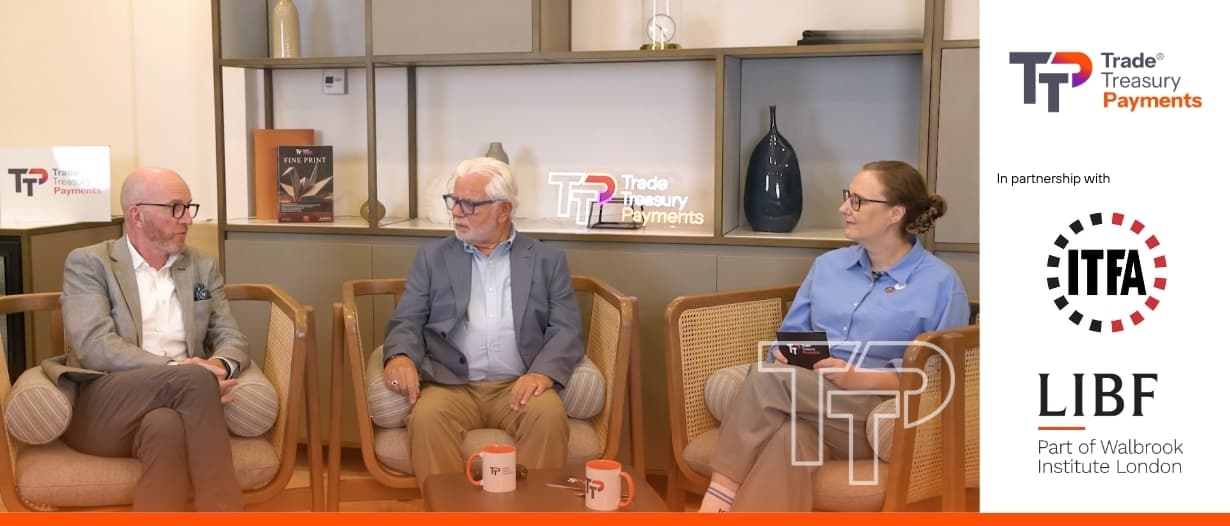
About This Video
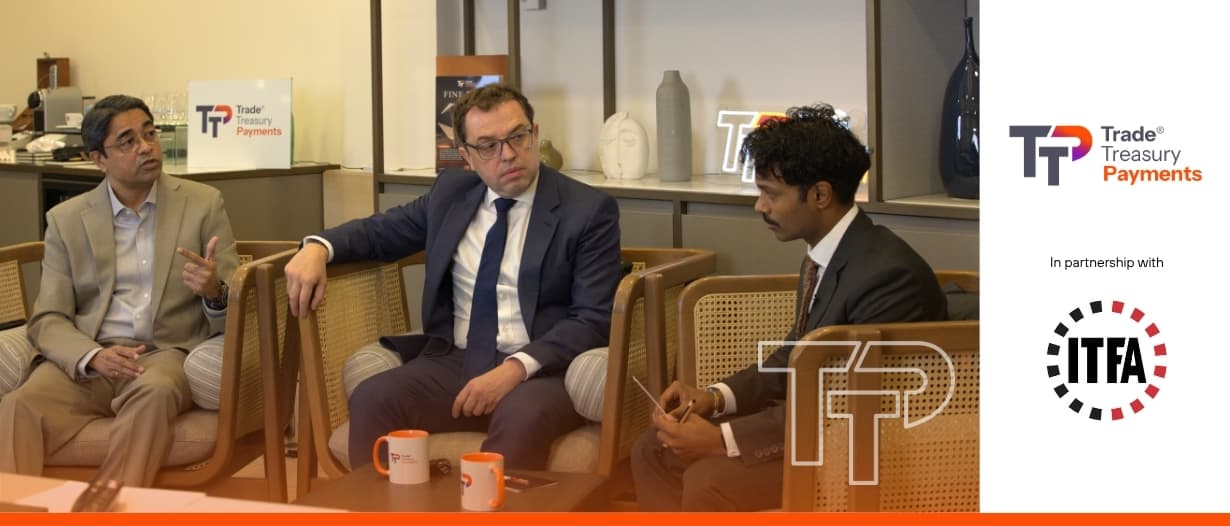
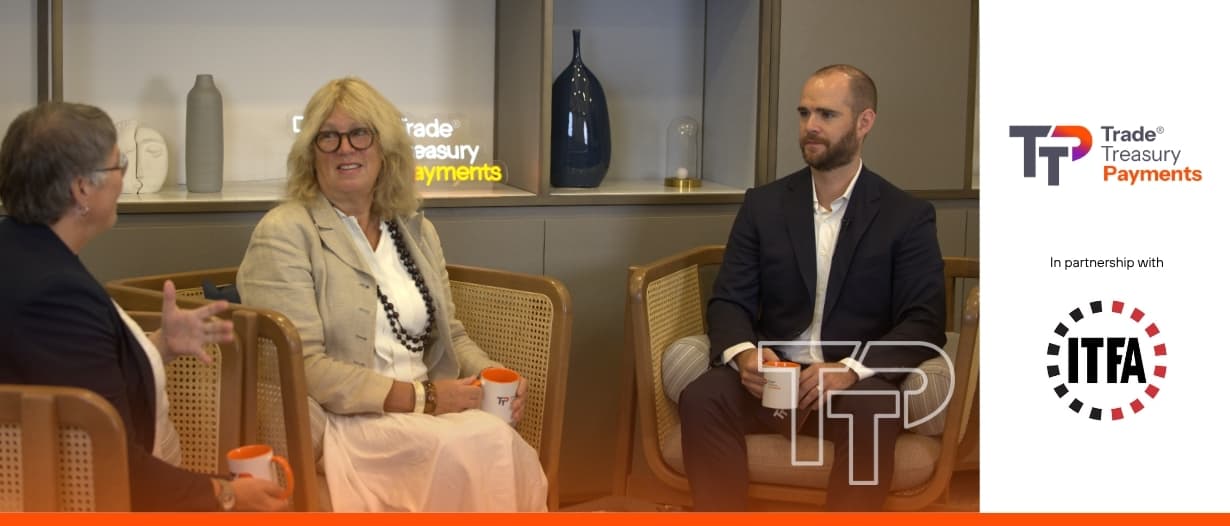
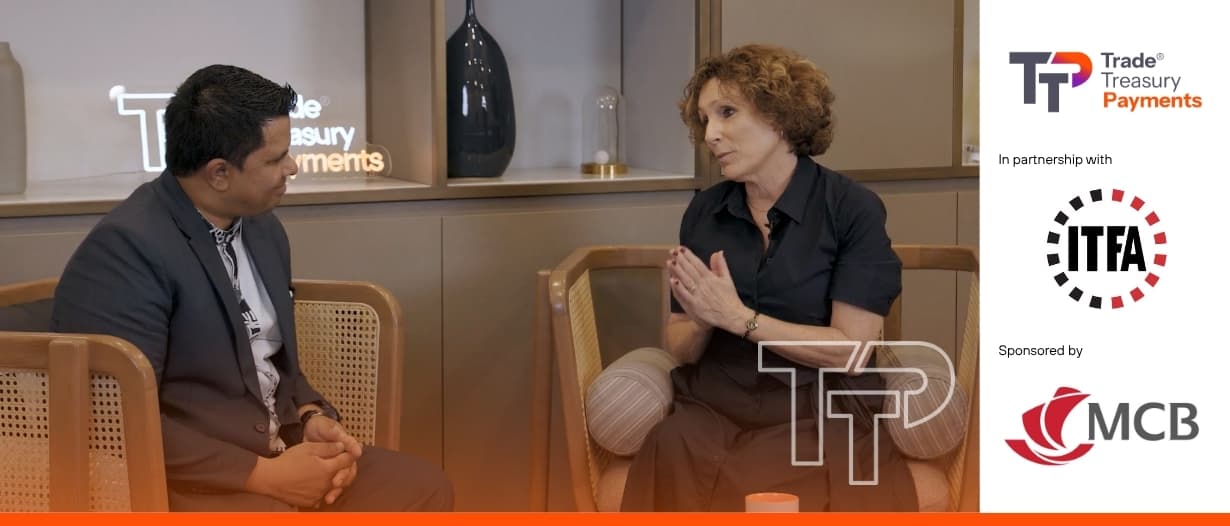
In Tashkent, momentum is building around factoring and receivables finance. At a joint FCI–IFC conference held in the Uzbek capital, Betul Kurtulus (Director at FCI) and Murat Sultanov (Senior Operations Officer at IFC) sat down with Trade Treasury Payments to discuss how the market has evolved since their first event, and why Uzbekistan is now better positioned to launch asset-based finance at scale.
“The market is ready”
“This is our second conference in Tashkent with IFC,” said Betul Kurtulus. “In the last conference and today, I have witnessed the increase of the awareness of the market. I’m quite surprised because the understanding, the demand, and also, most important of all, the support from the regulator and the Centre is very high level, which we’re looking for in every country.”
She added: “Now I’m very positive from what I witnessed… I saw that the market is ready for the factoring and supply chain market products.”
Murat Sultanov agreed: “Actually, IFC has been providing support to the Central Bank of Uzbekistan and different stakeholders for the past couple of years. We started this programme with the main focus of unlocking the potential for asset-based finance and factoring in Uzbekistan, based on the diagnostic assessments that we’ve conducted.”
“In the beginning, it was not a very easy journey, because we really had to create a lot of awareness on the part of key stakeholders like the Central Bank, about why these products are so critical for the financial system. But now we’ve seen that the Central Bank has taken concrete steps to promote factoring and receivables finance.”
Legal and regulatory reform
Among the most significant developments has been a presidential decree in 2024, followed by formal amendments to Uzbekistan’s Civil Code in April 2025.
“The government adopted a decree that the President signed last year,” Sultanov explained, “which comprehensively addressed some of the key concerns and plans for the development of factoring operations.”
“This April in 2025, we’ve also seen comprehensive amendments being introduced in the Civil Code of Uzbekistan to really reform the law that governs factoring and receivables finance operations. That has really created a momentum in Uzbekistan for financial institutions to take advantage of.”
According to figures presented by the Central Bank at the conference, factoring in Uzbekistan grew from near zero to “close to 4 trillion soum in value” in a short space of time. “But the potential is even greater,” said Sultanov.
Banks picking up the baton
While traditional factoring is already being adopted by local banks, Sultanov noted that there’s still room to grow.
“It was great to see that banks already picked up on some products like traditional factoring and elements of reverse factoring as well. But I think there’s still a journey they need to go through, for them to be able to structure these programmes and scale them up in the right direction.”
“Quite important is creating further awareness on the part of different stakeholders, whether it’s corporate businesses or MSMEs, and building capacity with financial institutions to understand the way these products can be deployed most efficiently.”
Building the digital infrastructure
Kurtulus pointed to the national supply chain finance platform mentioned in Sultanov’s presentation, asking whether it would be launched at the same time as a receivables recording centre.
“That platform, it’s actually a registry, was already deployed by the Central Bank some years ago,” Sultanov explained. “It’s a secure transactions registry where you can register all types of rights and movable assets.”
“But what we’ve achieved with the amendments in April is that the law now clarified that the same registry should also be used to publicise rights and interests in receivables out of factoring transactions, whether it’s an outright transfer or some kind of pledge or security. All those rights also need to be publicised in the registry so that factoring companies can protect their priority position with regard to third parties.”
Looking ahead, Sultanov said the Central Bank hopes to integrate this secure registry with the upcoming national platform for supply chain finance: “We’re hoping that within the next 12 to 18 months, we will see the launch of the national platform that could help create a more comprehensive technological solution, for all kinds of products, whether it’s factoring, reverse factoring, or other asset-based finance products.”
However, he clarified that the current registry is not designed to store invoice data: “It’s not really a repository of invoices… It’s the building board to reflect for the public the potential existence of the right in the receivable.”
“For that, we need separate receivables recording platforms that the Central Bank is also looking into.”
International collaboration at the heart
Kurtulus closed the conversation by highlighting the partnership between FCI and IFC: “Thank you specifically for the cooperation of FCI and IFC, not only for Uzbekistan but also for other countries that we are trying to support together.”
She added: “Today, what we are seeing in Uzbekistan is the result of joint effort. We are hosting representatives from the Central Bank, bankers, financial institution representatives, and third-party stakeholders—trade associations, representatives of the manufacturing industry, which is very helpful for their understanding, because they will use this product.”
“Thank you for this conference, for IFC’s support, and for being here in Uzbekistan.”
Key Topics
- Factoring market development
- Receivables finance reform
- Central Bank regulatory support
- Asset-based finance frameworks
- Supply chain finance infrastructure
- FCI–IFC collaboration
Expert Analysis
The institutional perspective presented by IFC emphasises that legal clarity and stakeholder education are prerequisites for sustainable asset-based finance markets. By aligning regulatory reform, secure registries, and market awareness, Uzbekistan is moving from concept validation toward practical deployment of factoring and receivables finance within its financial system.— Murat Sultanov
Key Findings
- FCI and IFC jointly held their second factoring and receivables finance conference in Tashkent.
- Uzbekistan adopted a presidential decree on factoring in 2024, followed by Civil Code amendments in April 2025.
- The Civil Code amendments clarified the treatment of receivables and priority rights in factoring transactions.
- Factoring volumes in Uzbekistan increased to nearly 4 trillion soum according to Central Bank figures.
- A secure transactions registry operated by the Central Bank is already in place for registering rights in receivables.
Implications
- Clear legal frameworks reduce institutional risk and enable banks to expand asset-based finance offerings.
- Regulatory backing signals policy alignment, encouraging financial institutions to commit resources to factoring.
- Early volume growth suggests latent demand that can be unlocked through further capacity building.
- Digital registries strengthen creditor protection and are foundational for scalable supply chain finance ecosystems.