Tokenisation, trade, and talent: An interview with the ITFA Chairman at the 52nd ITFA Annual Conference
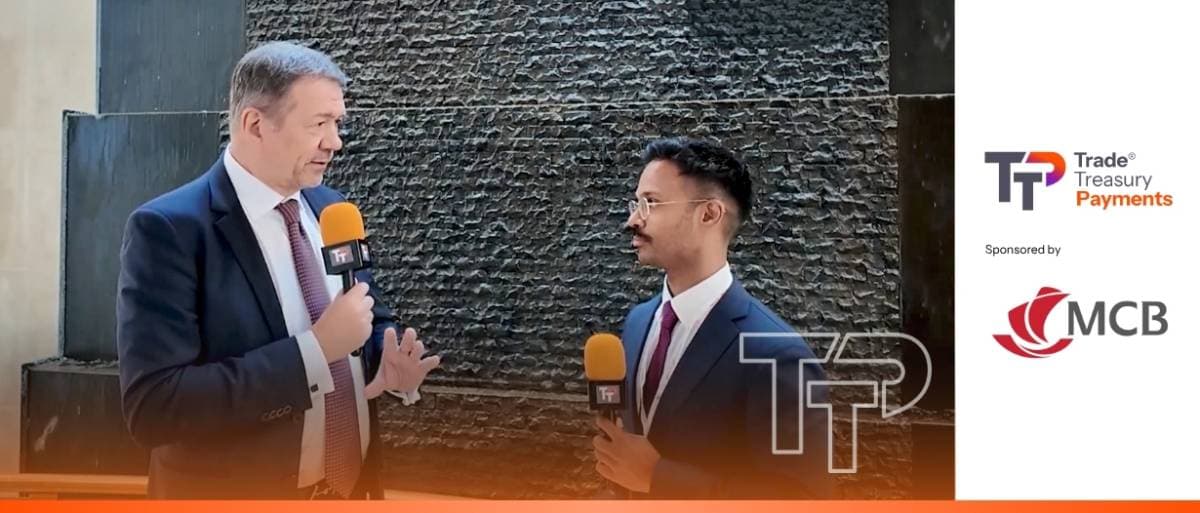
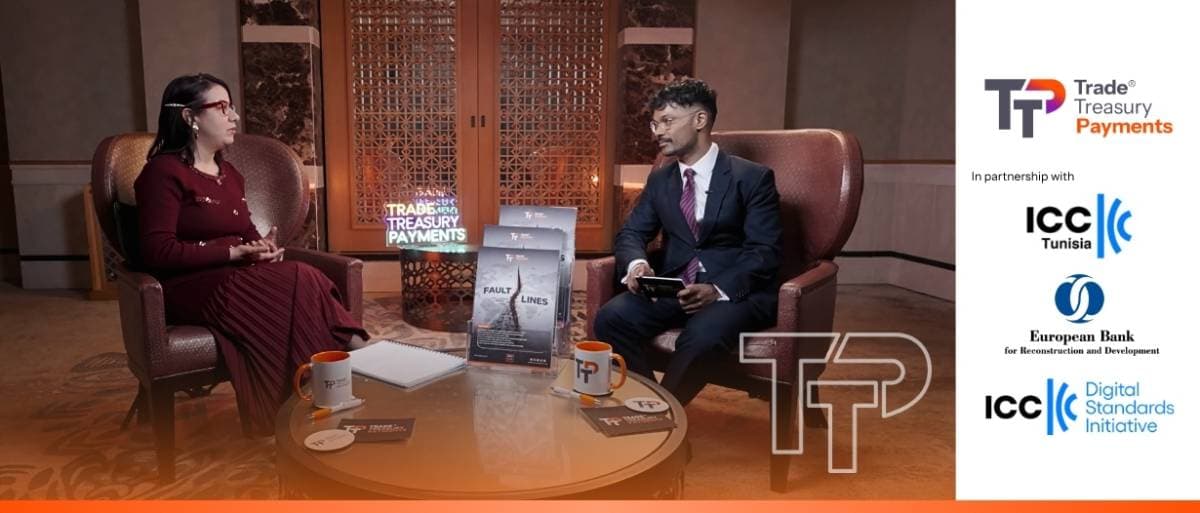
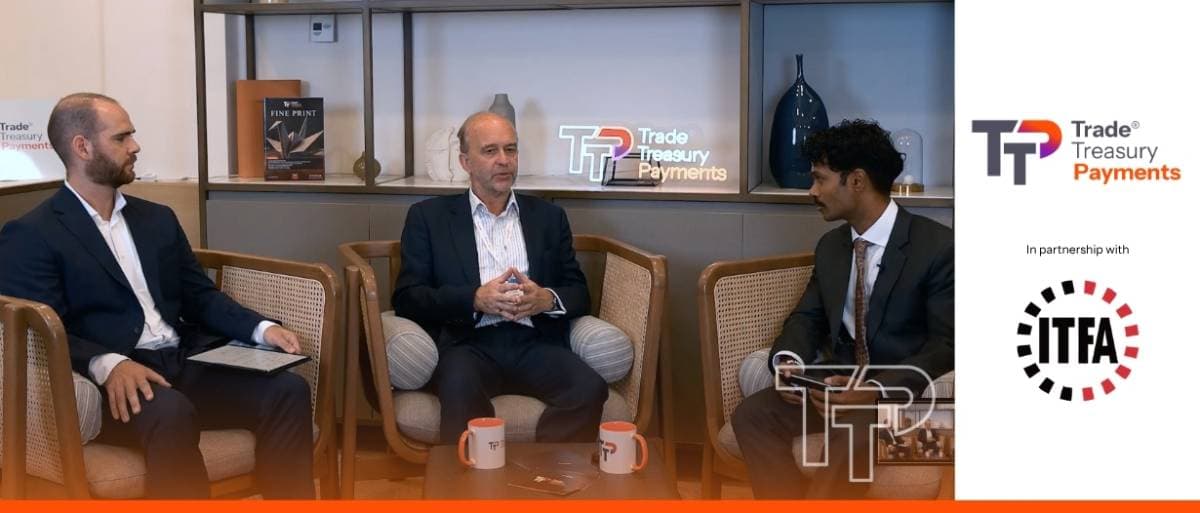
At ITFA’s 52nd Annual Conference in Split, Croatia, Trade Treasury Payments’ Editor-in-Chief, Deepesh Patel, and Deputy Editor, Carter Hoffman, joined ITFA Chairman Sean Edwards to discuss the most pressing issues in trade finance today. In this exclusive interview, they talk about the growing role of defence finance, the shift toward asset tokenisation, and how trade associations are driving resilience and nurturing new talent.
Hoffman: Sean, what do you think the most important theme from the conference has been so far?
Edwards: There are many crucial themes coming through this week. The first is defence finance, which is obviously very important given the current climate. There is a genuine role for trade and supply chain finance in that sector, particularly when you consider that trade fundamentally covers every type of good and service.
Another overarching theme, encompassing tokenisation and digitalisation, is the need for the industry to become much more all-encompassing and sophisticated. Some of this is driven by the need for resilience, especially in defence and security, but regulators are also expecting much more from us while bank capital is scarcer. People often say trade will always survive because people always need goods and services, which is true, but the way banks serve buyers, sellers, and intermediaries is changing.
Because of this, we are constantly looking at how to take time-honoured techniques and modernise them for the modern era. Forfaiting is a great example of this evolution. You start with traditional instruments like bills of exchange and promissory notes, digitise them into electronic versions, and then tokenise them. From there, you can hold concrete discussions on how Multilateral Development Banks (MDBs) might utilise those assets, for instance, by creating a pool of negotiable instruments to attract liquidity and directly narrow the trade finance gap in Africa. Ultimately, across the board, we are applying new techniques to satisfy traditional needs.
Patel: ITFA was founded in 1999, and here we are at the 52nd Trade and Forfaiting Conference. As communities, instruments, practices, and technologies evolve, what is the role of ITFA today? Is its mandate as an association still relevant?
Edwards: Yes, and it is proven by our growth. We are now at around 400 members across more than 40 countries. There is a strong need for people to gather in the right environment. While our original remit was a small group of friends trading with each other, the requirements on trade finance banks have become far more complex. You need more people at the table, which is why our insurance and fintech communities have grown so significantly, and why we are heavily focused on regulatory lobbying. A great example of this collaborative approach is our TF COP initiative. While ITFA drove the initiative, we brought together multiple trade associations because each brings different strengths to the table.
Hoffman: Sean, what is ITFA doing to continue promoting the Emerging Leaders initiative and attracting young professionals to the sector?
Edwards: Part of that effort involves providing educational resources, but the primary goal is helping these individuals identify a clear, supported career path. Senior industry professionals play a key role in mentoring them. However, it is a two-way street – the younger generation brings innovative ideas and a much stronger command of technology. Many participants in the Emerging Leaders program have secured new roles and advanced significantly within the industry.
Patel: Looking ahead, as you reflect on past conferences in cities like Budapest, Bristol, Abu Dhabi, Cyprus, and Singapore, topics such as sustainability, defence, and emerging digital models weren’t discussed the way they are today. How is ITFA adapting to these broader shifts to stay relevant, and what is coming down the pipeline for the future?
Edwards: It’s about doing more of the same good work by staying alert to what our members need and providing the right resources. What makes ITFA unique is that our agenda is driven entirely by our members. As we expand our presence across different regions, we are constantly adapting to technology, which moves incredibly fast. For example, we created the framework for the Digital Negotiable Instrument (DNI) and digital bills of exchange, but it doesn’t stop there. We continue to explore how to integrate these assets onto payment rails, scale tokenisation, and leverage new technology to address traditional risks like fraud.
Looking ahead to next year, the ITFA Annual Conference will move to Montreal, Canada. With a large and growing membership base across both North and South America, the organisation looks forward to uniting the regional trade finance community and continuing these vital industry discussions on Canadian soil.
Prefer to listen? The full conversation is also available as a podcast below.
Key Topics
- Tokenisation and digitalisation of traditional trade finance instruments such as bills of exchange and promissory notes creates new liquidity pathways.
- Defence and supply chain finance has become an increasingly important application area within trade finance given current geopolitical conditions.
- Trade associations must adapt their governance and membership to encompass insurance, fintech, and regulatory expertise alongside traditional trade banking.
- Emerging Leaders initiatives help nurture younger professionals by combining mentorship with technology expertise and clear career pathways in trade finance.
- Digital Negotiable Instruments and digital bills of exchange represent the evolution of traditional trade documents into modern payment rail infrastructure.
Key Insights
Expert Analysis
Sean Edwards, ITFA Chairman, underscores that trade finance remains fundamentally relevant because people always need goods and services. However, the method by which banks serve buyers, sellers, and intermediaries is transforming. He emphasises that the industry must become more all-encompassing and sophisticated, driven by the need for resilience, regulatory demands, and scarcer bank capital. Edwards notes that ITFA's success—growing to 400 members across 40 countries—demonstrates the continued need for professional communities to gather and share expertise. He highlights that the association's agenda is entirely member-driven, requiring constant alertness to technological change and emerging needs. Key to this evolution is the framework ITFA developed for Digital Negotiable Instruments and digital bills of exchange, which the association continues to expand through integration onto payment rails, scaling of tokenisation, and deployment of new technology to address traditional risks such as fraud.
Key Findings
- ITFA membership has grown to approximately 400 members across more than 40 countries, reflecting strong demand for professional community and collaborative expertise in trade finance.
- Tokenisation of traditional trade instruments, from bills of exchange through to negotiable instrument pools, enables MDBs to address the trade finance gap in regions such as Africa by improving liquidity access.
- The role of trade finance in defence and security sectors has become materially more important given current geopolitical conditions, representing a genuine growth opportunity.
- ITFA's Emerging Leaders programme has successfully helped younger professionals identify clear career pathways and advance within the industry through mentorship and exposure to emerging technologies.
- ITFA developed a framework for Digital Negotiable Instruments and digital bills of exchange, representing the evolution of traditional trade documents into modern, digitally-enabled instruments.
Implications
- As tokenisation scales and negotiable instruments move onto payment rails, the trade finance sector will require new operational and compliance competencies, particularly around digital asset management and fraud prevention in tokenised environments.
- Trade associations must continue expanding their membership and expertise beyond traditional banking to remain relevant as regulatory demands increase and capital constraints force banks to operate more efficiently and collaboratively.
- Defence and security finance may drive demand for supply chain solutions, particularly in sectors serving government procurement and critical infrastructure, opening new market segments for trade finance providers.
- Successful nurturing of younger talent in trade finance will require sustained investment in mentorship structures and technology training, as emerging professionals bring both innovation and a capability gap that senior staff must help bridge.
- The ability of Multilateral Development Banks to pool and tokenise negotiable instruments could materially expand access to trade finance in developing regions, particularly Africa, if the infrastructure and regulatory framework continue to evolve.
Key Takeaways
- Trade finance remains essential because fundamental need for goods and services is constant, but the methods by which banks serve clients are changing through digitalisation and tokenisation.
- ITFA's member-driven agenda and collaborative approach—bringing together trade associations, insurance, fintech, and regulatory expertise—enables the industry to address emerging challenges and opportunities more effectively.
- Digital Negotiable Instruments and digital bills of exchange represent the practical evolution of traditional trade documents, creating new pathways for liquidity and closing the trade finance gap.
- Defence and security finance has become a legitimate and growing segment of trade finance, reflecting both geopolitical shifts and the fundamental breadth of trade to cover all goods and services.
- Attracting and retaining younger professionals requires clear career pathways, mentorship, and recognition that emerging talent brings valuable technological innovation and perspectives to the industry.