
From the rooftop: Digital trade and treasury management systems
At komgo’s rooftop networking event in Singapore, Trade Treasury Payments (TTP) spoke with three komgo clients to get their perspectives on the current state of digitalisation in trade finance and treasury management.
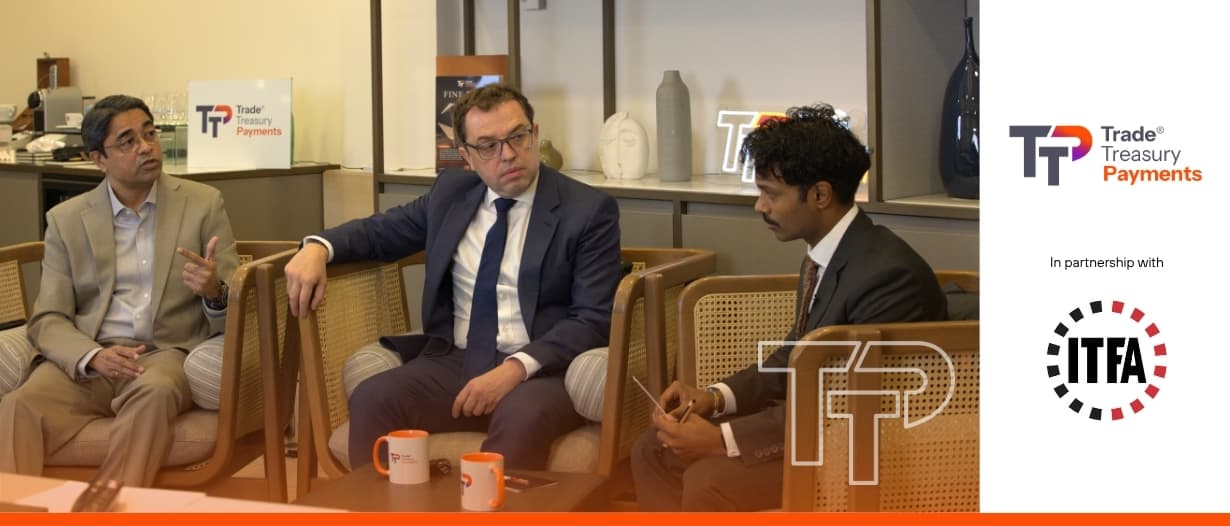
For Tatiana Antonova, Head of Trade Finance and Insurance at SEFE Marketing & Trading in Singapore, the biggest challenge remains the manual nature of many processes.
Antonova said, “The main issue is lack of automation and a lot of manual work related to trade finance issues of instruments and the work that banks do. There are huge amount of emails and documents and the entire process is very manual.”
By moving towards greater automation, she explained, companies can cut down on errors, reduce delays, and allow trade finance teams to focus on more value-added tasks.
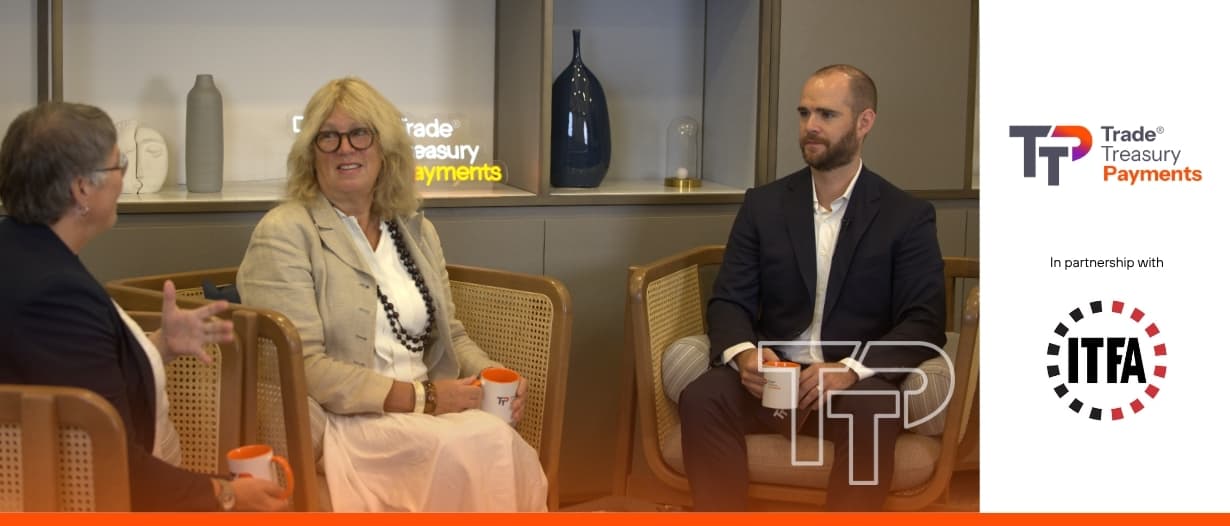
The promise of technology to reshape workflows is also visible from the treasury side. Benjamin Gayet, Director and Head of Treasury Technology – System Selection & Implementation at KPMG, noted that treasury management systems (TMS) and trade finance platforms serve distinct purposes, but both are evolving quickly.
Gayet said, “If you think about a treasury management system, you will always think about cash management, payments, treasury accounting and any type of financial transaction… They will monitor trade finance, but they won’t issue any type of guarantees or LCs directly with the bank. A trade finance system will be able to connect directly with your banks.”
The distinction matters because connectivity allows corporates to manage guarantees, letters of credit, and portfolios more proactively. Gayet added that innovations such as artificial intelligence are beginning to add value in both spaces, though applicability depends on the size and complexity of the corporate.
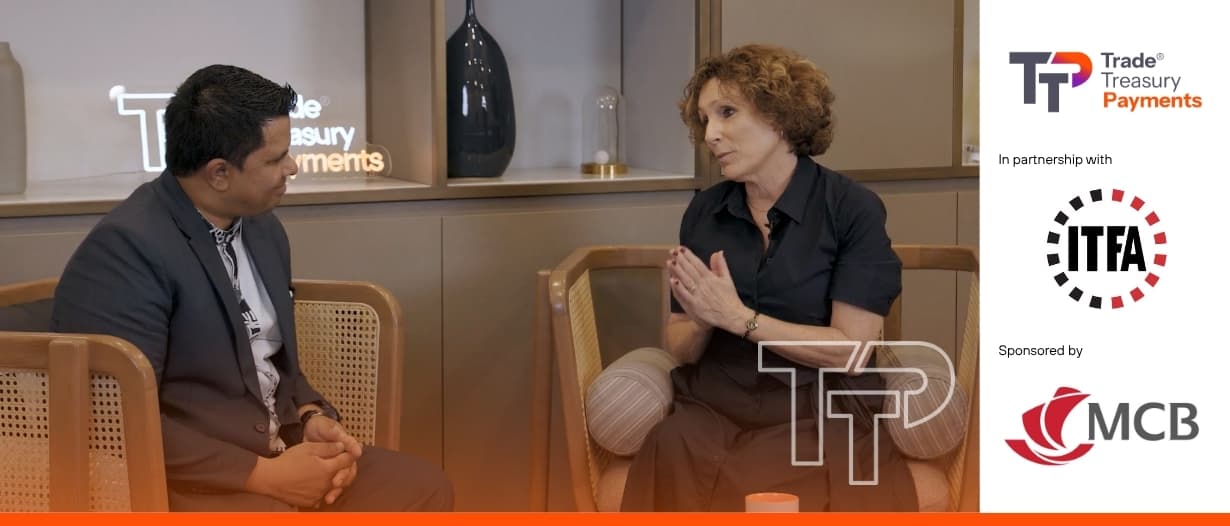
On the trading side, technology is already easing friction in day-to-day business. Melissa Widjaja, Head of Structured Trade Finance Asia-Pacific at Gunvor, explained how platforms like komgo reduce bureaucracy and open up new possibilities.
Widjaja said, “komgo is a very helpful tool to connect us to our banking providers and to counterparties alike, thereby helping to reduce a lot of red tape. It’s good for the environment because a lot of paper is going to fall away that we need to otherwise sign. And yeah, it opens up a lot of options and opportunities in the market.”
She pointed out that multibank, multicorporate connectivity is particularly valuable in commodity markets, where the ability to interact with multiple parties can save significant time and resources.
Together, their perspectives are an indication of what the digital future for both treasury and trade finance functions looks like, with reduced manual processes, strengthened connectivity with banks, and corporates that are empowered to act more quickly and confidently in a fast-moving market.
Key Topics
- Trade finance digitalisation
- Manual process inefficiencies
- Treasury technology evolution
- Bank connectivity platforms
- Commodity trade workflows
- Multibank collaboration
Expert Analysis
The client perspectives highlight that digitalisation in trade finance is less about replacing functions and more about removing structural inefficiencies across workflows. By reducing manual intervention and strengthening direct connectivity with banks, platforms like komgo enable corporates to operate with greater speed, accuracy, and confidence across both treasury and trading activities.— Tatiana Antonova
Key Findings
- Trade finance processes remain heavily manual and email-driven.
- Automation reduces errors and delays in trade finance workflows.
- Treasury management systems monitor but do not execute trade finance instruments.
- Trade finance platforms enable direct connectivity with banks for guarantees and letters of credit.
- Multibank connectivity reduces red tape and paper usage in commodity trading.
Implications
- Reducing manual workflows lowers operational risk across trade finance operations.
- Clear system differentiation helps corporates select appropriate technology for execution versus oversight.
- Digital connectivity strengthens corporates’ ability to manage complex, multi-party trade structures.
- Environmental benefits emerge as paper-intensive processes are eliminated.