About This Video
Video not playing? Watch via Youtube.
The Berne Union’s Business Confidence Index (H2 2025) highlights a cautious but steady picture for short-term export credit insurance, alongside a more confident outlook for medium-to-long-term (MLT) business. The findings reflect the dual pressures of tariff-driven trade disruption and the financing demands of large-scale infrastructure and energy projects.
TTP heard from Lewis Evans, Economic Research Analyst at Berne Union to explain the findings.
Short-term: Stability, with caution on claims
In the short-term market, demand sentiment remains stable, with the weighted index at 52.2, close to neutral. Many exporters continue to delay requests for cover until the full impact of tariffs becomes clearer. For providers in East Asia, where US tariffs ranging from 10–30% have slowed trade flows, this has translated into suppressed volumes.
At the same time, there are pockets of resilience. Public providers point to increased activity from SME exporters and rising demand linked to defence exports as governments expand budgets in response to geopolitical risk.

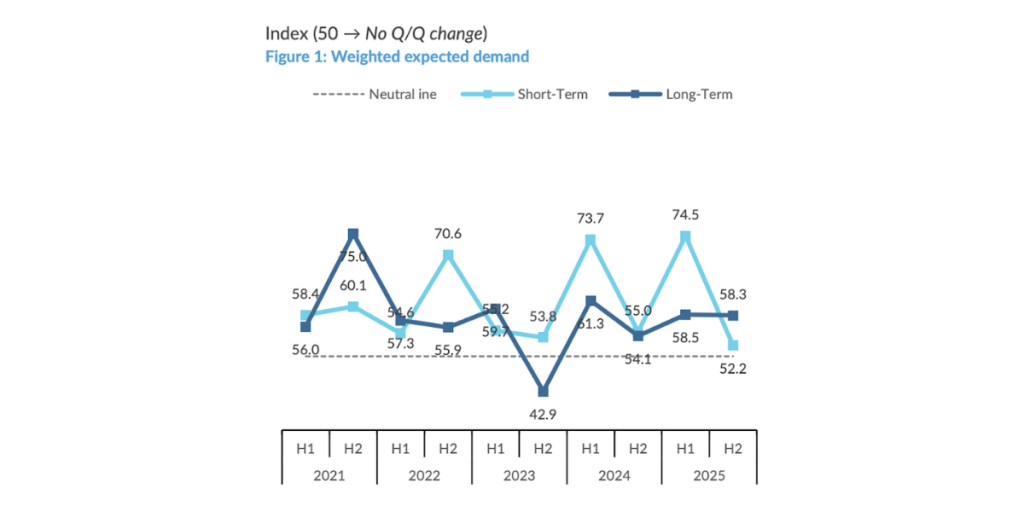
Chart 1: Weighted Expected Demand – ST vs MLT, H2 2025
On the risk side, the outlook remains more negative. The index for short-term claims stands at 71.1, elevated compared to historical averages though slightly improved from earlier in the year. Members are especially focused on how rising import prices are pressuring buyers in tariff-sensitive sectors such as steel (subject to a 50% tariff on US imports), autos (25%), and copper (50%).

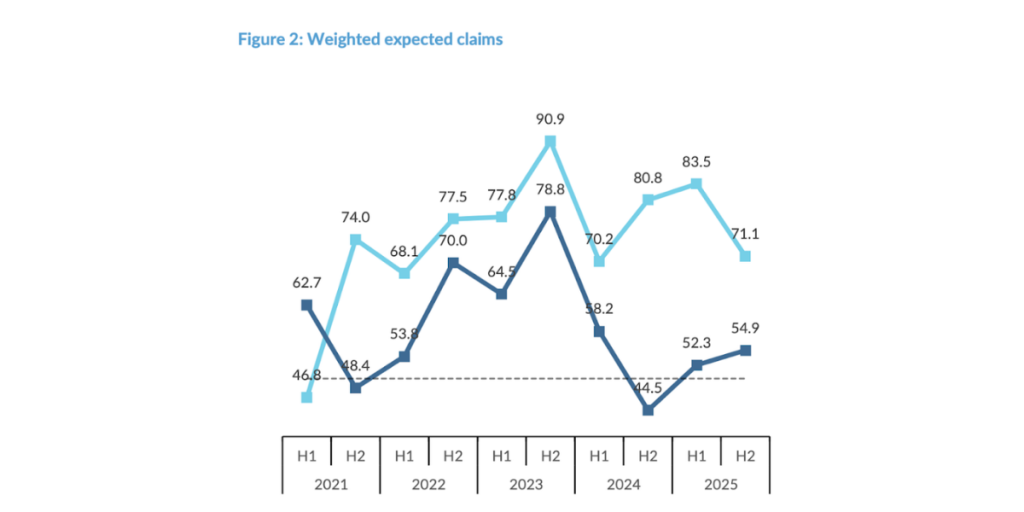
Chart 2: Weighted Expected Claims – ST vs MLT, H2 2025
Beyond tariffs, respondents also highlight exposures linked to political instability in the Middle East and Latin America, and pre-claims risk in Bangladesh’s banking sector, which is undergoing IMF-backed reforms.
Medium-to-long-term: Infrastructure and energy drive growth
The picture looks more optimistic for MLT business. Confidence in demand stands at 58.3, with private insurers particularly bullish (index: 70.8). Over 40% of private members anticipate stronger pipelines in the second half of the year, driven by financing needs in infrastructure, energy, and defence.
One clear driver is the global push for infrastructure investment, from Germany’s €500bn infrastructure fund (with €100bn earmarked for energy transition projects) to rising defence budgets across Europe and North America. Collaboration with multilateral development banks (MDBs) and development finance institutions (DFIs) is also seen as an important source of new deal flow.

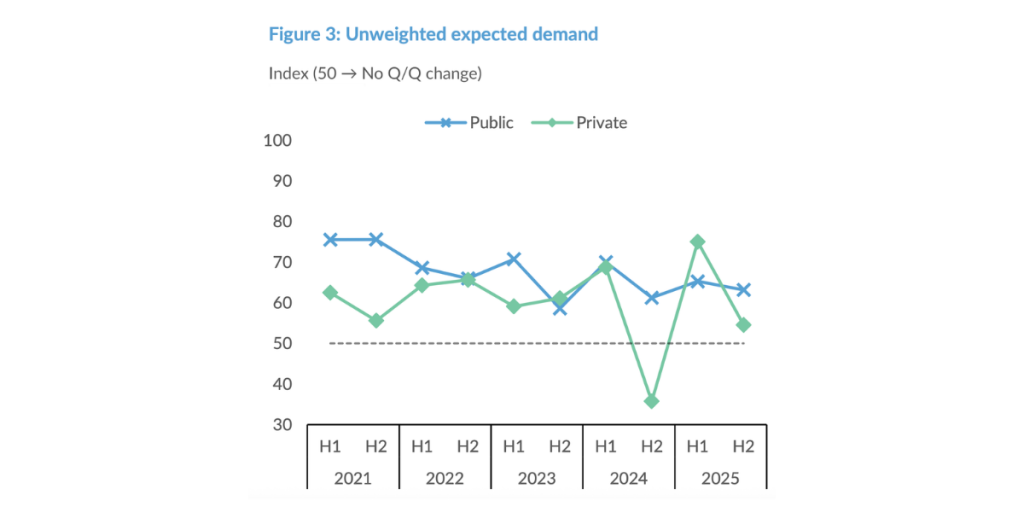
Chart 3: Trend in Demand Index, 2021–2025 – ST vs MLT
On the claims side, expectations are steadier. The MLT claims index registers at 54.9, consistent with historical norms. Still, providers remain alert to sovereign debt risks in Africa—particularly Senegal, which has seen fresh downgrades—and to policy-driven uncertainty in US renewable energy, where recent tax credit changes have slowed approvals for wind and solar projects.

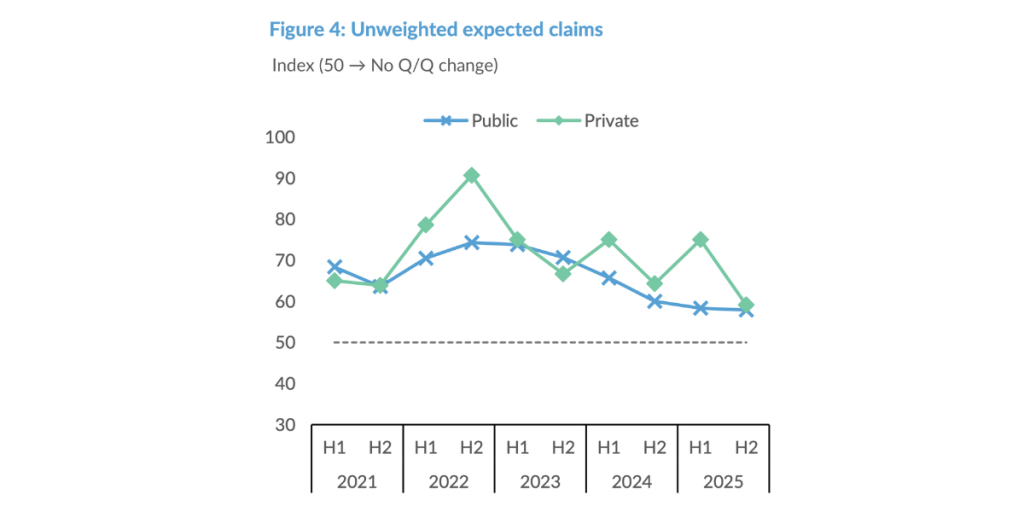
Chart 4: Unweighted Expected Demand and Claims – Public vs Private
Outlook
Overall, Berne Union members describe a short-term outlook that is stable but cautious, shaped by tariffs and trade policy disruption, while the medium-to-long-term picture is more
Key Topics
- Short term demand is steady but subdued due to tariff uncertainty and delayed exporter decisions.
- East Asian exporters face the strongest pressure as reciprocal US tariffs reduce trade volumes
- Some public providers report growth from SMEs and defence related exports.
- Medium to long term pipelines in infrastructure, energy and defence are driving confidence
- Partnerships with multilaterals and DFIs are emerging as a major growth opportunity.
Expert Analysis
The latest Business Confidence Index shows an industry split between short term caution and long term confidence. Tariff uncertainty continues to hold back demand, with many exporters delaying cover decisions and East Asian markets feeling the sharpest impact from reciprocal US measures. Yet beneath this caution, selective growth is emerging, particularly among SMEs and defence related exports. The medium to long term outlook is far more upbeat, driven by strong pipelines in infrastructure, energy and defence, and by exporters seeking protection against rising geopolitical and commercial risks. Private insurers also see growing opportunity in working alongside multilaterals and development finance institutions. While claims expectations remain steady, members are closely watching sovereign debt pressures in parts of Africa and the slowdown in US renewable project approvals following recent policy changes. The result is a market navigating short term disruption but positioning itself for stronger long term momentum.— Lewis Evans
Key Findings
- Short term sentiment is cautious, driven by trade policy disruptions and sector specific pressures
- Medium to long term confidence is supported by strong project pipelines.
- Private insurers expect increased cooperation with development institutions.
- Claims expectations are stable but concentrated in specific regions and sectors.
- Policy changes in major markets are influencing project timelines and risk profiles
Implications
- Exporters may continue to delay short term cover requests until tariff impacts stabilise
- Insurers must balance cautious short term risk management with growing long term opportunities.
- Collaboration with DFIs and multilaterals could reshape the competitive landscape.
- Changes in US energy policy may influence global renewable investment flows
- Sovereign risk assessments will remain central to underwriting decisions.