
About Video
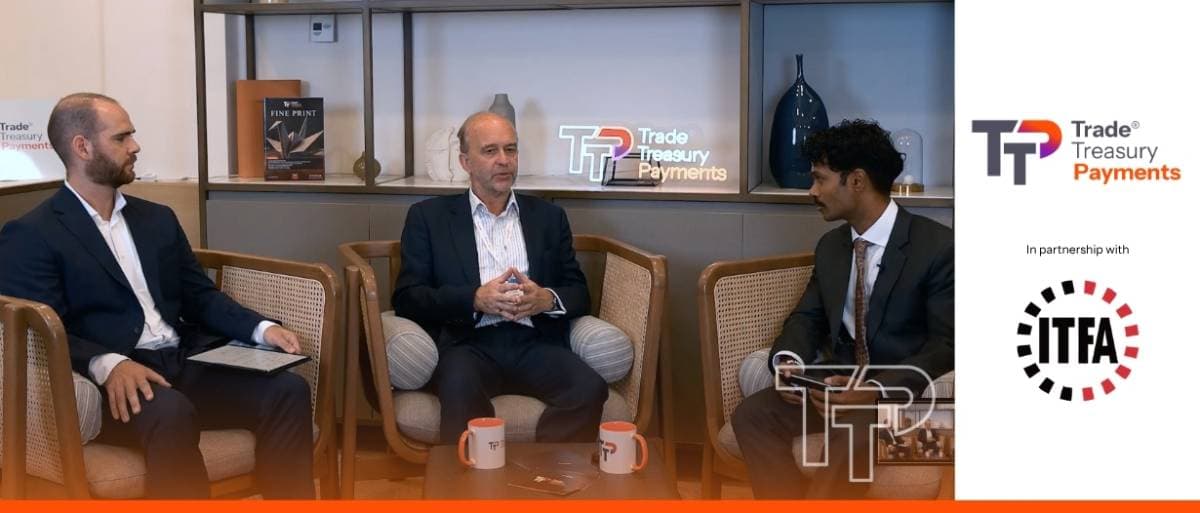
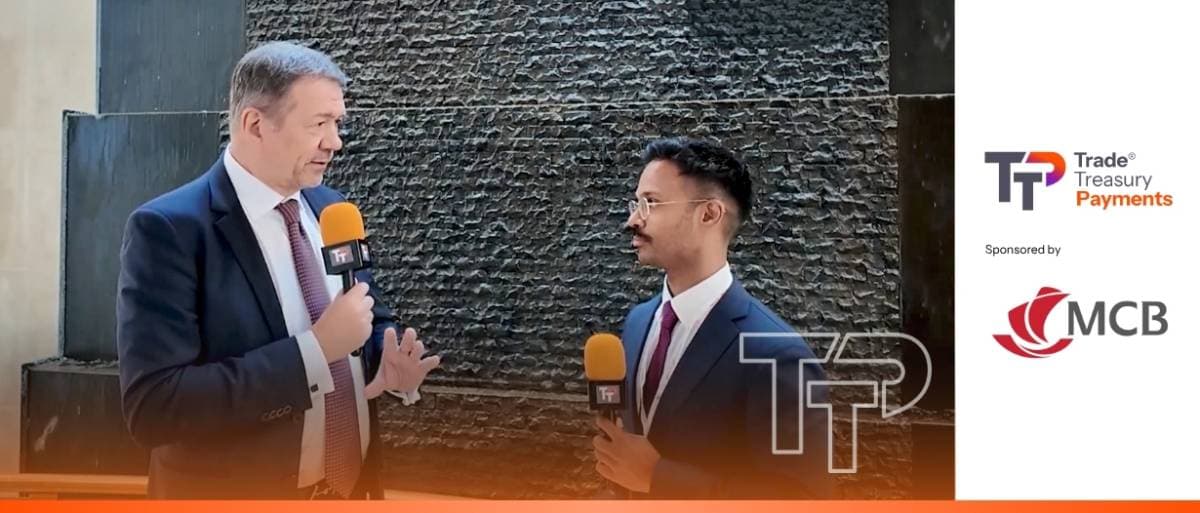
At the ITFA Annual Conference in Singapore, Trade Treasury Payments (TTP) spoke with Baldev Bhinder, Managing Director at Blackstone & Gold, about the legal risks surrounding documentary collections and why the ICC’s Uniform Rules for Collections (URC 522) deserve more attention.
Bhinder said, “It’s funny to be talking about URC 522 because not that many people talk about it. Everyone talks about UCP 600, the rules for letters of credit. But URC 522, which governs collections, tends to sit in the background.”
That obscurity, he explained, can create very real problems. “We’ve seen situations where banks have released documents without getting paid by the importer. That’s a pretty catastrophic event,” Bhinder said.
URC 522 sets out the rights and obligations between the remitting bank (which acts on behalf of the exporter) and the collecting bank representing the importer. When properly referenced, it ensures a clear standard of care where the collection bank must not release documents until payment or acceptance. However, Bhinder noted that too often, the rule set is omitted altogether. “The collection letter goes out and doesn’t make any reference to the URC 522. That creates a whole set of problems of its own,” he said. “In many cases, the exporter or its bank just sends a one-page letter saying ‘don’t release the documents,’ without mentioning URC 522 at all.”
It is when disputes arise, however, that the true consequences become evident. If a bank releases documents contrary to instructions, it is often the exporters that must contend with the difficult questions about jurisdiction and recourse. “You might be in Europe, but the release happened in Asia,” Bhinder explained. “Where do you go to sue? Courts in different countries interpret trade law differently, and some systems might not be favourable to you.””
His advice is to not assume that collections are going to be risk-free. “People think, what can go wrong? But once documents are released, it’s a problem, and you’re not even sure where you’re going to be fighting about it,” Bhinder said. “Make your instructions clear. Specify what to do, what not to do, and where disputes will be handled. That clarity upfront can save a lot of pain later.”
Key Topics
- Understanding and applying URC 522 in documentary collections
- Risks arising from document release without payment
- The impact of market pressures on collection decisions
- Importance of incorporating URC 522 in collection instructions
- Jurisdiction challenges in cross border disputes
Key Insights
Expert Analysis
“Collections are often treated as routine, but they come with real risks. If a bank releases documents without payment, the exporter can end up fighting a dispute in a jurisdiction that may not be favourable. Clear instructions and jurisdiction clauses can save a lot of pain later.”— Baldev Bhinder
Key Findings
- URC 522 is seldom referenced and widely misunderstood across the industry.
- Banks have released documents without payment in several recent cases.
- Failing to reference URC 522 leads to unclear obligations and weaker legal protection.
- Market pressures, such as currency shortages or importer influence, can affect bank decisions.
- Courts generally treat actions as acceptance of instructions.
- Exporters may face disputes in jurisdictions that are not favourable to them.
- Jurisdiction clauses can materially strengthen an exporter’s position.
Implications
- Exporters must clearly incorporate URC 522 into collection instructions.
- Jurisdiction clauses should be considered to avoid disputes in unfavourable courts.
- Banks and trade practitioners require better awareness of URC 522.
- Compliance and risk controls need to be strengthened, especially in high volatility markets.
- Collections are not risk free, and exporters should treat them with the same care as other trade finance instruments.
Key Takeaways
- URC 522 is widely overlooked in international trade, and recent cases of wrongful document release show why exporters must clearly reference the rules and specify jurisdiction in their collection instructions to avoid serious legal and financial risk.