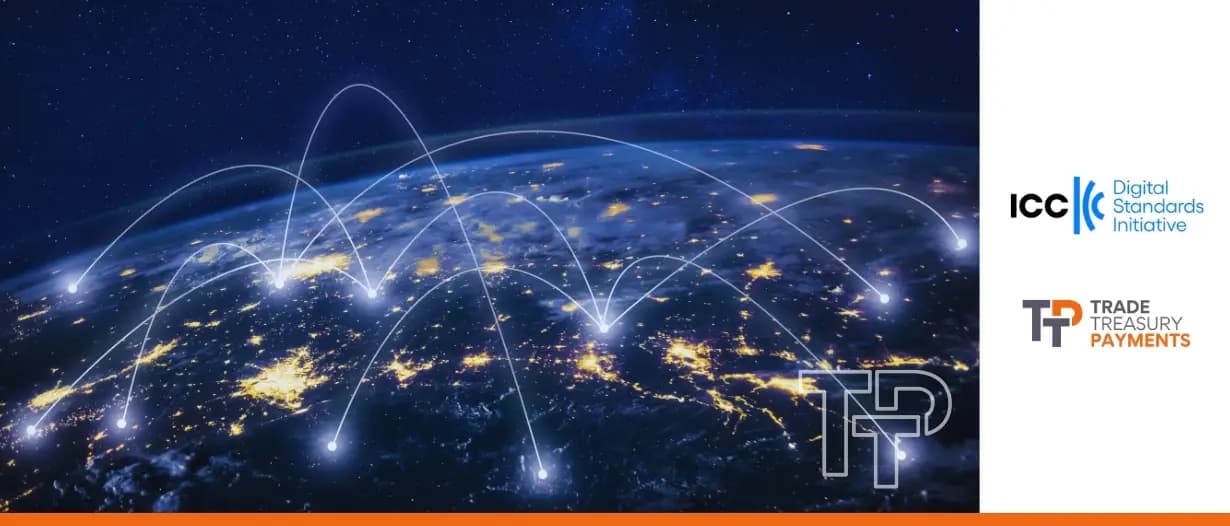
A key question related to interoperability is how to ensure that the multiple digital islands and separate networks end up interconnecting rather than producing fragmentation. Centralisation isn’t the answer; this approach seeks to “bring together the digital ecosystem via integration”.
In practical terms, it means using APIs, cloud connectivity, and data standards to link the various digital trade platforms (finance, shipping, insurance, etc.) so that data can flow between them. For example, a digitised purchase order from a corporate procurement system could feed into a trade finance platform to initiate a financing request, which in turn could communicate with a shipping eBL platform to match transport documents. All this would happen behind the scenes. The user would experience a mostly seamless process.
ERP integration is a big part of this strategy. Letting companies and banks interface through existing systems ensures that digital trade services are accessible without extra logins or manual data re-entry. In general, industry efforts now are less about creating new standalone platforms and more about connecting the dots between existing ones.
Even fintech entrepreneurs, who once might have aimed to be the single platform of choice, recognised the value of interoperability over exclusivity. Many participants agreed that systems should be technology-agnostic and capable of working with any partner’s system as needed.
This aligns with the ICC’s advocacy for open, interoperable systems that do not lock participants into one technology, but instead allow data to flow across jurisdictions and between public and private platforms.
None of this is to say platforms are unimportant. On the contrary, robust platforms for e-documents, financing, etc., are the building blocks of digital trade. The key insight is that those blocks must be linked via common standards and integration to form a cohesive digital trade infrastructure. The consensus view favoured a “network of platforms” model, a connected network enabling end-to-end digital trade, as opposed to any monolithic one-platform solution.
This article is a part of TTP & ICC-DSI’s whitepaper. Read the full edition HERE.