

Eliminating unexpected deductions in cross-border payments
Making international payments more efficient and frictionless is a difficult problem, but one that regulators and policymakers globally are striving to solve.
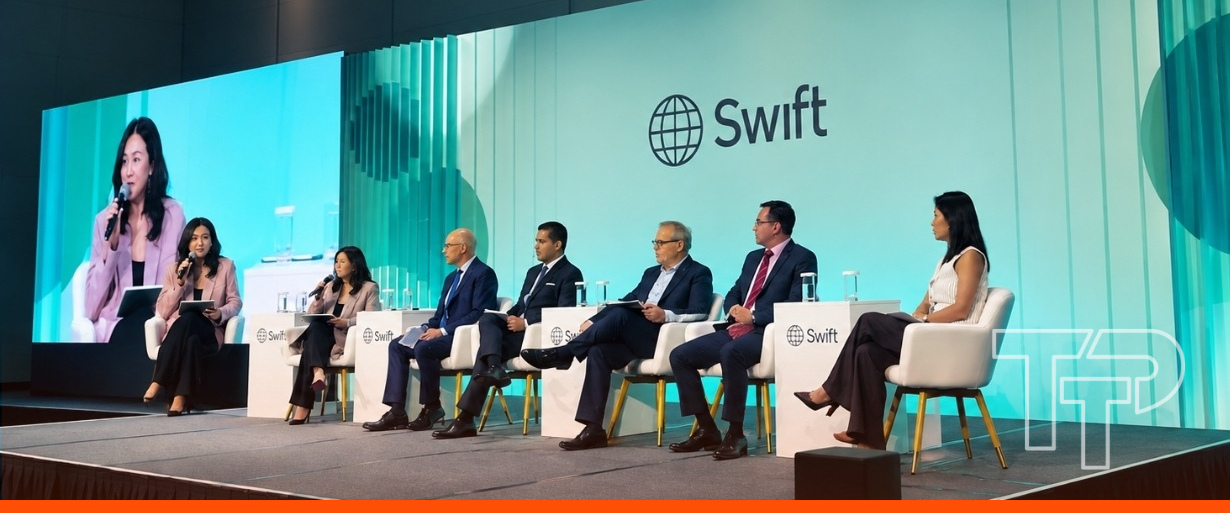
Friction in cross-border flows negatively impacts the efficiency of an economy, the affordability of imported goods and services, and weakens trust in the domestic currency – all which increase the cost of doing business, according to Angelo Duarte, Head of Department, Banco Central do Brasil, speaking on a Sibos 2026 panel entitled ‘Full value delivered: creating certainty in cross-border payments’.
One of the major pain points for both consumers and businesses is unexpected deductions. The issue is not just the amount deducted but the uncertainty around how much will be deducted as the payment moves through multiple intermediaries. Hidden fees and foreign exchange markups can increase reconciliation errors, as well as lead to delays and even failed payments.
Transparency around the total amount delivered is often more important than the payment’s timeliness. “An unforeseen deduction impacts not only the beneficiary, who is receiving a reduced amount, but makes it difficult to manage for the sender from a reconciliation perspective,” said Sanjay Sethi, Head of Global Treasury, Trade and Tokenisation, First Abu Dhabi Bank (FAB).
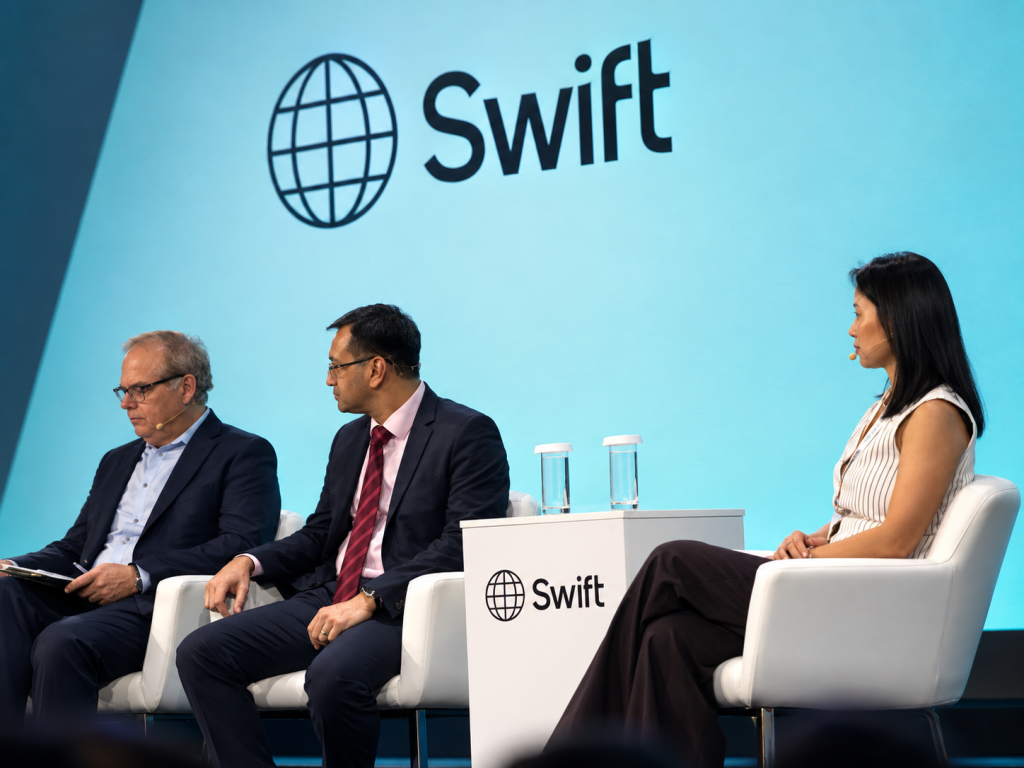
According to Swift research, customers increasingly expect predictability on fee and delivery amount. “Both consumers and SMEs ranked certainty among the top three drivers of importance, alongside security and trust,” said Joyce Shen, Scheme Market Growth Lead, Swift. “For retail customers, realising there’s a hidden fee or an unexpected shortfall at the beneficiary side undermines their trust in the provider.”

The 2023 global survey also found that hidden fees evoke a stronger negative reaction than a payment not arriving at all. Seventy percent of those surveyed said they would not reuse the provider if there’s a hidden fee.
In many jurisdictions, banks and other payment service providers (PSPs) are now required by the regulators to disclose charges and exchange rate markups for cross-border payments before a transaction is completed. Many players are going beyond providing transparency over costs to guaranteed full‐value delivery, which ensures that the exact amount sent by the payer arrives at the destination account.
Anupam Verma, Head of International Financial Institutions Group and Syndication, ICICI Bank, spoke about the Indian institution’s journey to full‐value delivery, which began two years ago. Today almost 80% of its outward payments are full value.
“As we moved away from product profitability to customer profitability and experience, we realised that having multiple deductions hurts our brand,” said Verma. “We told our correspondent banks that we wanted to move to full-value delivery. They were surprised because the shift meant a loss of income on both sides. But it’s been a win-win, as customer profitability and volumes have increased as a result.”
Stuart Bailey, Head of Payments Industry and Regulation, Lloyds Bank, suggested that banks should incorporate the end-to-end payment experience to improve customer engagement and satisfaction. “I want our payments to be delivered in full value, with great speed and with all the data they need to meet local regulations,” he said. “We want certainty of outcome to become the norm for our customers as a way of doing business – that has to be the aspiration.”
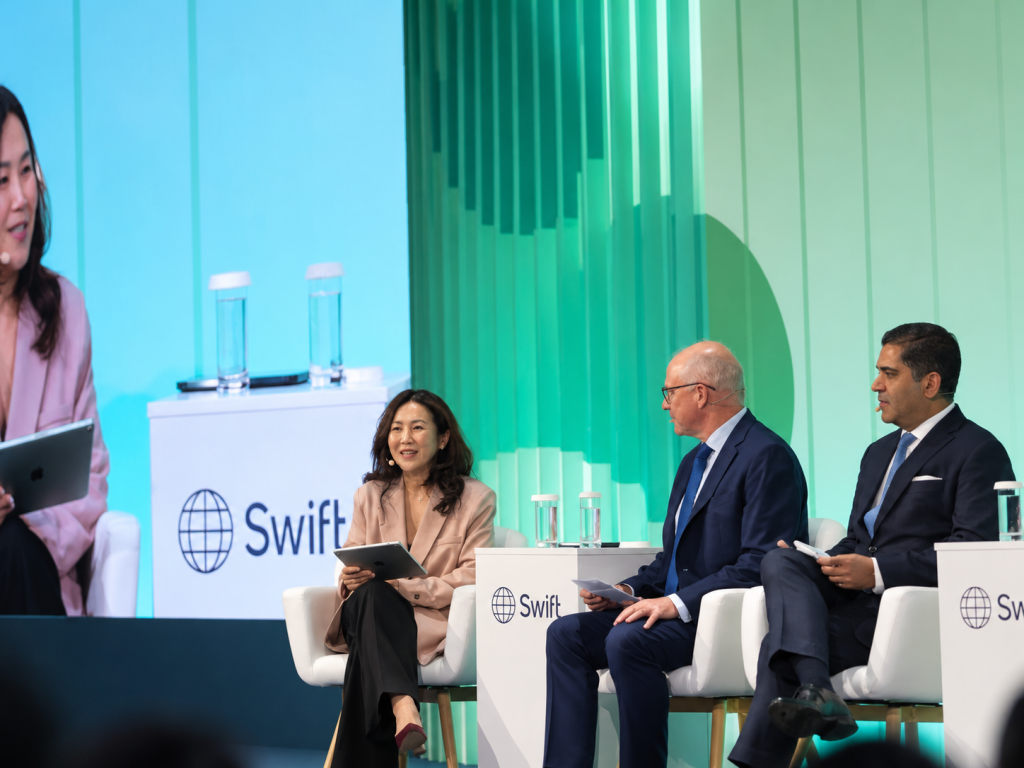
“Full-value delivery should be the norm, rather than a premium service offered across a particular corridor,” agreed Sethi. “A cross-border payment should begin to look like a domestic payment, which are easy, cheap, quick, and fairly straightforward.”
FAB, ICICI and Lloyds are among more than 100 banks supporting Swift’s new retail cross-border payments framework, launched at Sibos in Frankfurt last year with the aim to make international payments as seamless as domestic payments. The framework includes upfront transparency on fees, guaranteed full-value delivery and improved data richness. It also uses existing rails, which effectively means a shorter time to market.
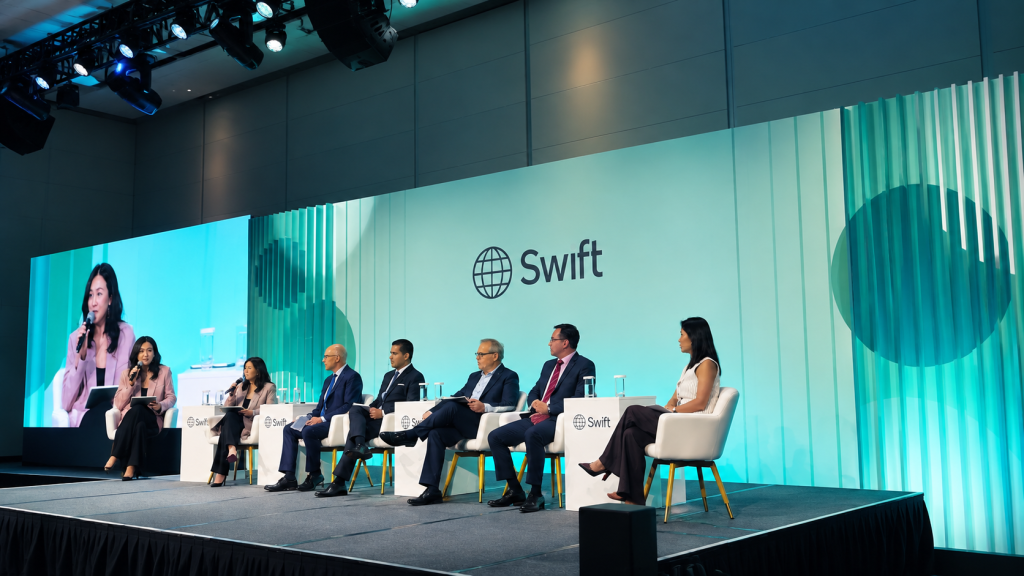
When asked what would materially accelerate full-value delivery in the next 12 to 24 months, Bailey called on financial regulators and central banks to open their faster payment systems to cross-border one-leg out transactions, so banks and PSPs can improve delivery into local markets. To the institutions in the room, he invited them to join the scheme and play their part in creating a global network to achieve better customer outcomes as a global common good.
Sethi talked about linking regional systems, such as Buna in the Middle East and the Pan-African Payment and Settlement System. “Interoperability between these regional players will also help to make cross-border payments look domestic. When this happens, it will increase trust, capability and efficiency along the way,” he added.
Shen proposed making the customer outcome a shared obligation, instead of any player’s individual aspiration. “The sending bank will not be able to make the full-value delivery promise if the downstream banks can still deduct from the payment,” she said. “Getting there will take collaboration across the industry, but the direction is clear – to make full-value delivery the expected experience, not an exception.”