On 17th November 2025, the European Union and a few members of the Organisation for Economic Co-operation and Development (OECD) announced a major commitment to make it easier to see how they support energy projects with export credits. This announcement, made in Paris, is an important measure towards making their actions more accountable and helping create better policies for the global energy transition.
A collective commitment to transparency and sustainable energy
The EU, together with Australia, Norway, Switzerland, and the United Kingdom, affirmed their intention to be transparent about officially supported export credits related to energy transactions.
Public export credits play an important role in helping people access reliable, affordable, and sustainable energy worldwide. Because of this, partners have asked the Export Finance for Future (E3F) coalition to provide a detailed report on all relevant transactions related to the OECD’s Arrangement on Export Credits.
Launched in 2021, the E3F coalition embodies a collective effort by Export Credit Agencies to align export finance policies with climate goals. The coalition focuses on increasing support for sustainable projects, phasing out public finance for unabated fossil fuels, and enhancing transparency through annual disclosures of export finance transactions.
The EU’s involvement in the OECD’s Arrangement on Officially Supported Export Credits demonstrates its commitment to ensuring fair competition in government-backed financing. Since 2015, the Arrangement has added climate-related rules, promoting environmentally friendly export credits and banning funding for coal-fired power plants.
In 2024, the EU proposed a “coalition of the willing” transparency exercise aimed at voluntary disclosure of energy-related transactions. The current commitment builds on this initiative.
Implications for the global energy transition
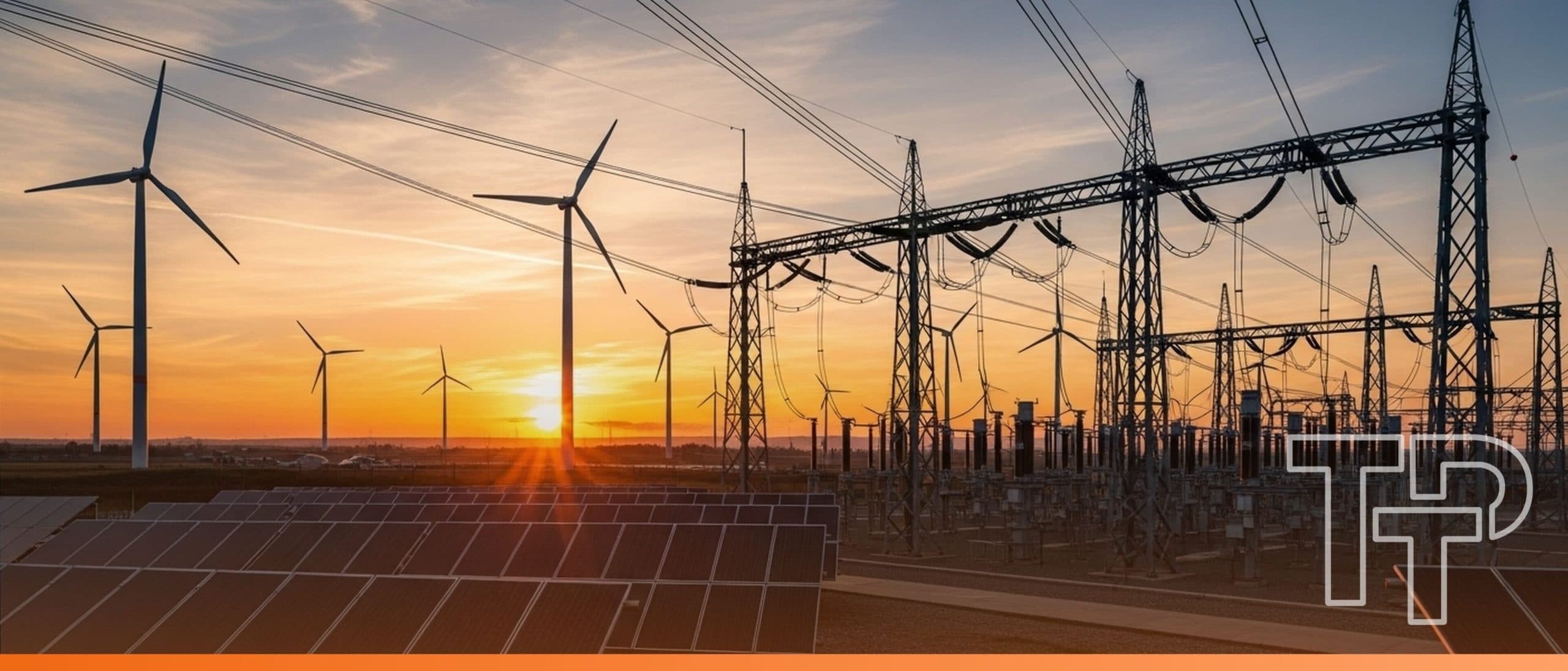
Public export finance has been crucial for developing energy infrastructure worldwide. By clarifying the details of these financial flows, the EU and its OECD partners aim to promote accountability and align with climate goals.
A reduction in fossil fuel support, especially for coal, along with increased funding for renewables, marks a shift in export finance priorities. This change supports decarbonisation and aligns with international climate commitments like the Paris Agreement.
Additionally, the annual reporting framework will give policymakers, investors, and civil society important data to track progress and identify further actions needed. Transparency in export finance is vital for building trust and ensuring public funds effectively support sustainable development goals.