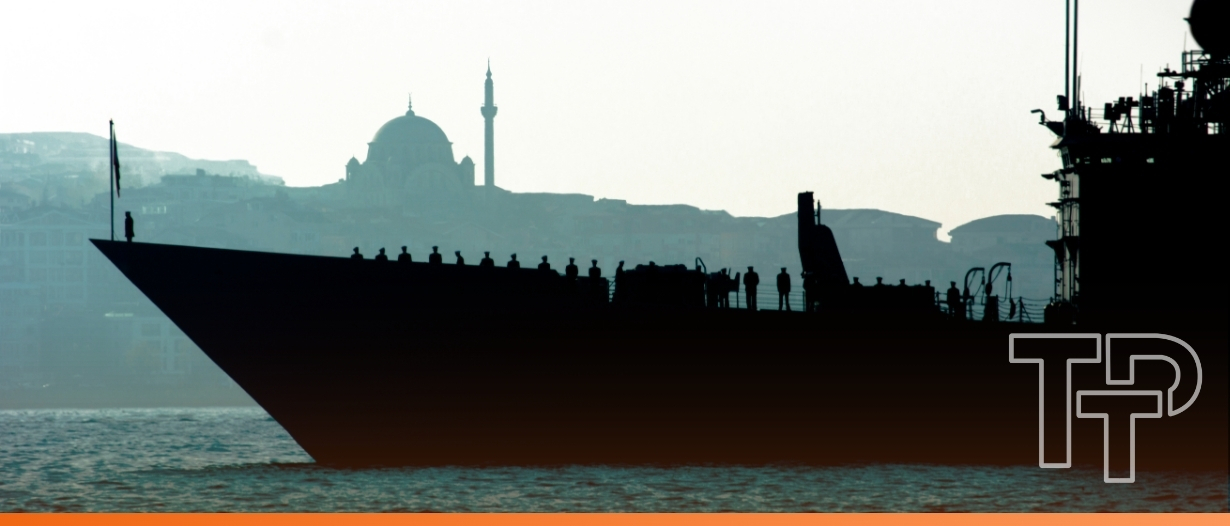

The escalating conflict in the Middle East is stress-testing supply chains with the Strait of Hormuz, through which roughly one-fifth of global oil passes, at the centre of the disruption.
Many stakeholders across the commodity chain are seeing force majeure notices begin to circulate up and down the contractual chain.
For traders, shipowners, and petrochemical plants, the legal question that follows will almost always turn on whether the conflict actually prevented the contractual obligation from being performed, or merely made performance more expensive.
Force majeure is a precise contractual mechanism, and in commodity trading chains, invoking it successfully is harder than it looks.
Tripping up on the causation chain
Force majeure in English law is a contractual mechanism, which means that a party invoking it must demonstrate that the relevant event falls within the clause, that the event caused the non‐performance, and that its performance was indeed prevented and not just made more expensive.
In commodity trading chains, this causation requirement becomes treacherous. A single cargo may involve a charter party between the shipowner and charterer, a sale contract between traders, and downstream supply contracts with refineries or petrochemical plants. What is often misunderstood is that an event that excuses performance under one contract does not automatically excuse performance under another.
A shipowner might be able to legitimately rely on war risk or safe port concerns to excuse performance, but a charterer is unlikely to borrow that position with respect to its trading counterpart. An FOB seller might be excused from loading cargo in the Middle East if a terminal is closed, but that may not translate to an intermediary trader who has committed to a DAP contract, focused on delivery at the destination.
War risk and unsafe ports: Legitimate shield or convenient Excuse?
Many tanker charterparties incorporate war‐risk clauses allowing owners to refuse orders that would expose the vessel to war risks. From the charterparty perspective, this may be legitimate. However, the legal question for traders is whether this refusal actually prevents shipment under the sale contract. If vessels remain available but at higher freight rates or insurance premiums, tribunals may conclude that shipment was still possible.
This problem is particularly acute for intermediate FOB buyers in a trading chain. Their downstream buyer may be the charterer of the vessel and unwilling to send it into the Middle East, while the intermediate FOB buyer still owes its seller the obligation to nominate and have a vessel ready for loading.
If shipowners are reluctant to call at the port, the buyer must demonstrate that no reasonable vessel could be obtained. Only where the port becomes effectively inaccessible, for example, due to blockade, terminal shutdown, or the complete withdrawal of insurance cover, is the buyer likely to be excused.
Shipment windows and termination risk
Commodity contracts frequently treat shipment periods as strict contractual obligations. Failure of a vessel to arrive in time or to complete loading within the agreed shipment window may constitute a breach entitling the counterparty to terminate the contract and claim damages.
Force majeure may suspend these obligations, but only if the clause clearly covers the event and the required causation can be established. In some GTCs of Middle East oil suppliers, the supplier may have the option of terminating the contract even if there is a force majeure if the shipment period is missed.
The mitigation boomerang
Mitigation is often the flipside of the force majeure coin. The law expects a party claiming force majeure to mitigate its position.
If a party could perform through alternative means, such as chartering another vessel, routing cargo through a different terminal, sourcing cargo from another supplier or paying higher war‐risk insurance premiums, tribunals may conclude that performance remained possible.
Mitigation, therefore, becomes closely linked to causation. If mitigation was realistically available through substitute cargo or vessel, it becomes harder to argue that the conflict actually prevented performance.
Storage saturation
When exports slow or stop, onshore storage tanks can fill rapidly, traders may turn tankers into floating storage, and producers may ultimately be forced to cut production. These operational pressures quickly translate into legal disputes.
Vessels used as floating storage may give rise to charter party issues such as deviation, disputes over whether charges constitute demurrage or storage hire, and risks of cargo deterioration during prolonged voyages. At the same time, refineries and terminals may declare “tank-top” conditions once storage capacity is exhausted, potentially triggering force majeure claims.
Extended storage also creates quality disputes. Crude oil and petrochemical products stored for prolonged periods can degrade, blend unintentionally, or fail to meet contractual specifications on delivery, often triggering secondary waves of disputes.
Beyond oil: petrochemicals and LNG
The disruption extends beyond oil to petrochemicals and LNG delivered from the region. Petrochemical plants dependent on naphtha and LPG feedstocks may face shortages, with several petrochemical companies having already declared force majeure on their supply.
A key factual question will be whether these plants were genuinely prevented from performing their downstream supply contracts, or whether alternative feedstock could have been sourced within the contractual timeline.
Force majeure checklist for traders
- What exactly prevented performance? What is the exact impediment that has affected your performance, which might be different from your supplier’s obligation?
- Is the issue cost or impossibility? Increased freight rates, insurance premiums, or product prices rarely constitute force majeure.
- Were mitigation options available? Could another vessel, route, loading window, terminal, or alternative cargo grade have been used?
- Was timely notice given? In many contracts, a force majeure notice is a condition precedent. If you miss the deadline, the right to invoke the clause might be lost entirely, even if the underlying case is strong.
- When does the force majeure end? Restarting disrupted supply chains may involve blending, contamination risk, and shipping delays, raising questions about who ultimately bears these costs.