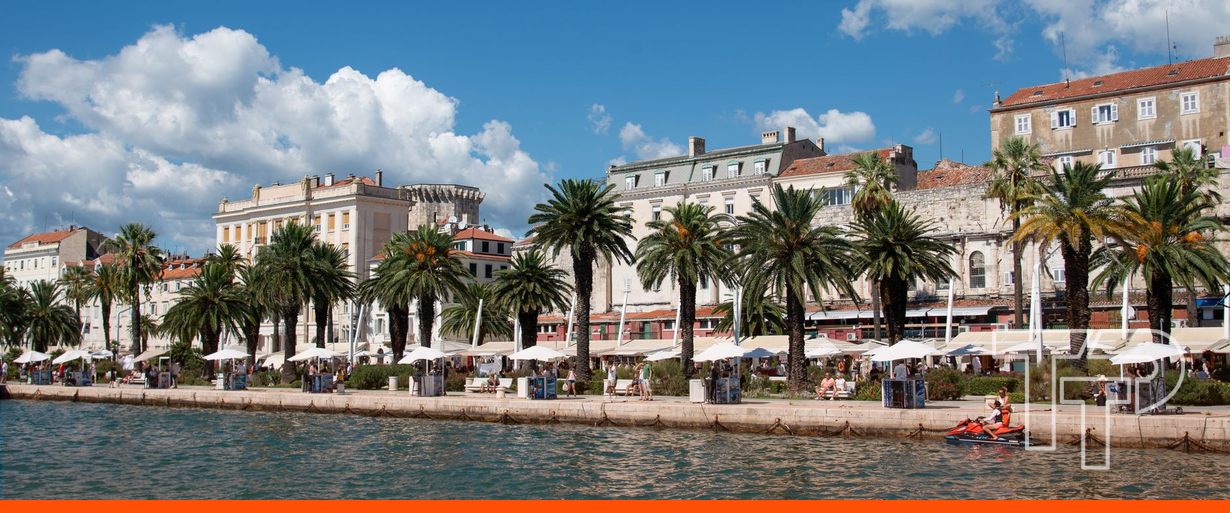




Each year, the ITFA Emerging Leaders initiative challenges the next generation of trade finance professionals to develop and present a project of their own choosing related to the industry. From this year’s entries, three finalists have been selected to present their ideas at the ITFA Annual Conference in Split, Croatia, where delegates will ultimately vote for the winner.
Ahead of the final, TTP is profiling each of the three candidates, exploring the ideas behind their projects and the people behind the pitches. Next up is Ayush Bhandari and his project, Risk that Cannot Travel: Rewiring Trade Finance in a Fragmented World, which asks why viable trade and available capital so often struggle to find one another.
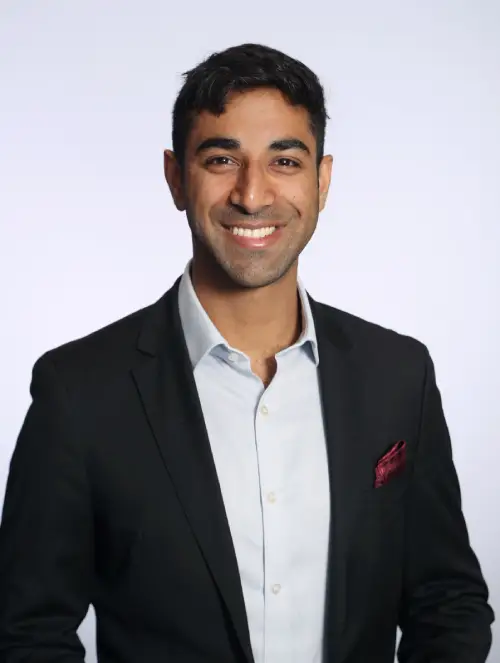
A unique career trajectory has led Ayush to this project submission paper. A career spanning institutional banking, payments, and trade finance has given him a multi faceted perspective on how money, liquidity, and risk move across borders. This gives him a holistic view of the common challenges companies face, particularly in emerging and frontier markets, and of the global trade finance gap more broadly.
The project draws from Ayush’s direct experience in transaction banking and addresses a fundamental contradiction he has identified in the industry: there are enormous pools of global capital looking for assets and yields, while at the same time viable trade transactions across emerging and frontier markets struggle to access financing. Applying his personal lens, he argues that the traditional description of the trade finance gap is incomplete. Often, deals do not fail upon analysis, but rather never even get the chance to be analysed and evaluated. Trade exists, capital exists, but the bridge between them does not always exist.
His paper uses a real-world scenario example from Guinea to highlight how the problem (and indeed the solution) is practical, not theoretical. In this example, a mid-size importer with a repeatable, documented, and essential business can access a letter of credit from a local bank that understands the customer and the underlying risk. The constraint arises when that locally understood risk needs to travel beyond the local bank and into the international financial system. The importer earns in Guinean francs, the trade requires dollars, and the international institution sees a different set of constraints from the local bank. Often, deals do not fail because the credit has been analysed and rejected. They never get that far. Trade exists. Capital exists. But the bridge between them does not always exist. Ayush argues that the traditional originate to distribute model is missing a critical middle step: transformation. Rather than asking every investor to change its risk appetite, the industry can do more to change the form of the exposure so that it can reach the balance sheet best equipped to hold it.
Arguably, it is Ayush’s personal journey as much as his professional one that underpins the broad international perspective that allowed him to write this paper. He moved around a lot as a child and proudly describes himself as global in spirit, Asian at heart, and Irish on paper. It is these global sensibilities at his core that make him approachable and relatable and allow him to find some connection with everyone he meets, regardless of their background. By his own admission, this connection is often based around food!
Ayush is proud of the career he has built across multiple institutions and countries, and enjoys the opportunity to push himself, learn, and progress as he forges forward professionally. But he also has an innate desire to give back, which is why he extensively volunteers with organisations like the Access Project and the Social Mobility Foundation, helping children from underprivileged backgrounds access education.
For Ayush, the project is ultimately about moving the industry from diagnosing the trade finance gap to addressing the mechanics behind it. The building blocks already exist. The challenge now is connecting them so that viable risk can travel.