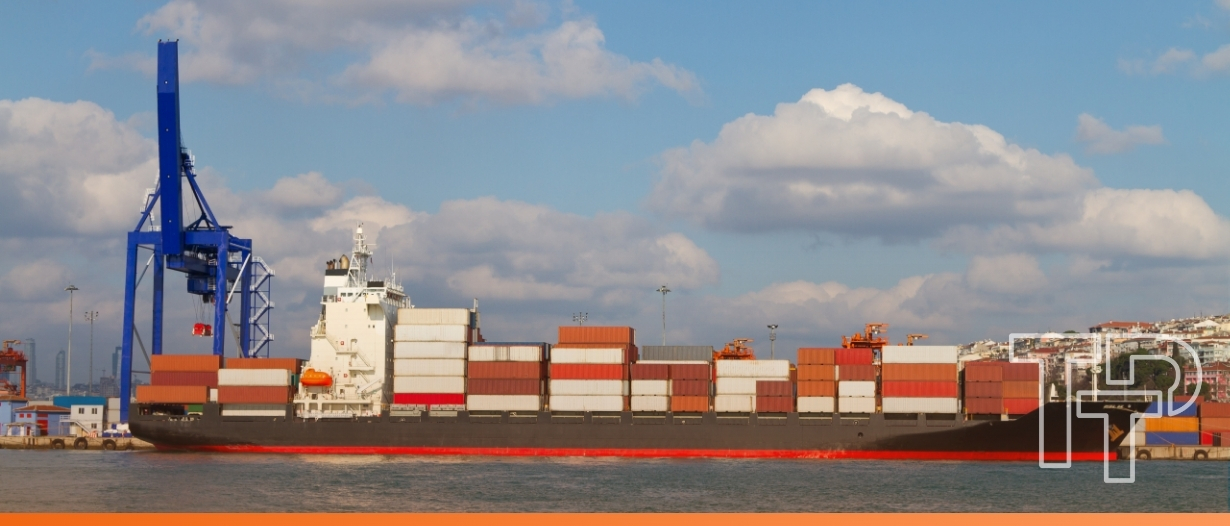

Compared with large corporations, small and medium-sized enterprises (SMEs) continue to face significant barriers to accessing financial support. While global commerce continues to expand, SMEs remain the backbone of international trade.
Today, the global SME finance gap is approximately $2.5 trillion, illustrating numerous challenges for emerging economies and international trade ecosystems. This economic constraint limits the opportunities for smaller businesses to grow significantly and remain competitive amid economic pressures. As global supply chains diversify and developing markets continue to expand, narrowing the financial shortfall has become a strategic priority for countries to enhance economic growth.
At ICISA Credit & Surety Week 2026, the panel discussion under the Trade Finance Conference of Parties (TF COP) highlighted the roles of insurance, export credit agencies (ECAs), and stakeholders in addressing this trade finance deficit. The session brought together both private and public sectors. Duarte Predeira, Chair of the TF COP Task Force and board member of the International Trade and Forfaiting Association (ITFA), joined Daniel de Búrca, Daniel Orders, Jean-Paul Steenbeke, and Suhalb A. Al-Hosalny, each contributing to the discussion.
Why the trade finance gap matters
The financing gap has become a widening bridge that only the biggest players can cross. The persistent financing gap for SMEs remains significant. According to Jean-Paul Steenbeke, Deputy General Manager at Credendo Trade Credit Insurance and chair of the Burn Union’s short-term committee, “The financial gap for SMEs remains stubbornly large worldwide.” The Deputy explained that SMEs face higher rejection and financing costs compared to corporations due to their credit history and limited financial information.
This structure imposes regulatory constraints on SMEs, which are accountable for a large portion of economic development, and can potentially have a detrimental impact across markets. For instance, SMEs contribute to economies by generating employment. The restriction on financial support, in the long term, will limit growth across regions.
Beyond the economic downsides, Trade credit insurance has emerged as a potential tool to address these challenges. Throughout the discussion, panellists emphasised a potential mechanism that can foster economic growth. Trade credit insurance, by insuring exporters against payment risks, helps reduce uncertainty for lenders and suppliers to support financial access to credit in agreed conditions.
The journey toward a unified trade finance
Duarte Pedreira started the discussion by explaining the origins of the Trade Finance Conference of Parties (TF COP). TF COP was founded in 2024 and is designed to reinforce the collaboration between the private and public sectors to minimise trade and financial gaps through coordinated initiatives.
During the panel discussion, Pedreira also mentioned the Washington Declaration as the foundation of TF COP, which outlined three objectives: Halving the SME trade finance gap by 50% by 2030, eliminating it by 2040, and recognising the financial gap as a sustainability risk associated with the United Nations Sustainable Development Goals.
To support these objectives, TF COP executed a task force portfolio by incorporating a think tank and an incubator model. The primary goal of the think tank is to focus on research and policy development. In parallel, the incubator builds “sandboxes” where it enables industry experts to test new solutions designed to achieve a bigger scale.
Duarte further explained that this strategic approach has become one of the largest collaborative projects involving trade finance, government, and SMEs. This method represents the transformation from theoretical conversations toward practical activities. To address financing challenges in developing economies, this model offers one of the most promising solutions to tackle the SME financing gap and ultimately drive global economic certainty.
The evolving role of export credit agencies
Export credit agencies (ECAs) have become another key actor in bridging the trade finance gap. Suhalb A. Al-Hosani of Saudi EXIM Bank emphasised that ECAs should not be perceived as financial institutions but as an economic turning point in liquidating international trade.
In contrast with private lenders, ECAs have border policies and processes which allow them to support higher-risk markets with more flexibility. In developing markets, these agencies frequently involve partnerships with developing financial institutions and local banks. Instruments such as market knowledge, guarantees, and direct financing can help mitigate risks that might create barriers for financial accessibility.
Türk ExIm Bank is a great example of how the bank has expanded its cooperation with local financial institutions and export credit agencies to strengthen trade finance support to exporters. These collaborative processes enable institutions to evaluate risk more efficiently while providing opportunities to support SMEs to achieve their goal.
Bridging the gap through industry collaboration
As panellists observed, “one hand cannot clap.” The remark captured a central theme of the discussion. The trade finance ecosystem will be essential to tightening the gap. Jean-Paul highlighted that technological innovations such as artificial intelligence may help improve credit assessments. “AI will definitely help when there is a lot of information,” Steenbeke said. While the technological breakthroughs offer high-level capability to utilise data, panellists agreed that technology alone cannot overcome these gaps. In fact, AI with limited data cannot outperform human input and direct physical engagement.
Moreover, Suhalb A. Al-Hosaly also stressed that effective trade finance solutions depend on collaboration among stakeholders. “You cannot do this in one hand,” he demonstrated. Collaboration between public and private sectors is essential when entering higher-risk markets. Trade finance requires a collaborative ecosystem where institutions share the same goal.
Jean-Paul Steenbeke also pointed to the role of the industry associations in supporting information exchange. “The sharing of information and seeing the numbers can help in developing this business,” Jean-Paul said. Transparency in trade finance can enhance understanding and risk management in complex market environments.
In the end, closing the gap will require commitment from both private and public spaces. Access to trade finance in emerging regions will entail integration between new technologies and active partnerships. As global trade continues to evolve, expanding financing for SMEs will remain a top priority for global economic growth.