Paper built global trade and global fraud. Can digital do better?
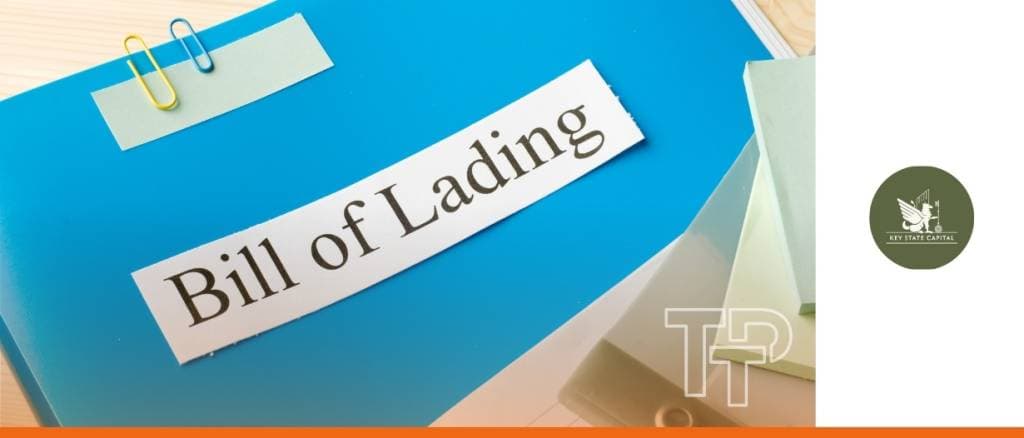
Bills of lading underpin the movement of goods by sea, serving as a receipt, a contract of carriage, and a document of title. They are as essential to container ships as they are to fishing boats and cruise liners. Yet, despite their central role, most are still issued on paper. Efforts to digitise them have so far faltered.
Before the bill of lading, cargo records were little more than a ship’s register, with a clerk noting goods loaded and unloaded. This was workable when merchants travelled with their cargo. As trade expanded and shippers stayed onshore, the need for independent proof of goods led to the widespread use of bills of lading by the sixteenth century, often detailing quantity and condition and frequently appearing in shipments to and from Spain.
Paper has served global commerce for centuries, but its inefficiencies are glaring in a digital economy. Physical documents must pass between shippers, carriers, banks, ports, and other intermediaries, creating costly delays and administrative bottlenecks.

Digitisation promises faster, more secure transactions with fewer handoffs, reduced friction, and the potential to unlock trillions in additional trade.
The International Chamber of Commerce estimates that digitising trade documents could increase G7 trade by 43 per cent, adding six trillion US dollars in exports by 2026. Average trade costs could fall by 84 per cent, and border compliance times could drop from 25 days to less than one. The UN Economic and Social Commission for Asia and the Pacific calculates that even partial adoption of cross-border paperless trade in Asia Pacific could deliver 36 billion US dollars in additional exports each year. Full adoption could add 257 billion US dollars annually, cutting export times by up to 44 per cent and reducing direct costs by as much as 31 per cent.
Why trust is the real bottleneck
Global initiatives, including the UNCITRAL Model Law on Electronic Transferable Records, the “25 by 25” pledge and the FIT Alliance, are pushing the adoption of electronic bills of lading. But digitisation on its own does not solve the problem. Trust in the authenticity, authority, and control of documents remains critical. Both paper and digital systems carry fraud risks. Forgery and duplication plague physical documents (example case), while cyberattacks and tampering threaten digital ones.
MLETR sets legal and technical criteria for secure electronic bills of lading. They must be identifiable as originals, tamper-proof, under the exclusive control of a single authorised holder, and transferable without residual control by previous holders.
Secure encryption cannot offset the risks of a centralised system. Trade is inherently global, involving diverse parties who must verify control and authenticity without reliance on a single platform. Decentralised frameworks distribute trust, support cross border interoperability, and remove single points of failure, improving resilience and scalability. The collapse of TradeLens, a Maersk and IBM blockchain initiative, underlines the point. Despite its technical promise, its governance structure left too much control with the founding partners, deterring industry adoption (analysis).
One emerging solution is the Verifiable Legal Entity Identifier, which uses cryptographic proof to bind a document to the identity of an organisation and its authorised signatory. In practice, vLEIs enable instant verification of the issuer’s identity, proof of authority for the signatory, and tamper evident linkage between content, signer, and entity. In April 2024, GLEIF, ICC United Kingdom, the World Trade Board, and the Centre for Digital Trade and Innovation called for wider vLEI adoption to strengthen electronic trade.
Multiple initiatives are now pursuing interoperable, verifiable digital trade frame