Updates: Navigating rules, policy and the digital future of trade finance, ICC United Kingdom

Deepesh Patel
Editor in Chief, Trade Treasury Payments
Published 3 Mar 2026
Developing story
Live Updates
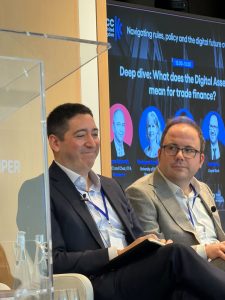
- Moderator: Sean Edwards, SMBC and Chair, ITFA
- Prof Sarah Green, University of Bristol and Newmans Row
- Paul Landless, DLA Piper
- Jon Boran, Lloyds Bank
- Duncan Lodge, Bank of America
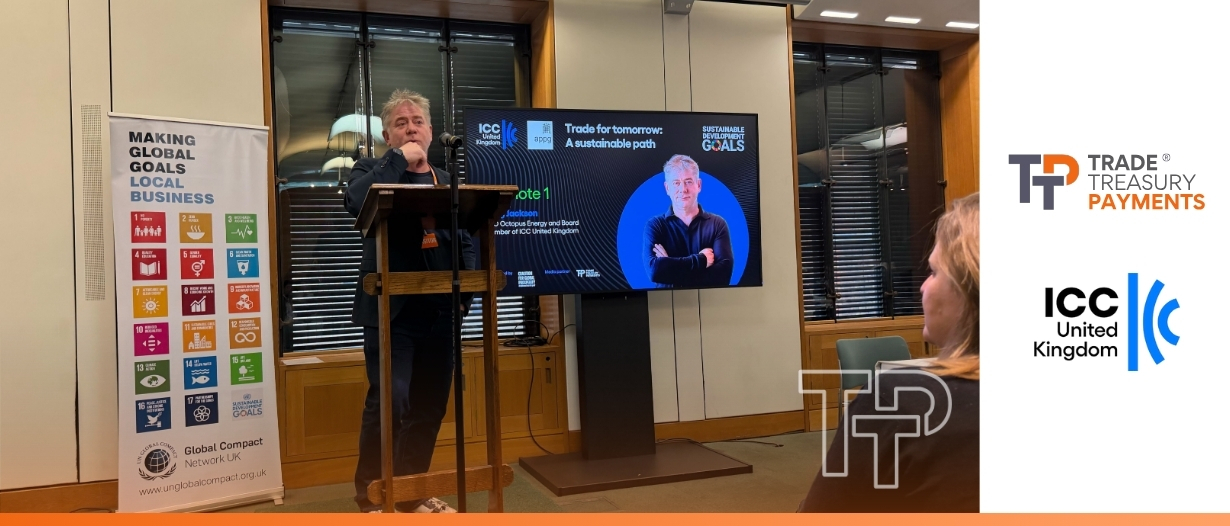
Trade Treasury Payments are delighted to be media partners at the ICC United Kingdom half-day trade finance conference: Navigating rules, policy and the digital future of trade finance.
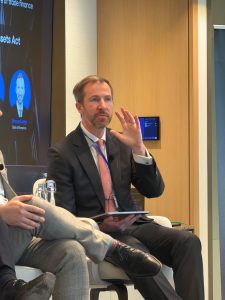

Swift – The cost of fragmentation could cost: $2.8 trillion, 2.6% global GDP
- Moderator: Brendan Vickers, Policy Director, ICC United Kingdom
- Irina Tyan, Associate Director in the Trade Facilitation Programme, EBRD
- Oswald Kuyler, Senior Digital Trade Advisor, ADB
- Lawrence Freeborn, Industry, Insights & Intelligence, Swift
ICC Banking Commisson updates – Commission and UK
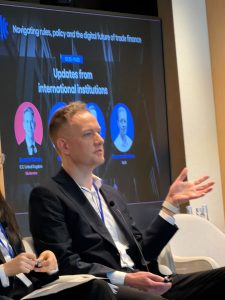
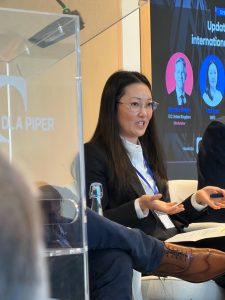
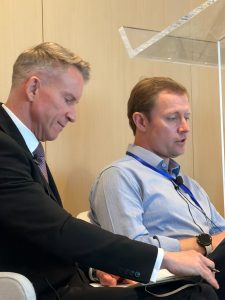
Updates from the ICC Banking Commission. On a panel, TTP Global Advisory Panel member, Tomasch Kubiak, International Chamber of Commerce, provided updates from the ICC Banking Commission.
- Making trade finance cheaper, faster and simpler, and promoting trade finance through clarification of market practice, clear standards, clear rules and clear definitions.
- Clarification across sustainability, digitalisation, and guidance on crime, risk and regulation.
- Repeated messaging to regulators that restricting trade finance restricts the ability to finance the real economy, with ICC’s biggest asset being the provision of hard and sound data via the ICC Trade Register.
- Increasing partnership and membership to achieve bigger representation in the data and stronger representativity of ICC members, including countries from the Global South.
- Cooperation with development banks, DFIs and UN agencies, leveraging ICC’s UN observer status.
- Ongoing projects including MLETR-related work, negotiable electronic cargo documents, API work with SWIFT, and continued reliance on national committees (notably ICC UK) to drive the agenda, with meetings scheduled in Paris and again in November in the UK.
- Moderator: Chris Southworth, Secretary General, ICC United Kingdom
- Emmanuelle Butaud-Stubbs, Secretary General, ICC France
- Tomasch Kubiak, Policy Manager, ICC Banking Commission
- Krishnan Ramadurai,Update on Regulatory Advocacy Working Group (GCD)
- Maria Mogilnaya, Update on Commercialisation Working Group (CargoX)
- Kaushika Ruwangalia (HSBC)
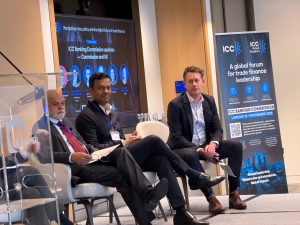
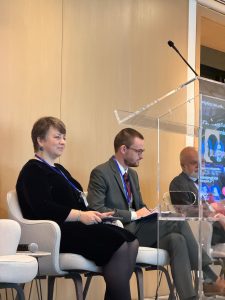
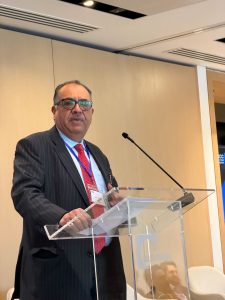
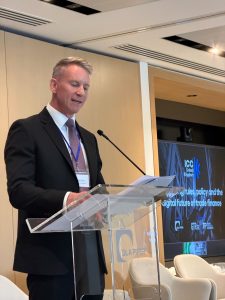
The ICC United Kingdom trade finance conference is now underway, with chair, Parvaiz Dalal and Brendan Vickers introducing the half-day conference at DLA Piper, London, exploring the regulatory, policy and digital developments transforming the industry.
Trade Treasury Payments are delighted to be media partners of this conference.