Sibos 2026: Live reporting from TTP at Miami

Deepesh Patel
Editor in Chief, Trade Treasury Payments
Published 27 Sept 2026
Live Updates
Global trade is undergoing significant change on the back of shifting trade patterns reshaping where and how business gets done. International Trade Centre (ITC) suggests that 47% of the UK’s total exports still remain unrealised, and globally, that equates to $11 trillion of untapped export potential. The key constraints cited, were access to finance, fragmented processes and limited intelligence.
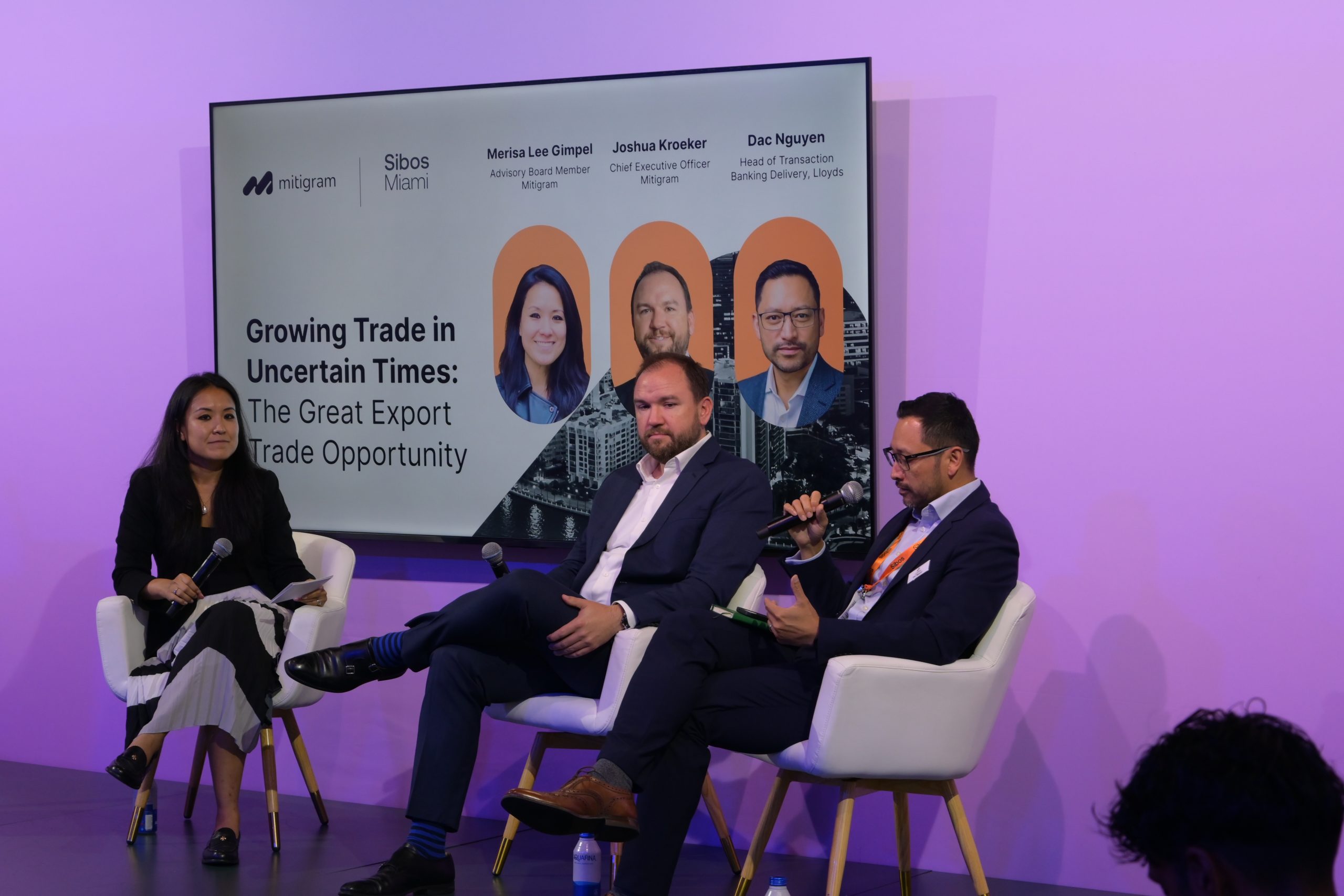
In a panel moderated by Merisa Lee Gimpel, Founder, Digital Trade Works, we heard how banks and technology providers are working together to turn export opportunities into real trade.
On the panel at Sibos, Miami:
What does it take to create greater certainty in cross-border payments?
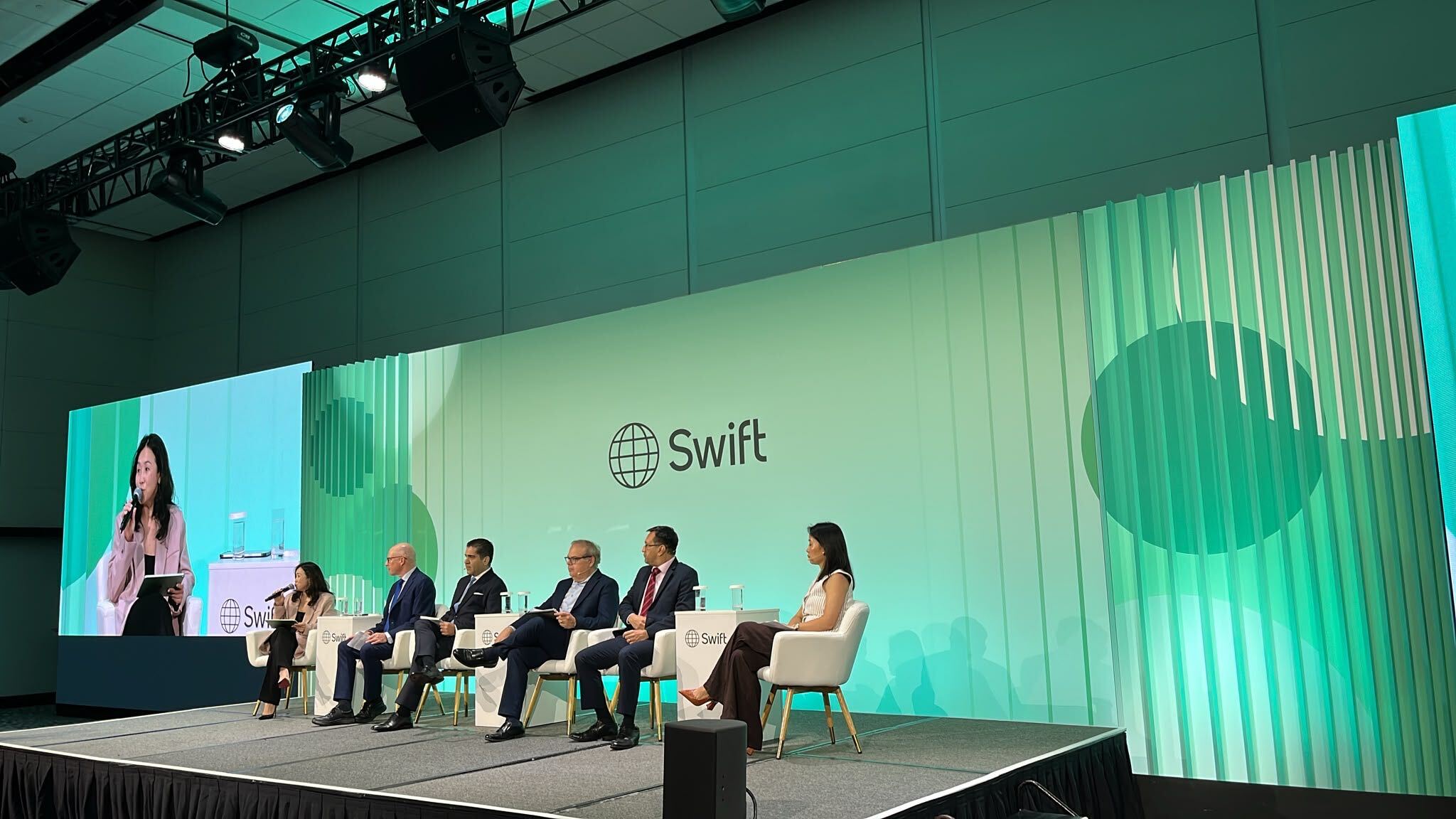
At Sibos 2026, the session “Full value delivered: creating certainty in cross-border payments” addressed a vital question: How do we build cross-border payment networks that customers can trust completely?
The panel featured insights from
Stuart Bailey | Lloyd’s
Angelo Duarte | Banco Central do Brasil
Sanjay Sethi | First Abu Dhabi Bank (FAB)
Joyce S. | Swift
Sharon Toh 卓美玲 | Swift
Anupam Verma | ICICI Bank
Spanning customer experience, transaction banking, and market infrastructure, the panel discussed what it will take to move from friction to predictability in a fully connected global payments landscape.
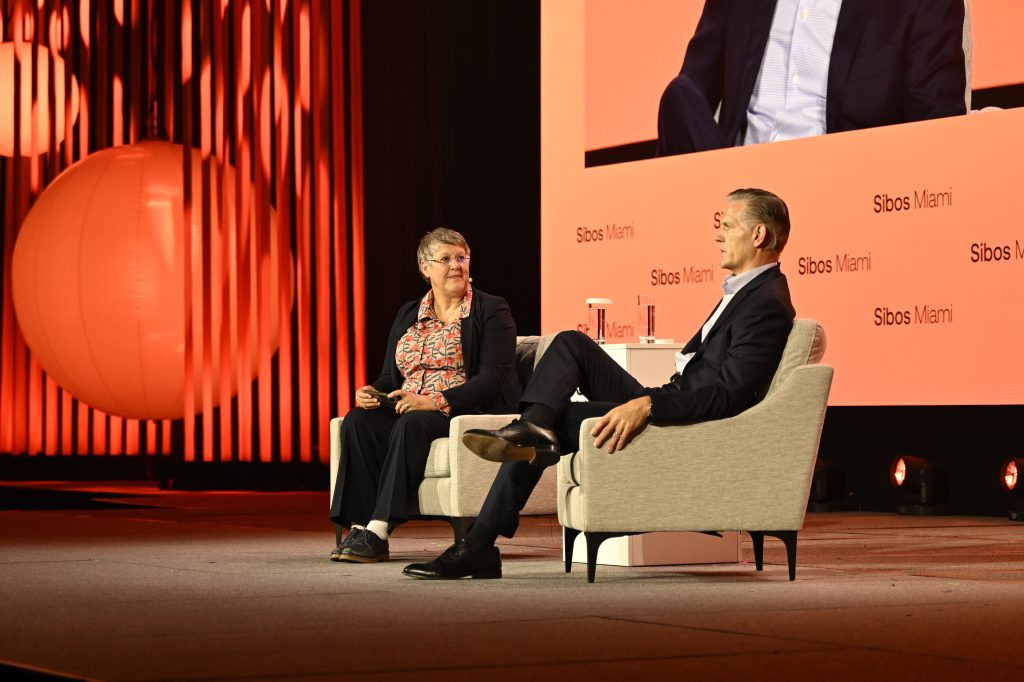
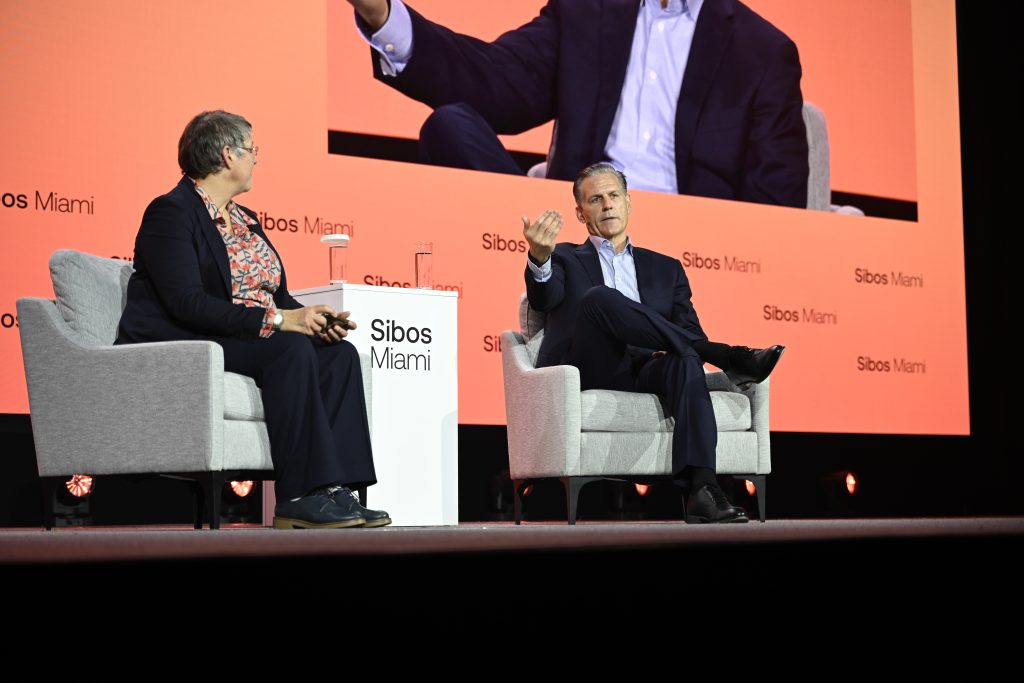
“Payments are the lifeblood of any economy, and our focus remains on turning core utility into strategic drivers of client growth”, said Dean Athanasia, Co-President, Bank of America, during the “View from the Top” conversation with TTP’s Transaction Banking and Payments Editor Joy Macknight, at Sibos 2026 in Miami.
Dean and Joy talked about how the bank approaches AI and next-gen payments technology. The conversation moved from how middle-market and corporate clients are navigating inflation by expanding into new global markets, to how industry platforms like SWIFT prove that modernising commerce requires cross-bank partnership.
They also discussed how AI tools now give bankers instant, 360-degree client snapshots in seconds instead of days, and how 24/7 settlement is expanding real-time cross-border capabilities to move funds globally in seconds.
Dean focused on the fact that no single financial institution can modernise global commerce alone. You have to partner, set down competitiveness for a moment, and build what’s right for the industry.
Real financial transformation happens at the intersection of scale, technology, and strategic partnership.
🪩 What a night!
A huge thank you to everyone who joined Trade Treasury Payments (TTP) and Surecomp for our Sibos 2026 Rooftop Celebration in Miami!
Trade Treasury Payments and Surecomp brought the trade and payments community together for an evening of conversation, connections and celebration at the TTP x Surecomp Sibos Party.
From networking and live entertainment to great conversations with leaders across trade finance, treasury, and transaction banking, it was the perfect break from the busy conference floor.
Thank you to everyone who joined us and helped make the evening such a memorable part of Sibos 2026.
Special thanks to our incredible partner Surecomp and supporter Amazon Web Services (AWS) for helping make this unforgettable evening happen.
Until the next one!


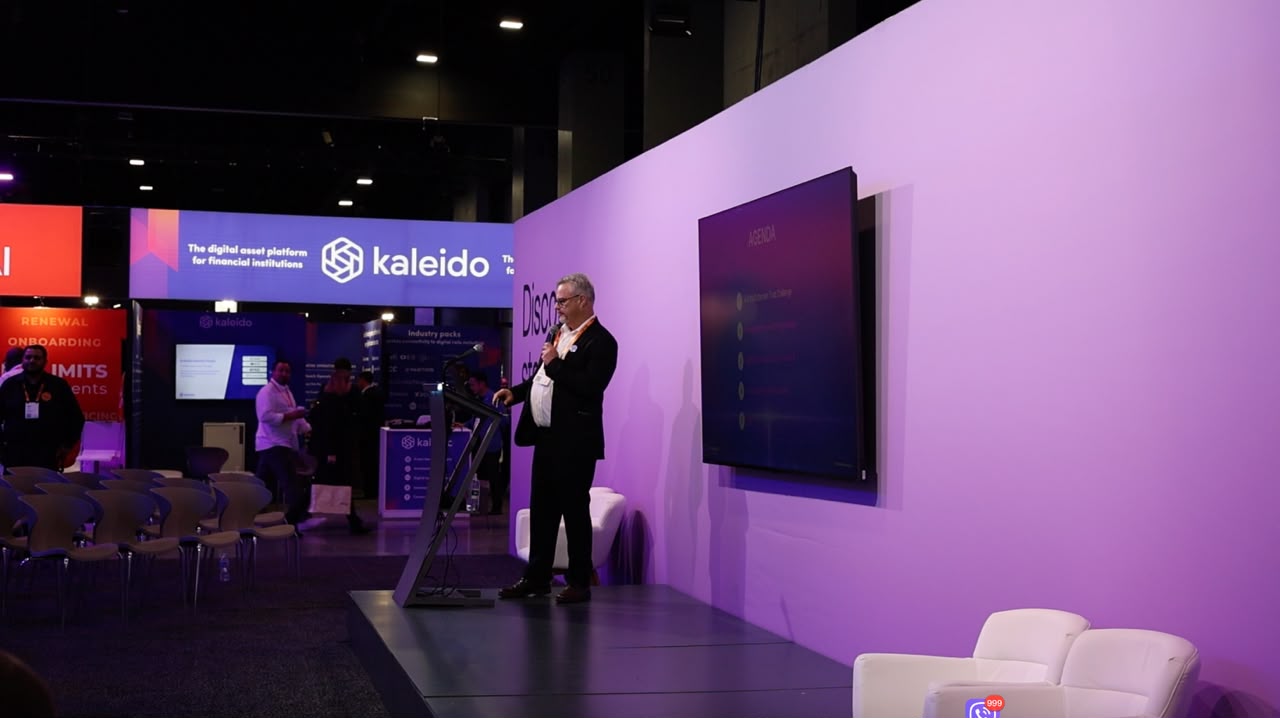
Reporting from the Discover Stage at Sibos Miami.
Doug Ballantyne, Regional Director at MS Solutions Group,
just took the stage for “Why AI Alone Won’t Accelerate Payment Clearing & Settlement.”
The session explored an important question for payments practitioners: as AI becomes increasingly embedded in financial services, what else needs to change to accelerate payment clearing and settlement?
Six key themes:
1. AI can improve settlement intelligence, but it can’t replace settlement control, because practitioners are judged on the action, record and final position, and not the prediction.
2. The payments estate has shifted, with new rails, real-time expectations and rentable infrastructure, so we need to focus on who owns the position.
3. Fragmentation is a handover problem rather than a vendor-count problem, and “unified” means one authoritative transaction lifecycle, rather than a monolithic system.
4. The closed loop of observe, decide, enforce, record and learn matters because intelligence without enforceability is just another alert.
5. The foundation is three layers (systems of record, control and orchestration, then AI), and owning the control layer and its token domains keeps agents, wallets and other rails as clients of your ledger rather than owners of your truth.
6. Start with one bounded, reversible use case and a 90-day flow-mapping roadmap, and don’t outsource the state: own the ledger, the position and the token domain.
Stay tuned, the Trade Treasury Payments team will be producing a long read from this insightful session, bringing together the key perspectives from the discussion!
Happening now at Sibos 2026
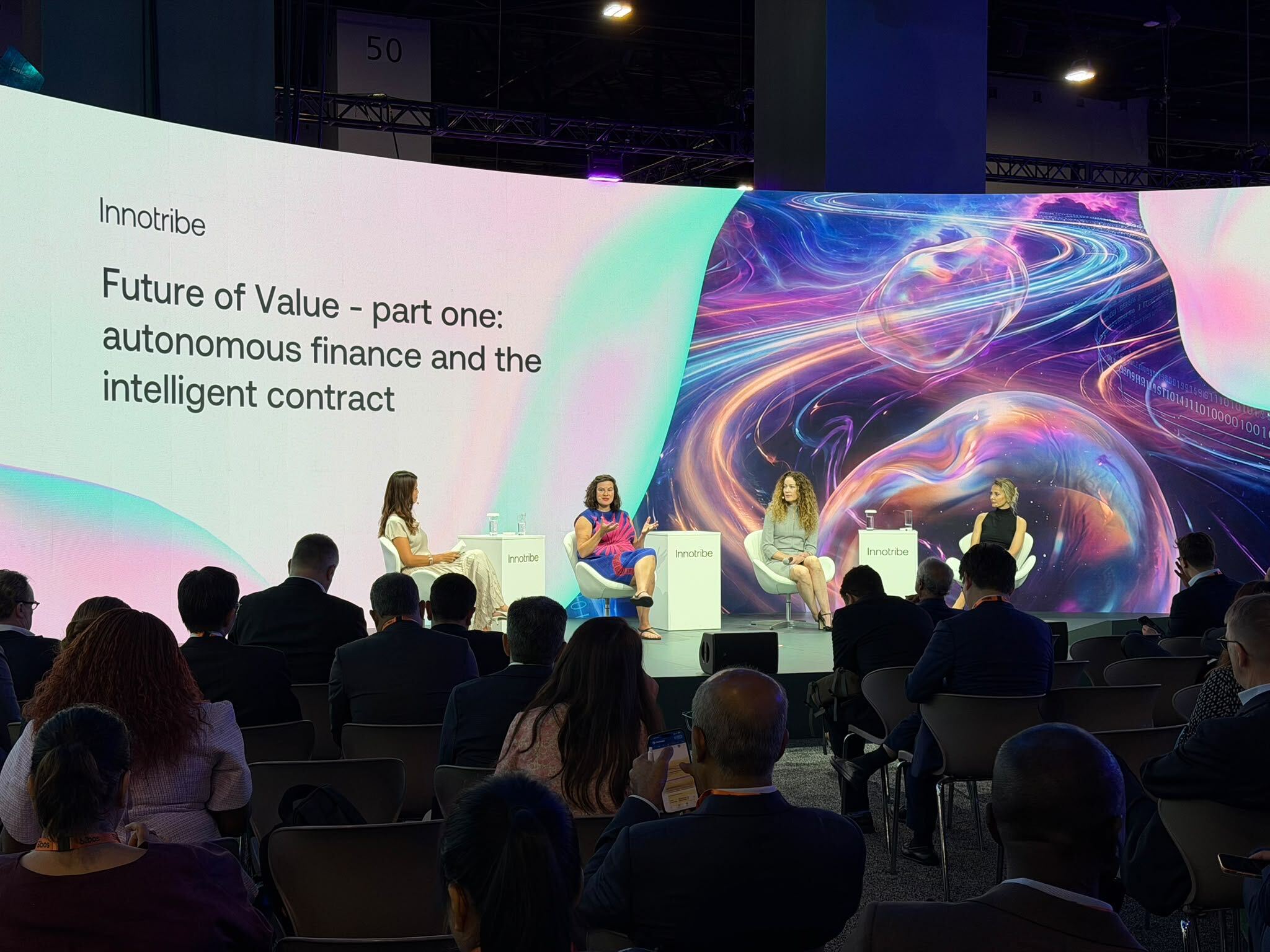
Innotribe: Future of Value – part one: autonomous finance and the intelligent contract
Live from Miami, Dr. Alisa Di Caprio, Lead Economist at Swift, Diana Paredes, Co-founder and CEO of Suade Labs, Irina Chuchkina, GTM Advisors, and Léa Salamon, Presenter and Executive Producer at FF News | Fintech Finance, are exploring how AI agents, intelligent contracts and programmable money could reshape the future of finance.
The session looks at how financial assets and contracts could become more intelligent and autonomous, alongside the technology and regulatory challenges that come with it.
📍 TTP live from Sibos 2026, Miami
How is transaction banking being reinvented?
At the BAFT Women in Transaction Banking event on Day 2 of Sibos, industry leaders from Deutsche Bank, Itaú, TerraPay, Wise, and Swift came together for a panel discussion on the forces reshaping transaction banking.
From new technologies and evolving payment rails to changing client expectations, the conversation explored what it takes to build the next generation of transaction banking.|
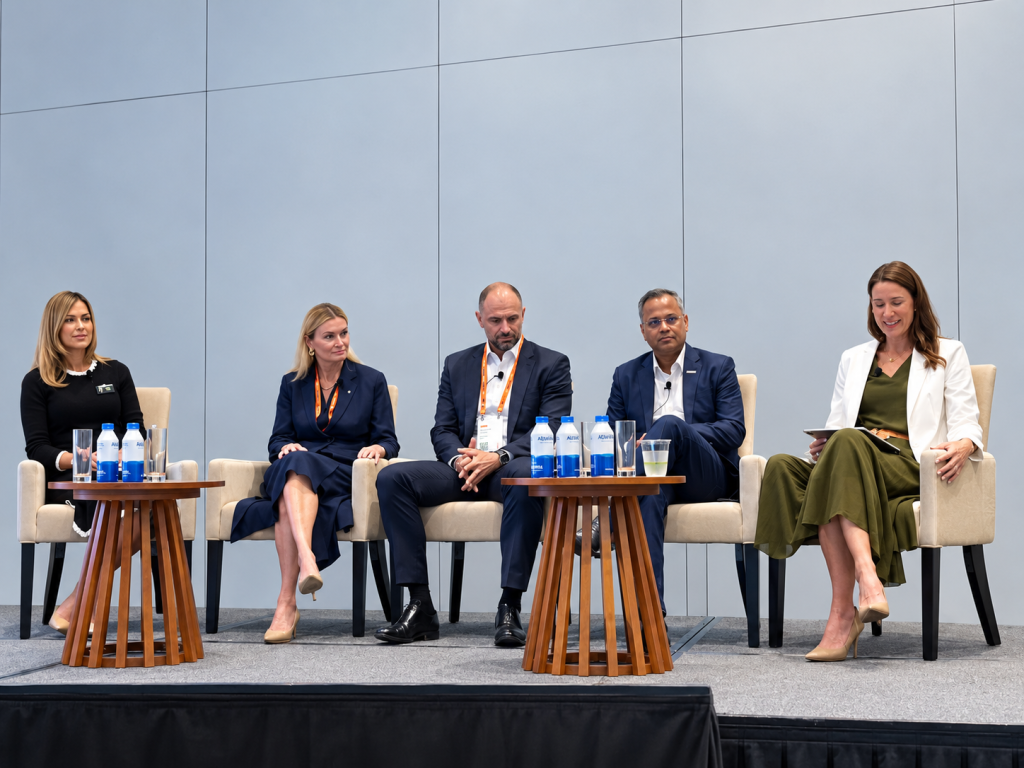
It’s a wrap on Day 1, and Sibos has been full of updates, interviews and closed-door conversations with our reporting team, on the ground in Miami.
Some themes throughout the day:
- Finastra launched a supply chain finance solution aimed at helping banks scale working capital programmes.
- HSBC launched “smart checking”, an AI tool for trade finance documentation processing.
- Lloyds launches Get Paid invoicing tool to help business customers manage payments and reduce admin.
- Swift connects domestic payment systems to enable seamless cross-border transactions.
- BNY launches Pay-to-Wallet capability for cross-border payments to digital wallets.
- Insight: Devanshee Dave reports live, on what it takes for T+1 to become reality, with standards, data and collaboration as the themes.
Stay tuned with the latest updates on liquidity, payments and correspondent banking with Trade Treasury Payments.
Our team at Sibos: Carter Hoffman, Joy Macknight, Eleanor Hill, Ben FitchVirtually at Sibos: Tim Staheli, James Dorman, Devanshee Dave, Rochelle Agustin

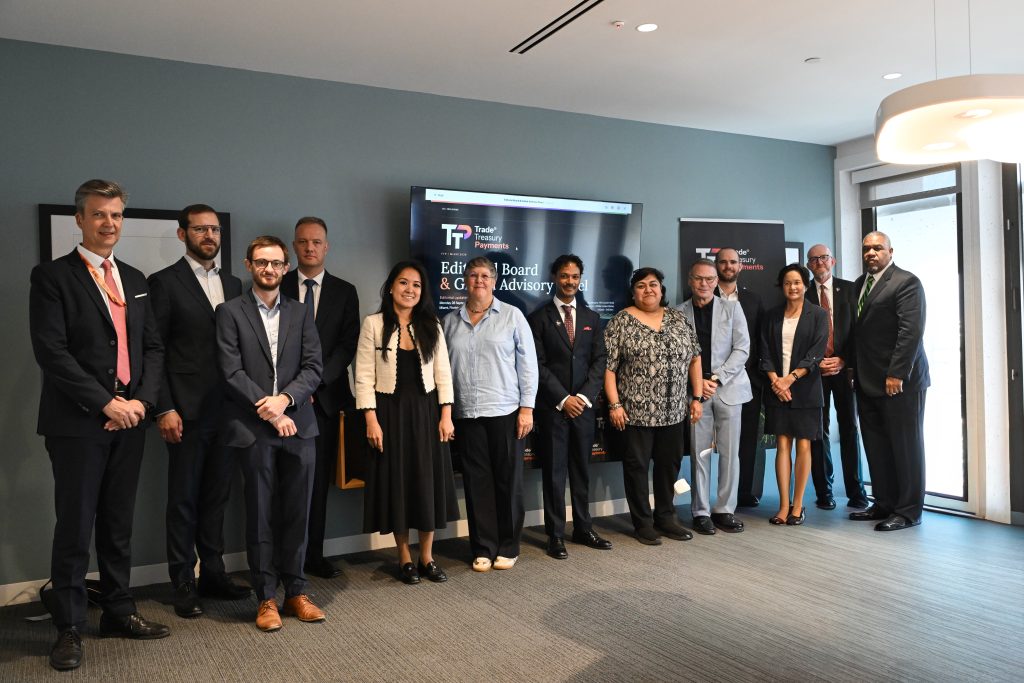
Ahead of Sibos, Miami, TTP held its first in-person Editorial Board and Global Advisory Panel (GAP) meeting, discussing key themes for the year ahead in liquidity and risk management.
TTP’s Editorial Board comprises an independent panel of 11 industry experts providing external review, editorial strategy, and quality assurance across all published material. The Board also maintains the Editorial Policy and reviews this annually.
The GAP comprises a network of 62 senior practitioners from banks, multilaterals, corporates, and fintechs across six continents. The GAP contributes subject-matter expertise through sector-specific and geographic panels, without editorial control or commercial influence.
Find out more about our governance here https://tradetreasurypayments.com/our-governance
Pictured (left to right):
Jochen Anton-Boicuk, Enno-Burghard Weitzel, Tomasch Kubiak, Oswald Kuyler, Merisa Lee Gimpel, Joy Macknight, Deepesh Patel, Deepa Sinha, Alan Koenigsberg, Carter Hoffman, Pamela Mar, Alex Gray, Tod Burwell
It’s a wrap, at the BAFT Global Councils Forum 2026, at Sibos, Miami.🇺🇸
Here were the eight key themes in trade and payments coming out of the day:
- Multi-rail strategy is now essential. Banks are routing transactions across cards, ACH, wires, real-time payments and cross-border rails based on speed, cost and certainty rather than relying on one single channel, which is also backed up by data from the Federal Reserve Payments Study (FRPS).
- Interoperability topped audience polls, on what will most shape correspondent banking over the next several years, ahead of AI or creating new payment rails on.
- No single technology reshapes transaction banking in isolation. Panellists argued that AI, real-time rails, stablecoins and digital assets only produce meaningful change when combined, an effect one speaker called a “multiplier.”
- Legacy infrastructure and tech debt were repeatedly flagged as the biggest constraint on delivering the client experience now expected.
- Data and standards fragmentation across jurisdictions is a persistent operational burden. Differing requirements for beneficiary addresses, tax IDs and structured data force banks and clients to rebuild data sets for every clearing scheme.
- People and trust were named as the top investment priority by several panellists when asked what they’d invest in given unconstrained resources, over pure technology spend, arguing clients choose institutions based on the teams guiding them through change.
- Only 40% of banks in the network can currently comply with structured addressing requirements, cited as evidence that technical readiness lags strategic ambition. (TTP reported on this recently, launched in Issue 06: Rewired: https://tradetreasurypayments.com/articles/return-to-sender-outcome-unknown-inside-the-race-to-meet-swift-s-iso-20022-address-deadline)
- Client expectations are consumerising wholesale and correspondent banking, with corporate treasurers now expecting the same 24/7 transparency and real-time payment status visibility as retail apps, a standard the panel said the industry hasn’t yet uniformly met.
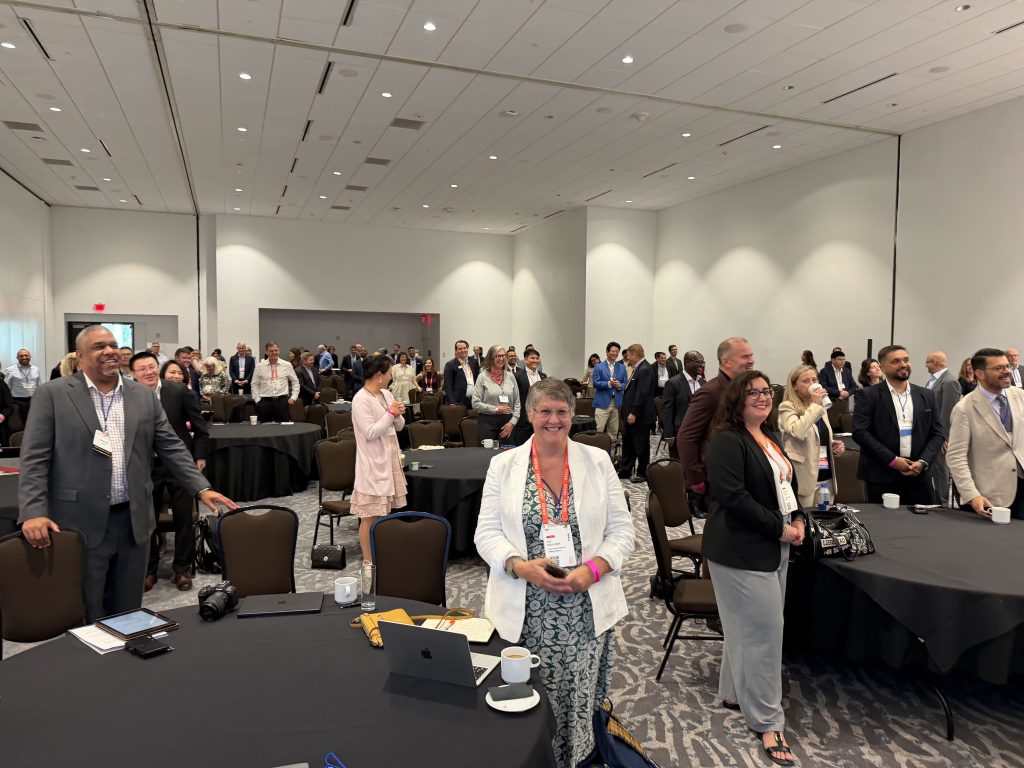
Will transaction banking departments exist in banks in ten years time? Over 44% of participants said that multi-rail payment orchestration and programming money is the single biggest gap between what will matter for transaction banking in 2030, and their institution’s readiness to scale it today.
It’s a full house as we close up at the BAFT Global Councils Forum 2026, with a transaction banking leaders roundtable, moderated by Michelle Gauchat, Deloitte.
Panelists Themba Rikhotso, ABSA, Lisa Vasic, ANZ and Chad Wallace, Scotiabank, discussed how AI, real-time rails and digital assets are converging to reshape transaction banking by 2030, and debated whether technology or talent is the bigger lever for institutional readiness. Notably, several panelists argued that investing in people and trust, not just infrastructure, will be what separates banks that scale successfully from those left behind.
Trade Treasury Payments are delighted to be media partners at the conference, as we gear up to a week reporting on the latest developments in trade, payments and transaction banking at Sibos Miami.
Multi-rail strategy meets US expansion
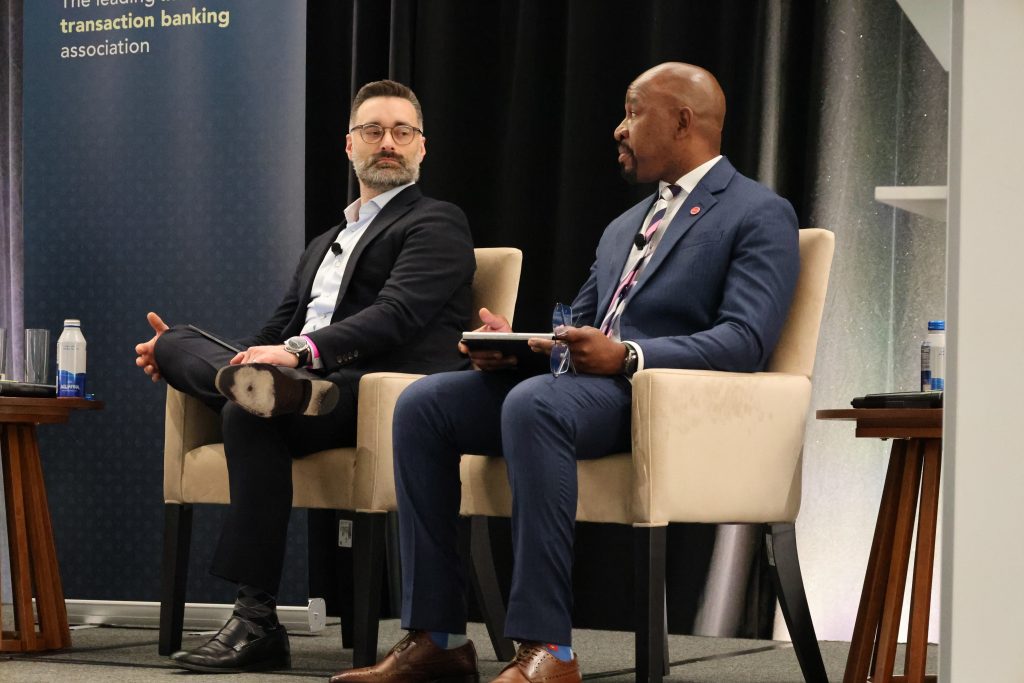
As TTP proudly media partners the BAFT Global Councils Forum at Sibos Miami, one session we’re watching closely: “Expanding into the US: Building a Diverse Payments Toolkit for Resilience, Reach, and Client Choice.”
As Latin American banks grow their US footprint, client expectations for payments are converging on being fast, transparent, cost-effective, and always-on.
But delivering that across ACH, real-time rails, wires, and cross-border options means navigating real operational complexity and knowing how to route each payment on speed, cost, and certainty.
Moderated by Marco Dunn (JP Morgan), with panelists Ray Chalub (Banco Inter), Mario Fujii (BB Americas Bank), and Marc Pettican (Mastercard), this session digs into what a genuine multi-rail strategy looks like in practice.
Where’s the biggest influence or impact on correspondent banking in the next 3 – 5 years?
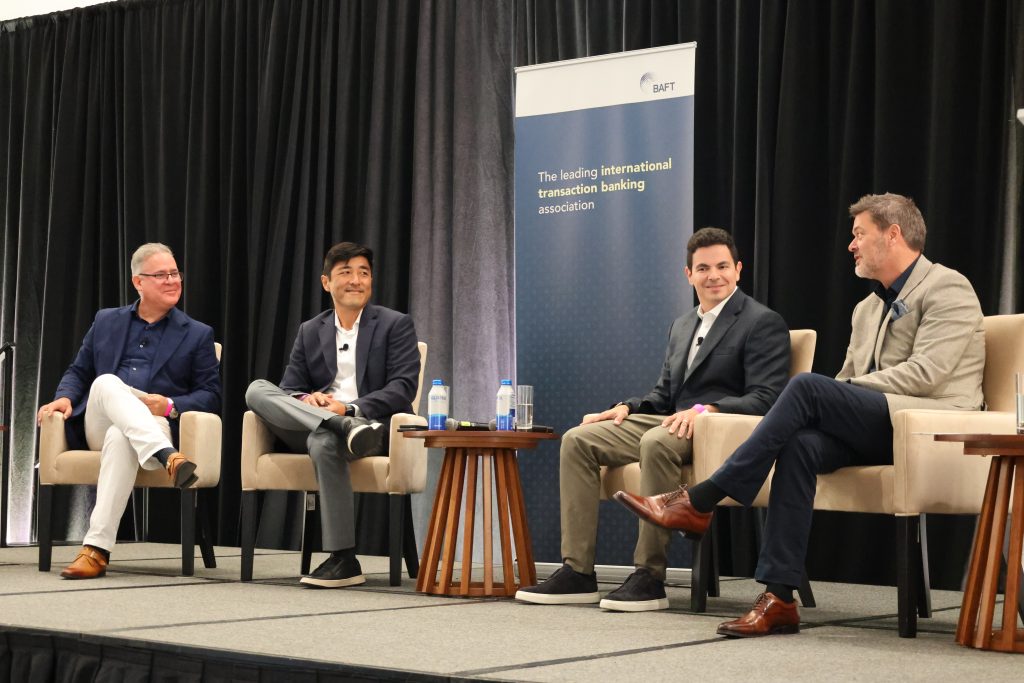
Interoperability, over clearing channels, stablecoins and compliance economics, was voted the number one challenge, hindering access to correspondent banking ecosystems in the near future.
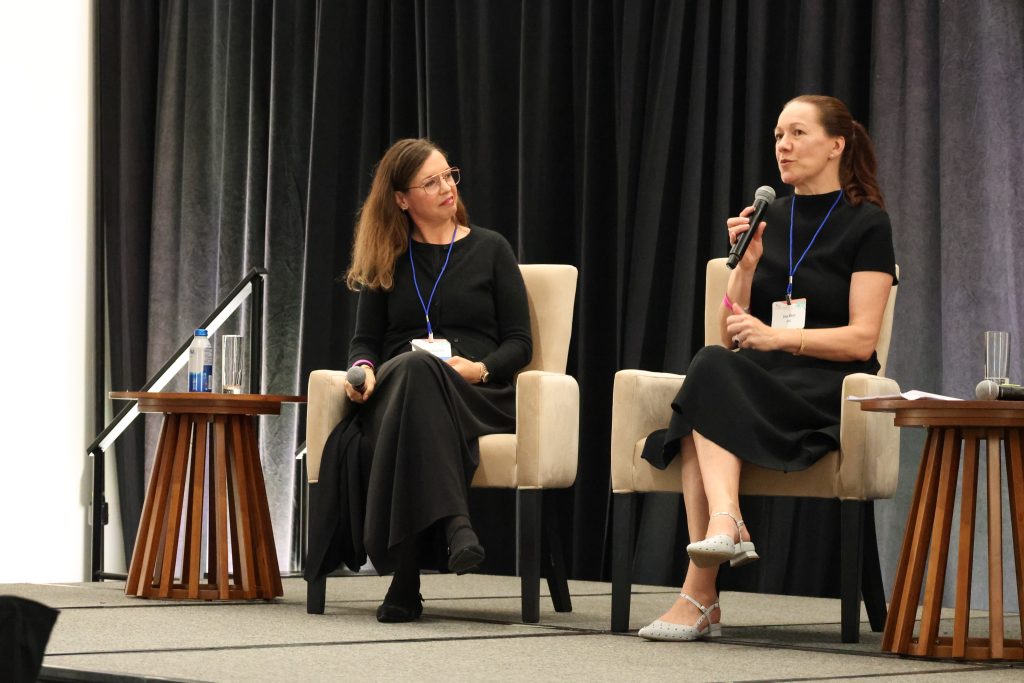
In a panel at BAFT’s Global Councils Forum 2026, moderated by Dyanne Carenza, Board Member and Strategic Advisor, panelists discussed the need to retrofit and rethink the end to end flow of information, data and transactions through banks
On the panel, Sandeep Gupta, Visa Direct, Sebastien Kucharek, Citi and Ainsley Ward, CGI, discussed the challenges behind increasingly fragmented information across banks, partner platforms.
TTP are delighted to be media partners, reporting at BAFT’s Global Councils Forum, held on the sidelines of Sibos 2026, in Miami.
Deepesh Patel | Joy Macknight
And we have lift off!
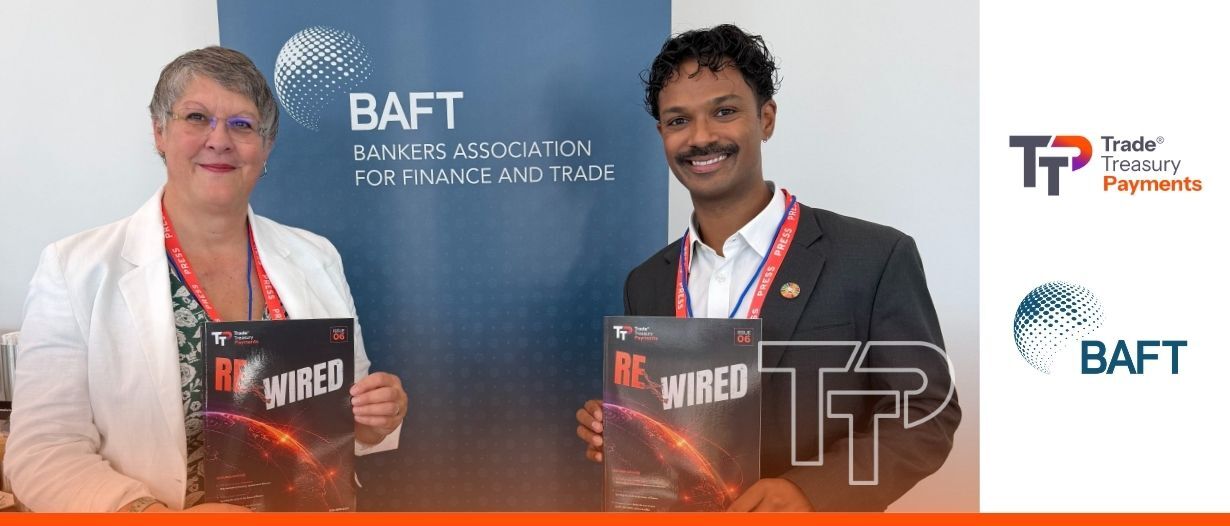
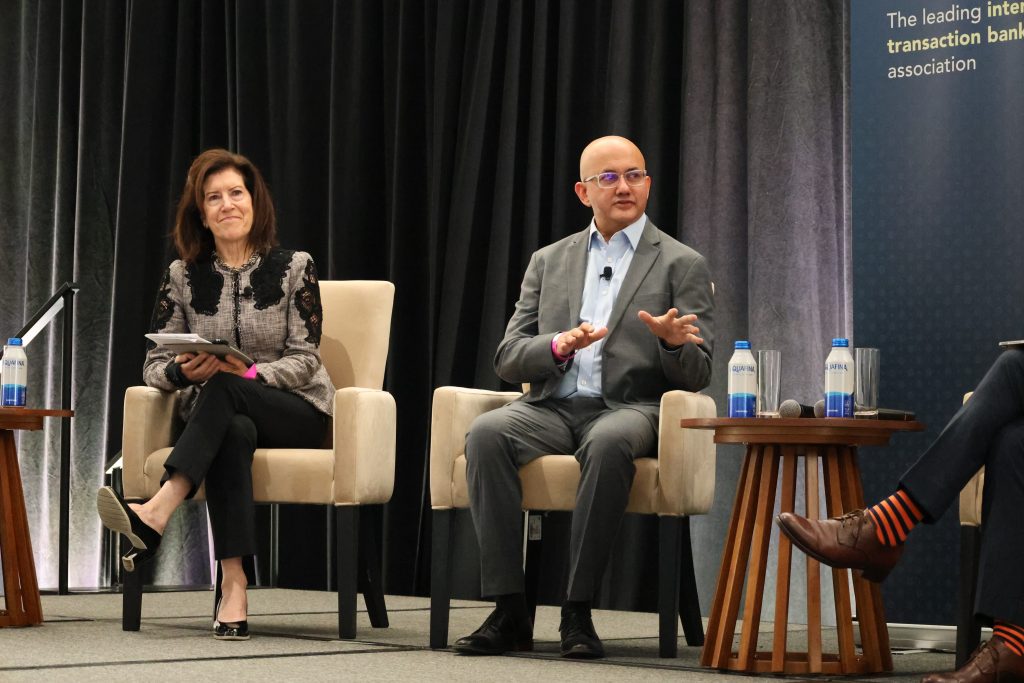
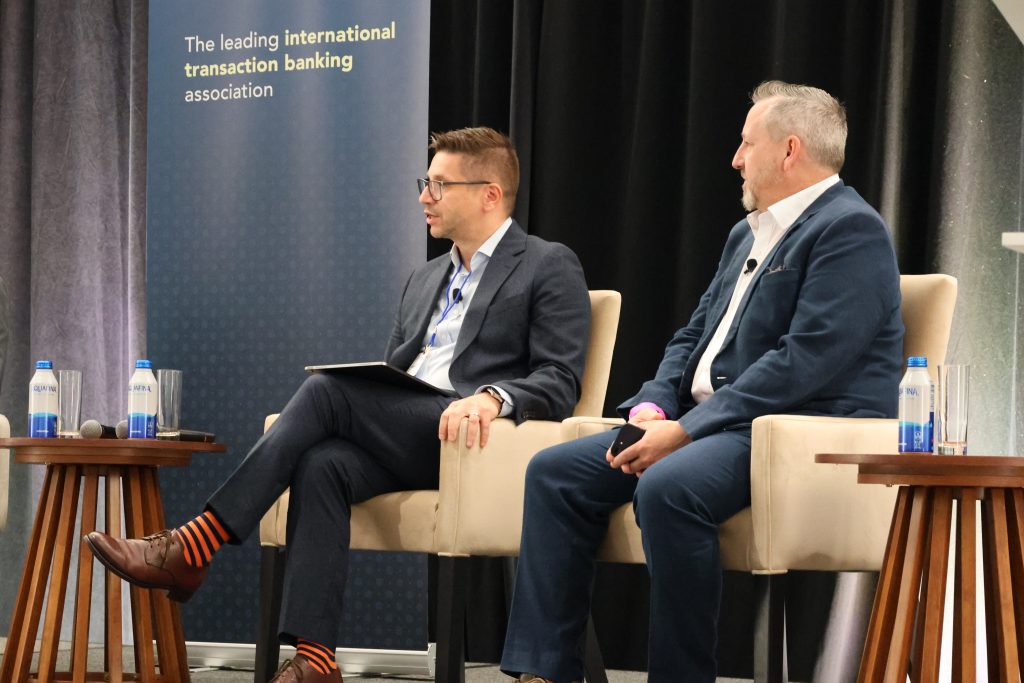
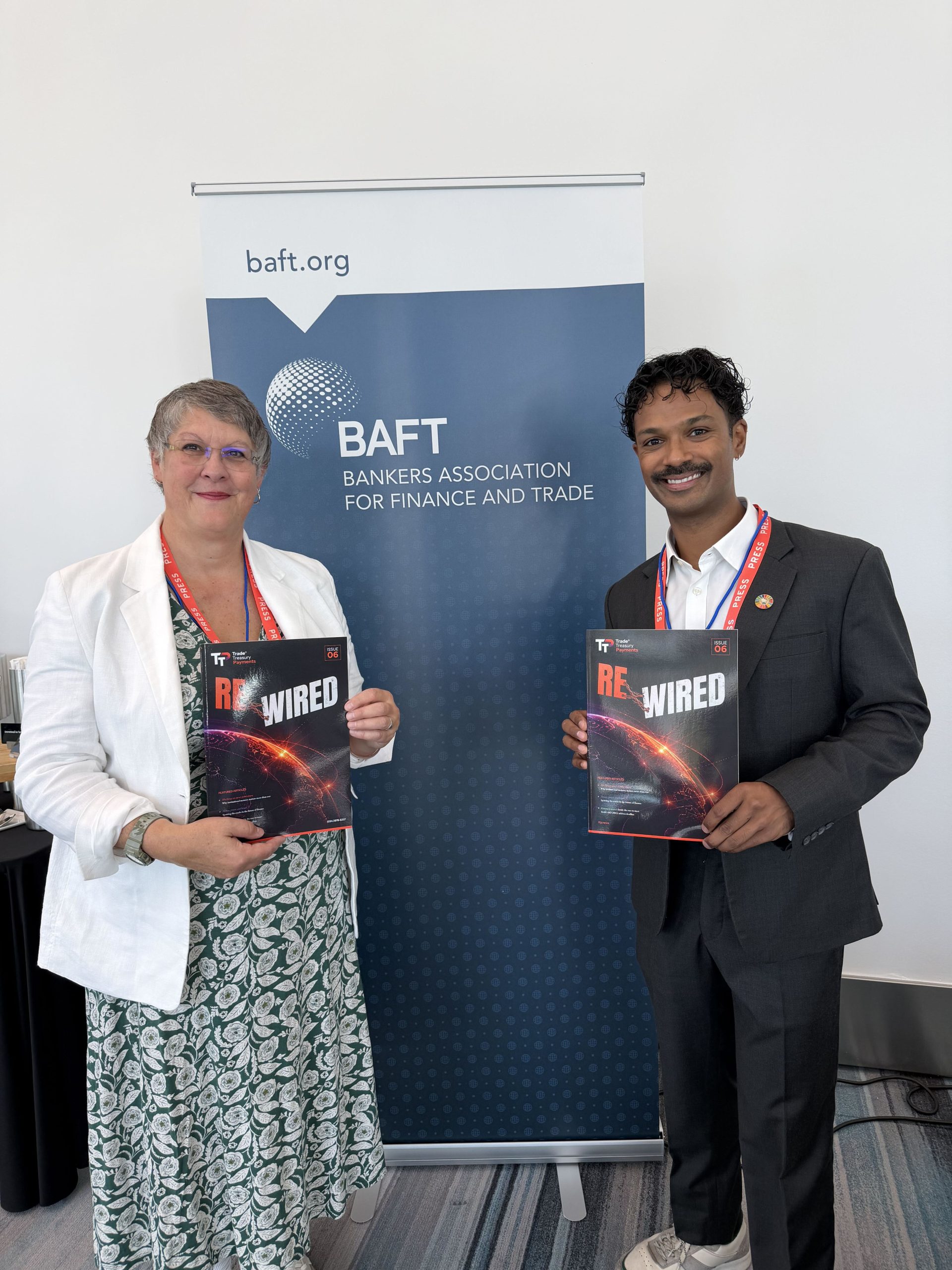
The TTP team have landed in Miami, at the BAFT Global Councils Forum 2026, ahead of Sibos 2026. As proud media partners, TTP will be reporting throughout the week.
If you’re here today, don’t forget to collect your copy of Rewired, hot of the press.
On the ground at Sibos: Deepesh Patel, Joy Macknight, Eleanor Hill, Carter Hoffman, Ben Fitch
Live updates throughout Sibos 2026.
Regions