
HKMA and the banking sector introduce new measures to support SMEs amid market uncertainties

Devanshee Dave
Reporter, Trade Treasury Payments
Published 30 Apr 2026
Live Updates
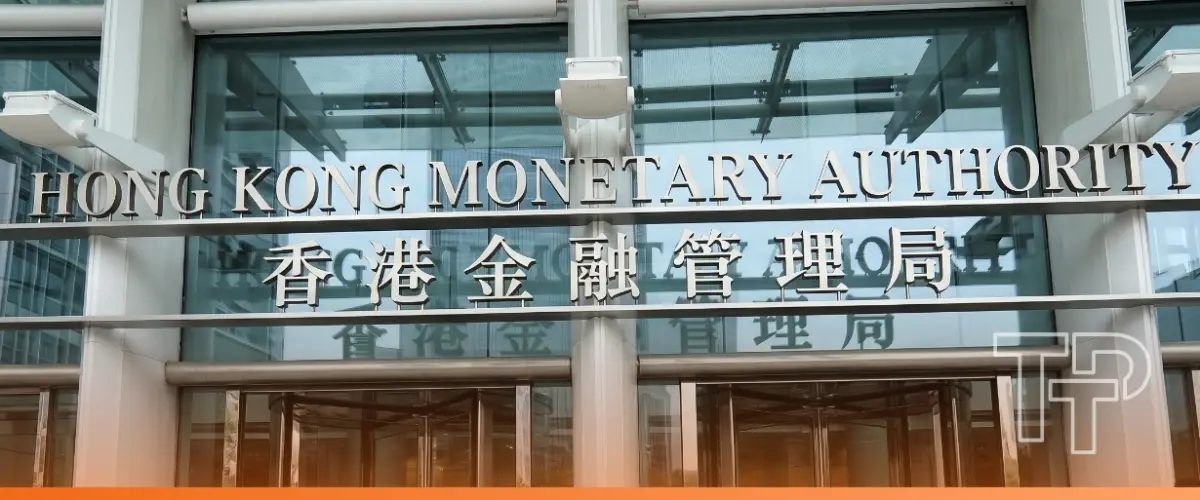
On 29 April 2026, the Hong Kong Monetary Authority (HKMA) partnered with the banking sector to announce new support measures for local small and medium-sized enterprises (SMEs) to help them adapt to the changing market.
These initiatives follow a meeting of the Taskforce on SME Lending (Taskforce) and respond to recent global economic uncertainties exacerbated by tensions in the Middle East and fluctuations in international oil prices.
What is the context?
Geopolitical tensions have resulted in oil price hikes and uncertainty in the global economy. These issues create operational challenges for SMEs, especially in sectors affected by energy costs and supply chain disruptions.
In response, the HKMA and participating banks have introduced measures for enhancing SMEs’ access to financing, strengthening business resilience, and accelerating their upgrade and transformation.
For this, in August 2024, the Hong Kong Monetary Authority (HKMA) and the Hong Kong Association of Banks (HKAB) set up a Taskforce. This Taskforce includes members from the HKMA, HKAB, and 18 banks that lend to small and medium-sized enterprises (SMEs).
The participating banks are Bank of China (Hong Kong), Bank of Communications (Hong Kong), Bank of East Asia, China CITIC International, China Construction Bank (Asia), Citibank, Dah Sing Bank, DBS Bank (Hong Kong), Fubon Bank (Hong Kong), Fusion Bank, Hang Seng Bank, The Hongkong and Shanghai Banking Corporation, Industrial and Commercial Bank of China (Asia), OCBC Bank (Hong Kong), Nanyang Commercial Bank, Ping An Digital Bank, Shanghai Commercial Bank, and Standard Chartered Bank (Hong Kong).
The Taskforce’s goals are to help SMEs with their financing challenges, find solutions that work across different banks, and improve communication to understand and support the growth and changes of SMEs.
HKMA has issued the five measures.
1. Expansion of dedicated SME loan funds
The 18 banks participating in the Taskforce have increased the dedicated funds allocated for SME lending from HK$370 billion in October 2024 to over HK$450 billion currently.
2. Credit relief for affected sectors
Banks would provide tailored credit relief, acknowledging the impact of rising oil prices on operating costs, especially for SMEs in transport and logistics, manufacturing, and import-export sectors.
Some key measures are flexible repayment arrangements, loan tenor extensions, and expanded trade facility options. They would lessen cash flow pressures while mitigating risk.
3. Streamlined SME Financing Guarantee Scheme (SFGS) approvals
All participating banks and the Hong Kong Mortgage Corporation Insurance Limited (HKMCI) will complete SFGS application approvals within 30 business days under normal circumstances.
This ensures that SMEs receive timely updates to help them manage their finances effectively.
4. Flexible repayment loans for transformation
Due to the capital-intensive nature of business transformation, banks would offer loans with flexible repayment plans.
These may allow for partial principal repayments in the early stages or adjustable schedules based on the specific needs of SMEs, supporting digital and green transformation efforts.
5. Leveraging fintech and data for faster financing
Banks will leverage fintech and data analytics to streamline loan approvals, offering quicker and more tailored credit solutions.
Major banks involved in trade finance will join the HKMA’s Cargox Pilot Programme, which uses cargo and trade data through the Commercial Data Interchange. This improves credit risk assessments and speeds up trade finance approvals, especially for importers and exporters.
Since 2024, the HKMA and banking sector have implemented three rounds of support measures for SMEs, benefiting over 89,000 businesses with total credit limits of over HK$209 billion. The Taskforce will keep monitoring market conditions and work with the commercial sector to adjust support to meet changing SME needs.