
Ministers and senior officials from more than 60 countries have endorsed a coordinated policy agenda aimed at strengthening small business competitiveness through targeted action on finance, digitalisation, and sustainability. The endorsement comes at the close of the inaugural Global SME Ministerial Meeting, co-hosted by South Africa’s Department of Small Business Development and the International Trade Centre (ITC).
At the centre of the discussions was a joint call to action structured around three core pillars: expanding access to finance, accelerating digital transformation, and enabling the green transition. The document, described by organisers as the first of its kind, outlines commitments to translate these priorities into implementable policy.
On finance, governments agreed to work with financial institutions and regulators to diversify funding options, enhance financial literacy among entrepreneurs, and build more inclusive regulatory environments. The digitalisation track focuses on expanding access to infrastructure, developing digital skills, and ensuring policy environments keep pace with innovation.
The green transition pillar aims to increase SME access to affordable green finance and support capacity-building in climate-smart technologies, including through partnerships with business support organisations.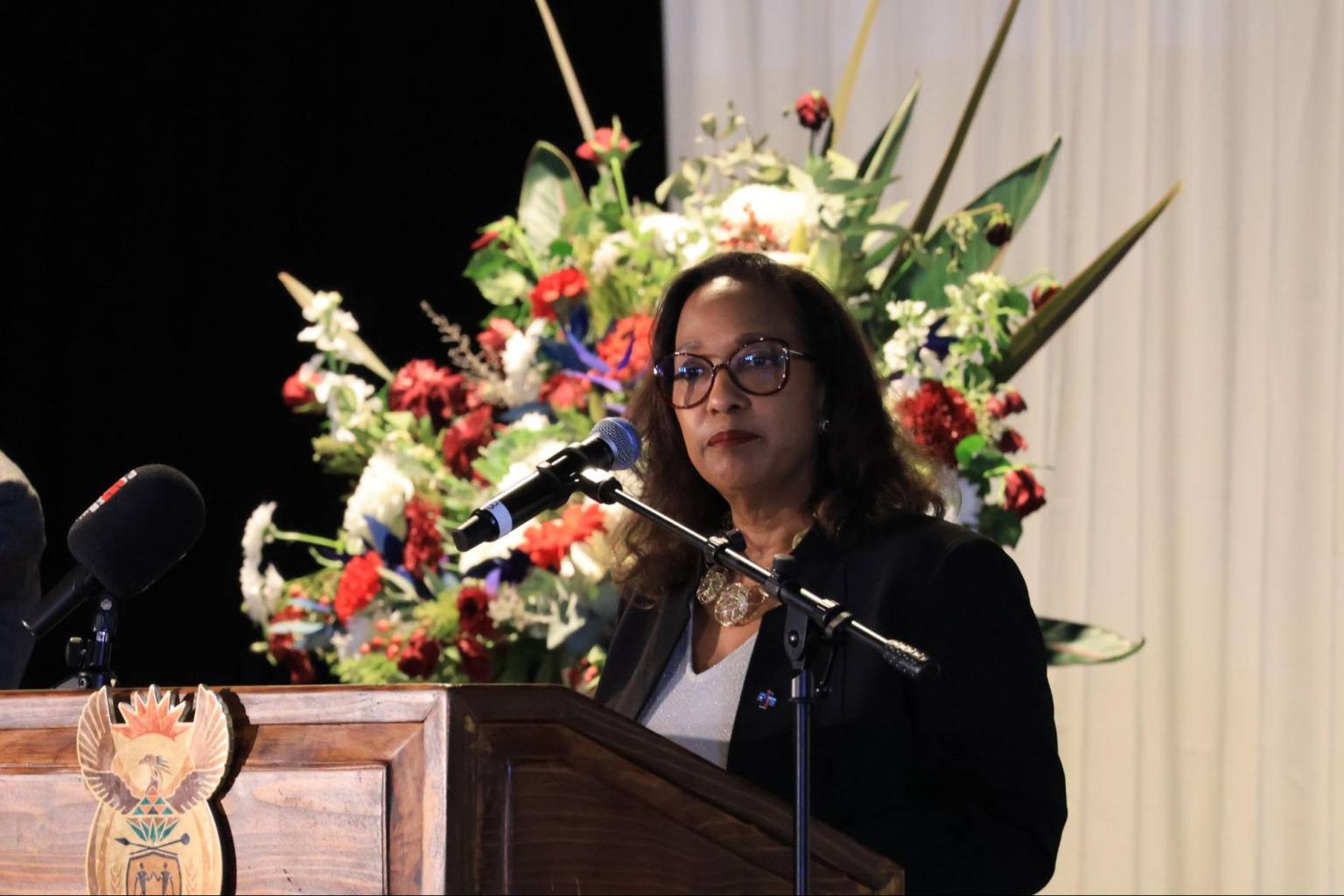
ITC Executive Director Pamela Coke-Hamilton, notes that implementation efforts will be guided by timelines, outcome metrics, and designated resources. “This is not a one-off,” she said during the closing session. “We’re looking to build a longer-term advocacy platform and ensure these outcomes are actionable.”
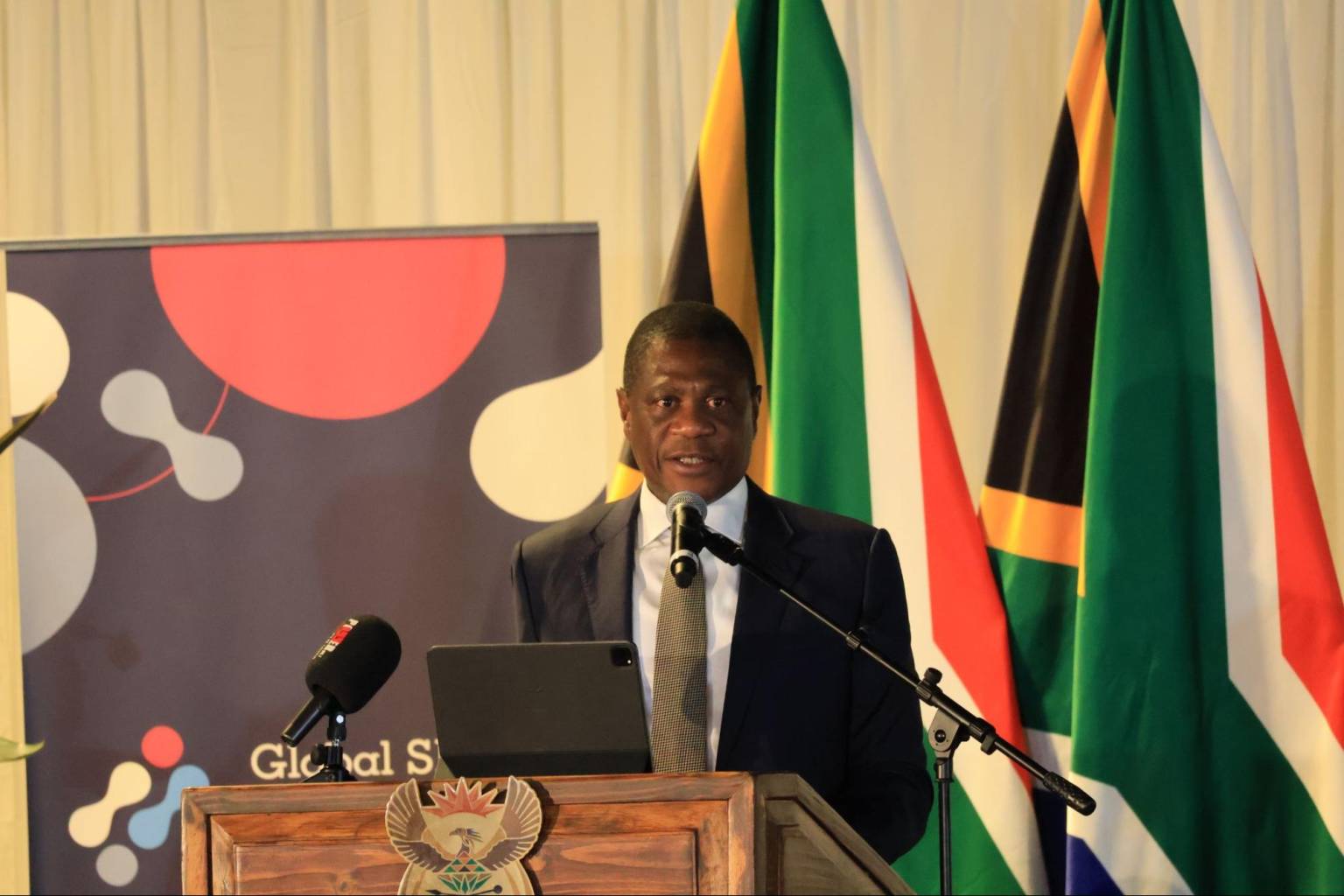
South African Deputy President Paul Mashatile delivered the closing remarks at the Ministerial, saying “We must prioritise SMEs to create employment and raise incomes, particularly for youth, women, and underserved communities.”
As current chair of the G20, South Africa intends to carry forward the SME agenda into other multilateral forums, including UNCTAD 16 (Switzerland), COP30 (Brazil), and the WTO’s 14th Ministerial Conference (Cameroon).
The Ministerial was preceded by a Trade Promotion Organizations Leadership Dialogue, where trade promotion agencies discussed strategies for embedding SME interests more systematically into national trade agendas.
More than 700 participants attended the week’s events, representing a broad mix of government agencies, international institutions, business leaders, and SME stakeholders. Delegates travelled from countries spanning all regions, from Bangladesh and Brazil to Switzerland and the United Arab Emirates.
The full call to action, as well as the accompanying technical papers, is available on the Global SME Ministerial Meeting’s official website. Implementation discussions are expected to continue through the remainder of 2025.