Indonesia is Southeast Asia’s largest economy, with a 35% contribution to the region’s real GDP in 2025. In the first quarter of 2026, the country’s GDP grew by 5.6% on a YOY basis. Its 2026 real GDP growth is expected to be 4.7%, with a 5% projection for 2027.
The country’s trade portfolio is diverse, spanning commodities such as palm oil, coal, and electronics, as well as a growing digital services sector. Indonesia’s strategic position along major maritime routes further enhances its role as a regional trade hub. Trade modernisation is a central government priority, focusing on enhancing competitiveness, diversifying export markets, and deepening integration within ASEAN and global value chains.
As per World Trade Organization data, in 2025, Indonesia’s merchandise trade volume reached approximately $525 billion, with exports accounting for nearly $283 billion. The government aims to improve supply chain resilience, expand digital trade infrastructure, and increase access to trade finance, particularly for small and medium-sized enterprises (SMEs).
However, Indonesia’s trade outlook faces challenges amid rising geopolitical tensions and energy price volatility. The 2026 conflict in the Middle East triggered a surge in oil prices by over 60%, sharply increasing import costs for energy-dependent economies like Indonesia. Financial volatility and currency fluctuations have added pressure on inflation and external balances. Developing countries, including Indonesia, have implemented measures to manage these shocks, but vulnerabilities remain, especially in the face of global financial instability.
Despite these headwinds, Indonesia’s trade momentum remains positive, supported by strong manufacturing growth and digital economy expansion.
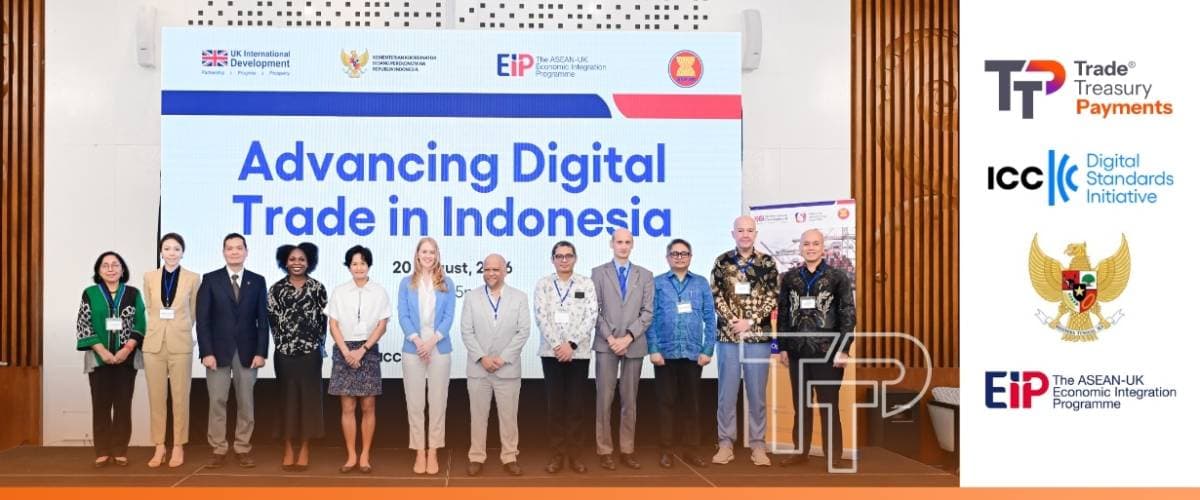
Under the ASEAN-UK Economic Integration Programme (EIP) Open Trade Pillar, funded by the UK Foreign, Commonwealth and Development Office (FCDO), ICC Digital Standards Initiative delivered two separate Advancing Digital Trade in Indonesia capacity-building activities in Jakarta on 19 and 20 August 2026 to support the country’s digital trade reform agenda in collaboration with the Coordinating Ministry for Economic Affairs.
A focus on legal and regulatory foundations and public-private collaboration
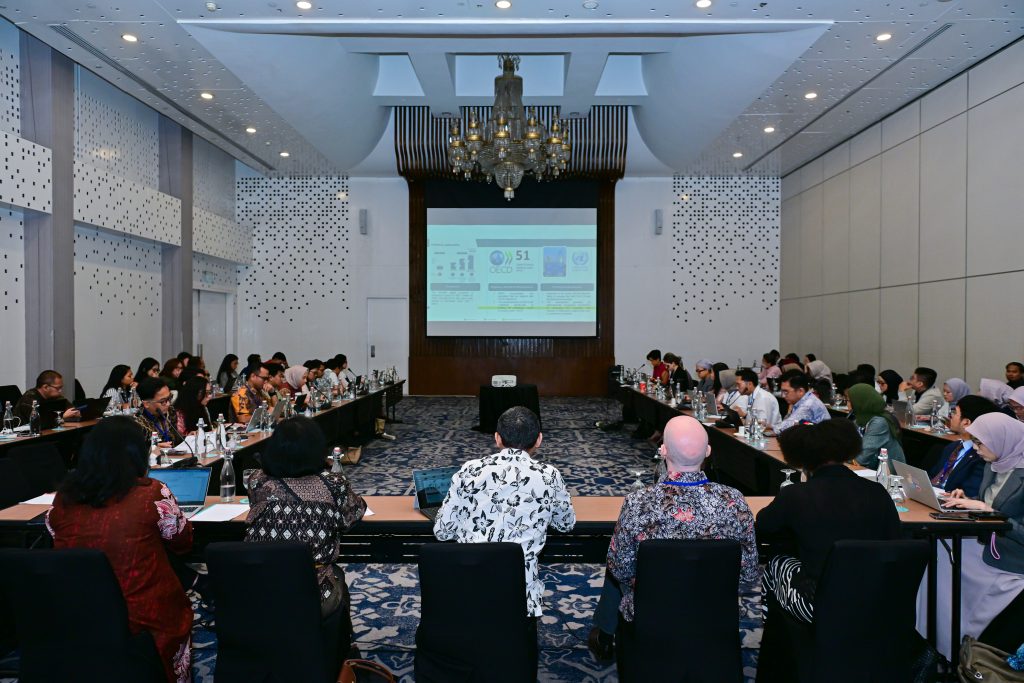

On 19 August, a government workshop brought together approximately 70 representatives from key ministries and regulatory bodies, including the Coordinating Ministry for Economic Affairs, Ministry of Trade, Ministry of Communications and Digital Affairs, Otoritas Jasa Keuangan (OJK), Bank Indonesia, and the Directorate General of Customs and Excise, among others, to discuss legal and regulatory foundations for digital trade.
The discussions focused on the implementation of the UNCITRAL Model Law on Electronic Transferable Records (MLETR), which provides a legal framework for recognising electronic trade documents such as electronic bills of lading, warehouse receipts, and promissory notes. Participants discussed that Indonesia has foundational electronic commerce laws, but there are important legal gaps that need reform to fully recognise electronic transferable records.
The government forum highlighted the need to ensure these reforms align with Indonesia’s commitments under the ASEAN Digital Economy Framework Agreement (DEFA). DEFA is a regional initiative to harmonise digital trade policies and regulations among ASEAN member states. It seeks to promote seamless cross-border digital transactions, enhance data protection, and foster interoperability to support a robust and inclusive digital economy across Southeast Asia.
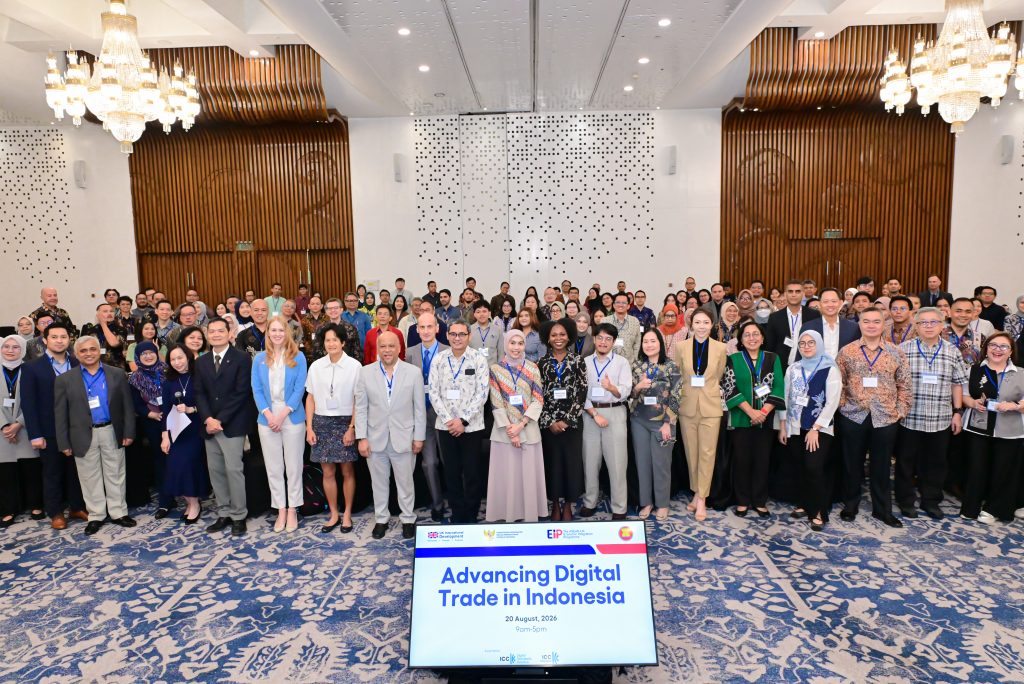
On 20 August, a private sector forum convened about 180 participants from financial institutions, technology providers, industry associations, and development partners to explore the key principles and practices of digital trade and examine opportunities for digitalisation across Indonesia’s trade, supply chain, and financial ecosystems.
The forum opened with discussions on the strategic importance of digital trade for Indonesia’s economic development and regional competitiveness. Indonesia’s position as Southeast Asia’s largest digital economy and the opportunities presented by DEFA to transform the country into a trusted digital trading nation were highlights.
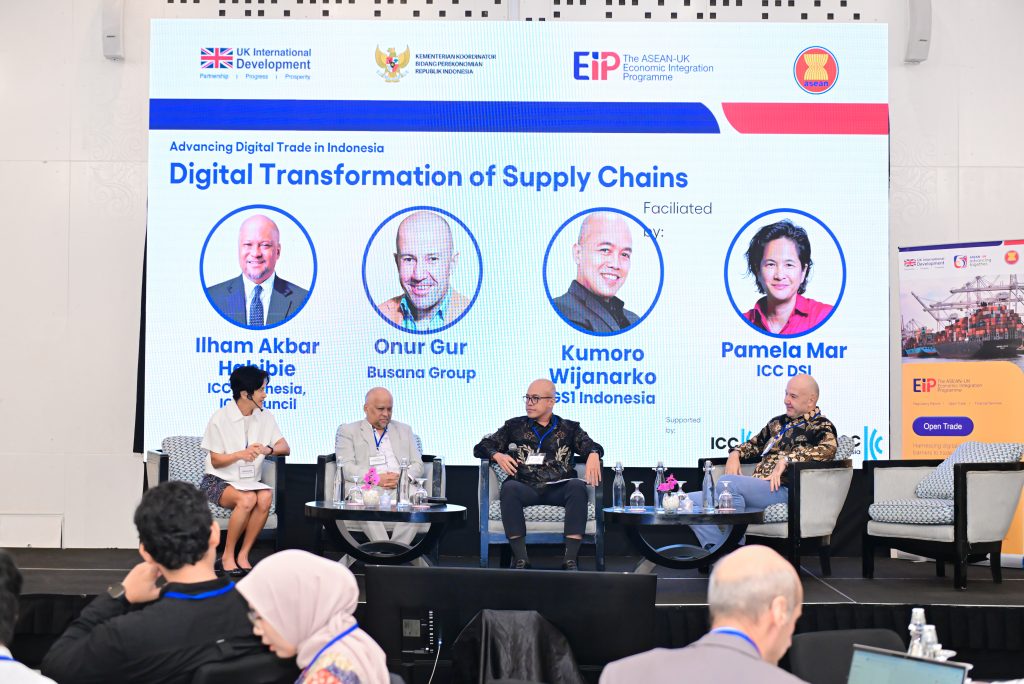
Panels and roundtables discussed the challenges and opportunities of digitalising supply chains and trade finance. The panel on “Digitalisation of Finance: Principles, Practices, and Challenges” included participants from OJK (Indonesian Financial Services Authority (Otoritas Jasa Keuangan), HSBC Indonesia, Finastra, and the ICC Digital Standards Initiative.
The panel examined the state of digitalisation in trade finance and financial services in Indonesia, highlighting how technology improves efficiency, speeds up transactions, reduces paper reliance, and broadens access to finance. Financial institutions are increasingly adopting digital solutions to modernise processes like trade finance, payments, onboarding, and compliance, though adoption barriers remain.
A key focus was addressing the trade finance gap for small and medium-sized enterprises (SMEs), with digital processes and improved data helping banks serve smaller businesses more effectively.
The discussion also covered the role of policy, digital infrastructure, and emerging technologies such as artificial intelligence in fostering innovation and building inclusive financial ecosystems for both large corporations and SMEs.
Participants talked about how eliminating documentation burdens, as well as using trusted digital data, can uplift businesses and provide them access to trade finance.
Conclusion: A coordinated roadmap for digital trade
The programme concluded with agreement on key priorities including completing a legal gap analysis, creating a national roadmap that combines legal, technical, and operational elements, and initiating pilot projects in chosen economic zones to test digital trade solutions.
Establishing governance structures and encouraging collaboration between government and private sector stakeholders can help in maintaining progress.
Stakeholder engagement and governance structures were identified as essential to maintaining momentum and ensuring reforms remain practical and responsive to market needs.
Trade Treasury Payments was the official media partner for the event.