

Procurement and supply chain leaders warn of surging shipping, energy, and input costs, says the latest CIPS survey

Devanshee Dave
Reporter, Trade Treasury Payments
Published 27 Apr 2026
Live Updates
Global supply chains are entering a period of sustained and systemic disruption, with procurement and supply chain professionals reporting record-high levels of short and long-term anxiety. Geopolitical conflict and escalating trade instability are driving sharp cost increases across logistics, energy, and critical inputs.
Short-term concerns about potential shortages and disruptions increased significantly to 5.69, up from 4.59 in Q4 2025, exceeding previous highs during the US tariff uncertainty in mid-2025. Medium-term concerns also rose to a record 5.64, compared to 5.03 in Q2 2025, according to the latest CIPS Pulse Survey for Q1 2026.
The survey says that the disruption is now perceived as both immediate and enduring.
It can be seen as a transition from episodic shocks to a deeply entrenched environment of instability, where multiple risk factors compound simultaneously, eroding confidence across planning horizons.
Geopolitical instability overtakes trade tensions as the primary risk
Procurement and supply chain professionals overwhelmingly identify geopolitical instability as the dominant driver of disruption.
89% of them blame the conflict in the Middle East, while 67% mention the wider geopolitical landscape as the main reason. 28% of respondents also reference the war in Ukraine as a reason.
For the first time in over a year, US protectionism and US–China trade tensions have fallen out of the top three risks, overtaken by more immediate and operationally disruptive geopolitical threats.
Ben Farrell MBE, Global CEO of CIPS, said, “Procurement and supply chain professionals are navigating relentless disruption. This data shows we are no longer facing isolated shocks but a fundamental reshaping of global trade. Highly efficient yet fragile supply webs concentrated in geographic choke points are being exposed and exploited.”
He added, “The response is a shift toward diversification, deeper network visibility, and prioritising resilience over pure cost efficiency. Organisations that understand their entire supply webs and invest in flexibility will be best positioned to withstand upcoming challenges.”
Inflationary pressures from surging costs
Respondents expect significant price increases of 10%+ across key categories in the coming quarter.
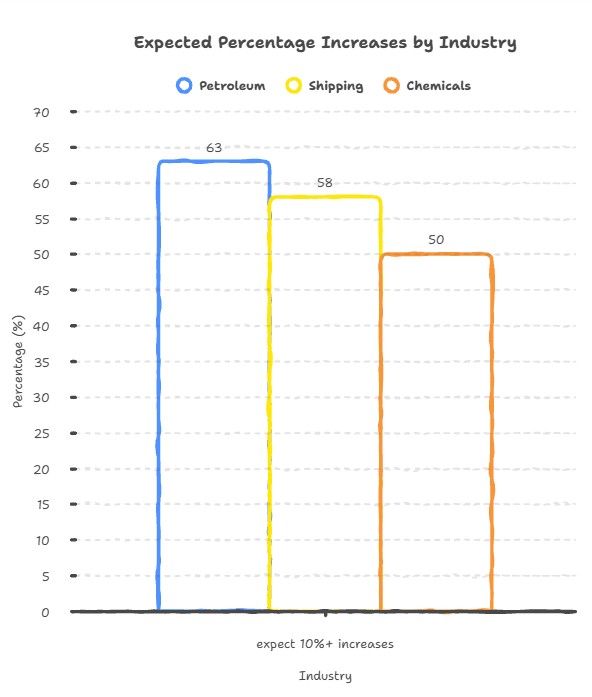
Additional inflationary pressures are expected in these industries.
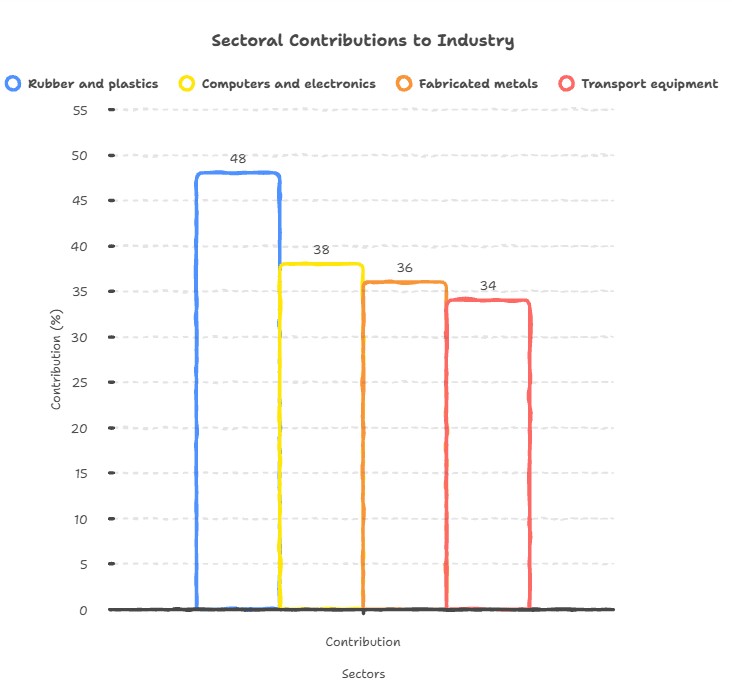
These cost increases reflect tightening global supply conditions and are expected to feed directly into higher consumer prices throughout 2026.
Rising costs would impact goods ranging from food and electrical products to everyday household staples, intensifying cost-of-living pressures as businesses pass on higher input and logistics expenses.
Shifts in sourcing strategies to protect continuity
In response to mounting risks, organisations are rapidly adjusting sourcing strategies to safeguard supply continuity. In this, diversifying suppliers score 5.50 out of 6. Extending contracts score 5.15 and increasing inventory buffers score 5.06.
These high scores show a decisive shift away from cost efficiency toward resilience in an increasingly volatile global trade environment.
Dr John Glen, Global Economist at CIPS, said, “The simultaneous rise in shipping, energy, and input costs forces businesses to price in uncertainty, impacting food, electrical goods, and household staples. This indirect cost-of-living impact, combined with direct increases in motoring and heating costs, reduces discretionary spending. The spectre of 1970s-style stagflation, recession, and inflation is becoming a reality.”
“Businesses will likely cut investment and build cash reserves, creating a perfect storm of reduced spending amid rising inflation. Resolving the Middle East conflict is urgent, and reflating the global economy will require coordinated action by major economies and governments,” he added.
The CIPS survey was conducted between 23 March and 9 April 2026 among senior procurement and supply chain professionals globally.