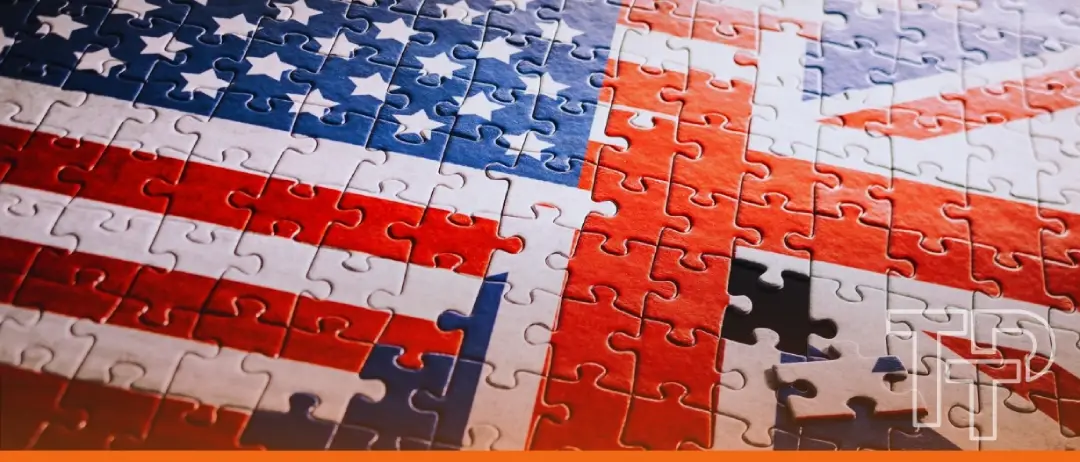

When UK Prime Minister Keir Starmer visited US President Donald Trump at the White House on Thursday, the pair discussed deepening economic ties between their two countries.
This latest round of discussions has sparked renewed optimism that the UK may be able to avoid being the latest victim in Trump’s tariff barrage. In a press conference following the two leaders’ meeting, Trump said: “I think we could end up with a real trade deal … where the tariffs wouldn’t be necessary.”
Prime Minister Starmer, in turn, emphasised the “fair, balanced, and reciprocal” nature of the UK-US trading relationship and reaffirmed his country’s commitment to maintaining open economic engagement with Washington.
The details, however, remain scarce.
British officials are particularly keen to secure exemptions from Trump’s proposed tariff hikes, which have been levied against other major economies, including the European Union and China.
A narrower economic framework
Unlike the once-ambitious post-Brexit blueprint for a comprehensive free trade agreement, current discussions are more targeted. UK negotiators are prioritising the technology and financial sectors with hopes to increase collaboration in artificial intelligence, cybersecurity, and fintech. London may be positioning itself as a global hub for US tech giants.
A key sticking point, however, remains the UK’s digital services tax, which imposes a 2% levy on revenues from large multinational tech firms operating in Britain. The White House has signalled opposition to this policy, calling for its reduction or removal as a condition for deeper trade cooperation.
UK Chancellor Rachel Reeves, who has previously advocated increasing the tax, faces the must find a way to balance domestic revenue needs with the demands of American counterparts.
Despite the positive rhetoric, trade experts caution that verbal commitments made in the Oval Office do not always translate into concrete policy.
The UK also faces potential backlash at home that will make negotiators wary of placing politically sensitive sectors, such as agriculture and pharmaceuticals, on the negotiating table. British farmers are concerned over the potential for increased competition from US agricultural imports, while public scrutiny remains high over any policy shifts that could impact NHS drug pricing.
Tensions also exist on the periphery of the bilateral discussions. The UK, geographically closer to its former European trading bloc, risks hampering the relations that Starmer’s administration has been working to repair in Brussels, by turning more towards America. Trump has threatened to levy a 25% tariff on imports from the EU.
Analysts have described the UK’s strategy as an attempt to occupy a neutral middle ground amid escalating trade disputes. A strategy liable to stoke ire from both directions.
Businesses looking on
While the likelihood of a sweeping free trade agreement remains low, the prospect of targeted sectoral agreements – particularly in technology and finance – could help progress the negotiations and keep the worst of Trump’s tariffs away from British firms.
For now, businesses on both sides of the Atlantic will be closely monitoring the next steps, as trade officials work to transform diplomatic overtures into tangible economic outcomes.