BNP Paribas and HSBC complete first live corporate treasury payment for Siemens using Swift’s ledger
Live Updates
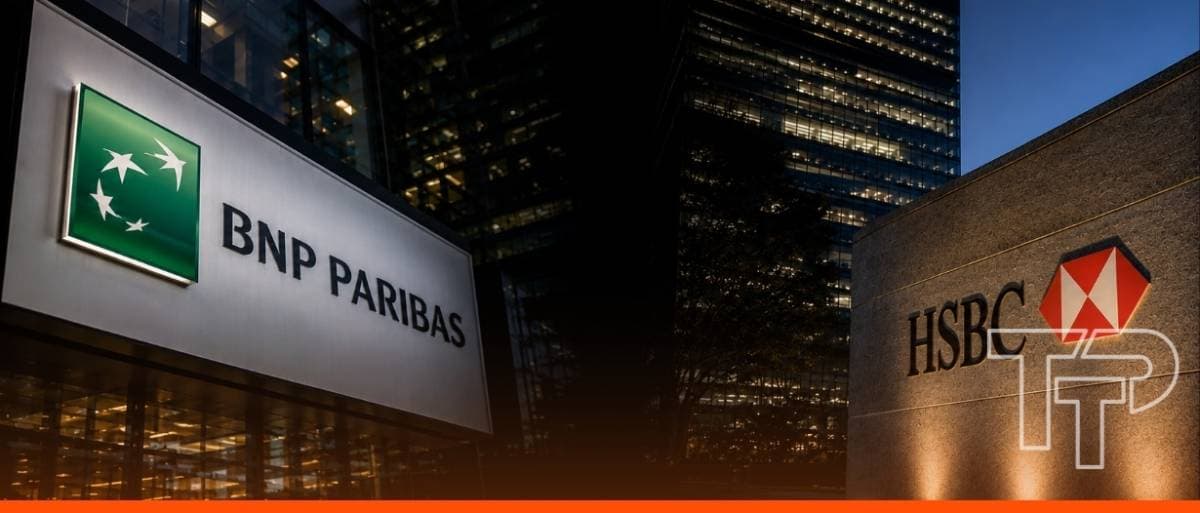
BNP Paribas and HSBC have successfully completed the first live corporate treasury payment for Siemens using Swift’s ledger technology. The transaction involved moving funds from Siemens’ euro account at BNP Paribas in France to its sterling account at HSBC in the United Kingdom.
Pierre Fersztand, Global Head of Cash Management, Payments, Trade Solutions and Factoring, BNP Paribas, said, “This is a significant milestone in the evolution of cross-border payments. This achievement reflects BNP Paribas’ ongoing collaboration with Swift to shape the next phases of the ledger’s development. By supporting this initiative, we reaffirm our commitment to industrialising digital finance at scale.
Lewis Sun, Global Head of Digital Currencies at HSBC, said, “Collaborating with BNP Paribas and Swift on this first live corporate treasury tokenised deposit payment for Siemens is a major step forward for real-world, cross-bank digital settlement.”
“HSBC is focused on demonstrating how tokenised deposits can deliver Classification: Confidential secure, real-time, 24/7 payments while remaining anchored in our trusted banking infrastructure.”
“Building on the launch of HSBC’s Tokenised Deposit Service in 2025, we’re helping clients access always-on liquidity across our network. Our TDS is now live in six markets and supports multiple currencies to help meet accelerating demand for blockchain-based solutions that address evolving treasury needs.”
Seamless integration with existing banking channels
The payment was initiated by Siemens through its existing banking channels without requiring new accounts, wallets, or changes to operating procedures.
Funds were credited to the receiving account while banks continued their settlement processes. Swift’s ledger managed the interbank commitments but did not settle the transaction itself.
Raphael Marek, Head of France and Benelux at Swift, quoted, “We’ve worked at pace to develop a shared blockchain-based ledger that is designed for interoperability from the start, enabling tokenised deposits to scale across the secure, resilient and trusted financial ecosystem.”
“We’re delighted that our community are now able to extend these benefits to their corporate customers, to give them greater flexibility in their business. Enabling 24/7 payments was just the first use case for the ledger, and we’re excited to be working with the community to ensure the ledger meets their needs and can be a foundation for future innovation.”
Pilot objectives and execution
Siemens has collaborated with BNP Paribas for several years on cash concentration, API connectivity, virtual accounts, and instant payments. This pilot tested whether a shared ledger could extend reach across banking systems while preserving the commercial bank money and instruction methods corporates already use.
HSBC supported the live transaction, building on its global engagement with Siemens to drive innovation and meet evolving market needs.
The process was straightforward. Siemens initiated the payment from its euro account. The two banks validated the instruction along with foreign-exchange and funding arrangements, and the transaction was routed through Swift’s ledger.
The ledger confirmed interbank obligations and enabled funds availability, while banks managed any timing differences until final settlement occurred via existing rails.
Focused on Siemens’ practical requirements
The exercise focused on three practical requirements set by Siemens for any new infrastructure, including settlement finality, reach across different banking groups, and delivery through existing relationships and standards. Swift’s ledger was assessed as a complementary layer rather than a replacement for current systems.
Combined with instant payments, APIs, and automated liquidity tools, the ledger offers a pathway to more continuous movement of funds without altering the corporate operating model.
This collaboration is a significant advancement in cross-border corporate treasury payments, leveraging blockchain-based ledger technology to enhance speed, security, and interoperability within existing banking frameworks.